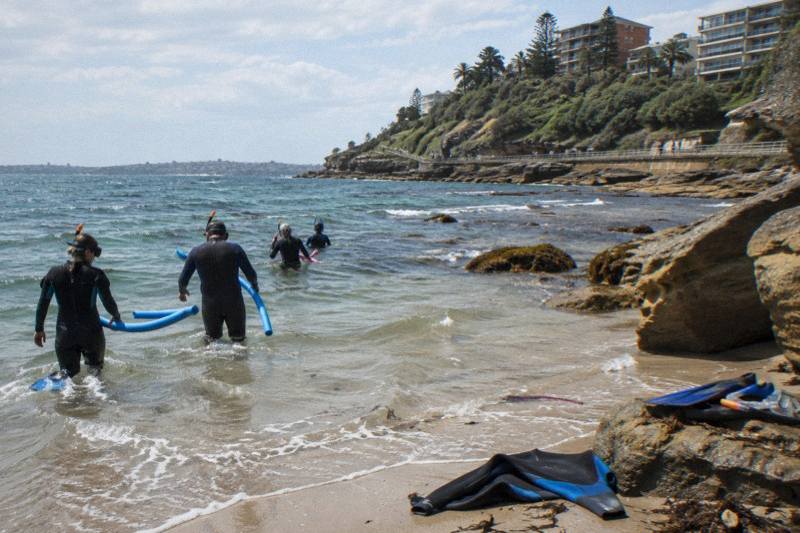
How Is Snorkel Tour Visibility At Manly After Rain And Swell?
What rain and swell do to snorkel visibility at Manly, what the dive operators say, and what to ask before you book.
Short answer
Rain and swell can both reduce visibility at Manly, and no tide, swell or rainfall figure is verified. Visibility varies with swell and rain, so ask the operator on the day. Dive Centre Manly moves between Shelly Beach, Fairy Bower and Fairlight depending on conditions, and EcoTreasures assesses conditions before each tour. Free cancellation up to 24 hours before start is offered on seven of the booking pages.
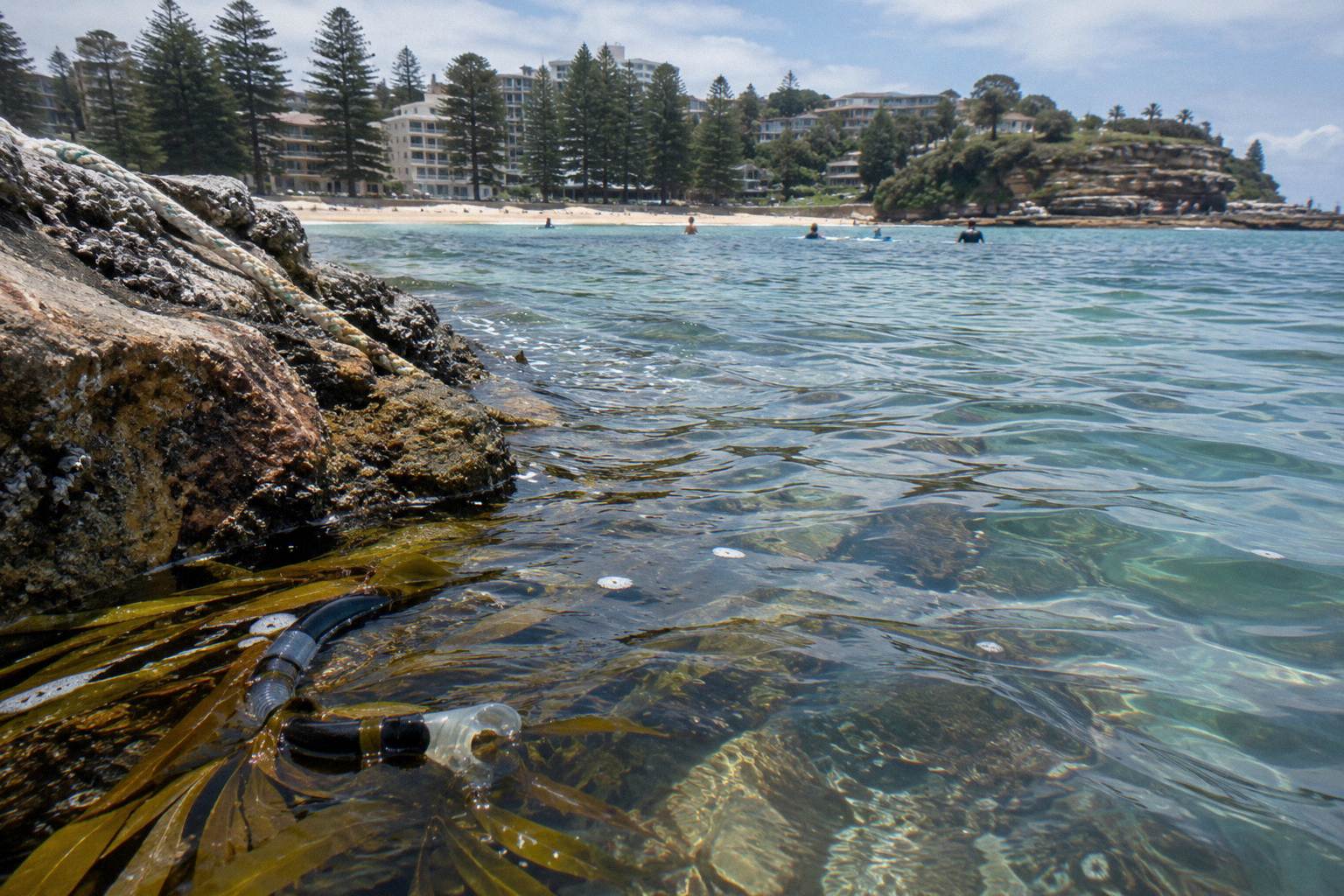
Picking a date for a snorkel tour at Manly usually comes down to one worry: will the water be clear? The answer is that visibility moves around, rain and swell affect it differently, and the operators have built their own ways of dealing with that. The Shelly Beach open-group and one-on-one snorkel is one guided option whose booking terms give you room to move when the forecast is shaky, and what follows sets out what is known about clarity, weather and what to ask.
Quick Facts
| Fact | Detail |
|---|---|
| Typical visibility | Varies with swell and rain, so ask the operator on the day |
| Site flexibility | Dive Centre Manly uses Shelly Beach, Fairy Bower or Fairlight depending on conditions |
| Pre-tour assessment | EcoTreasures assesses conditions before each tour |
| Swell at Shelly Beach | Beachsafe says swell is refracted round Blue Fish Point so waves are low |
| Beachsafe hazards at Shelly | Sharks, bluebottles and rips listed among the hazards |
| Bluebottles | Common in warmer months, no month range is verified |
| Patrol window | Shelly Beach patrolled 21 December to 31 January 2027; Manly Beach patrolled year-round |
| Cancellation | Free cancellation up to 24 hours before start stated on seven booking pages; the Private Bondi And Gordons Bay trip is non-refundable |
Rain and swell can both reduce visibility at Manly, so tours may be disappointing shortly after storms or big surf. However, no verified rainfall, runoff, swell or tide figure exists for the bay, so treat any specific number you see elsewhere with caution and ask your tour operator about conditions on the day before booking. Visibility genuinely varies with swell and rain. Swell matters because stirring the water column and shifting sand both cloud the water, and rain matters because runoff carries fine sediment into the bay after the rain has passed. The operators respond by assessing conditions before each tour, with EcoTreasures stating plainly that conditions are assessed before every departure, and Dive Centre Manly keeping three sites, Shelly Beach, Fairy Bower and Fairlight, so it can move depending on what the ocean is doing on the morning itself.
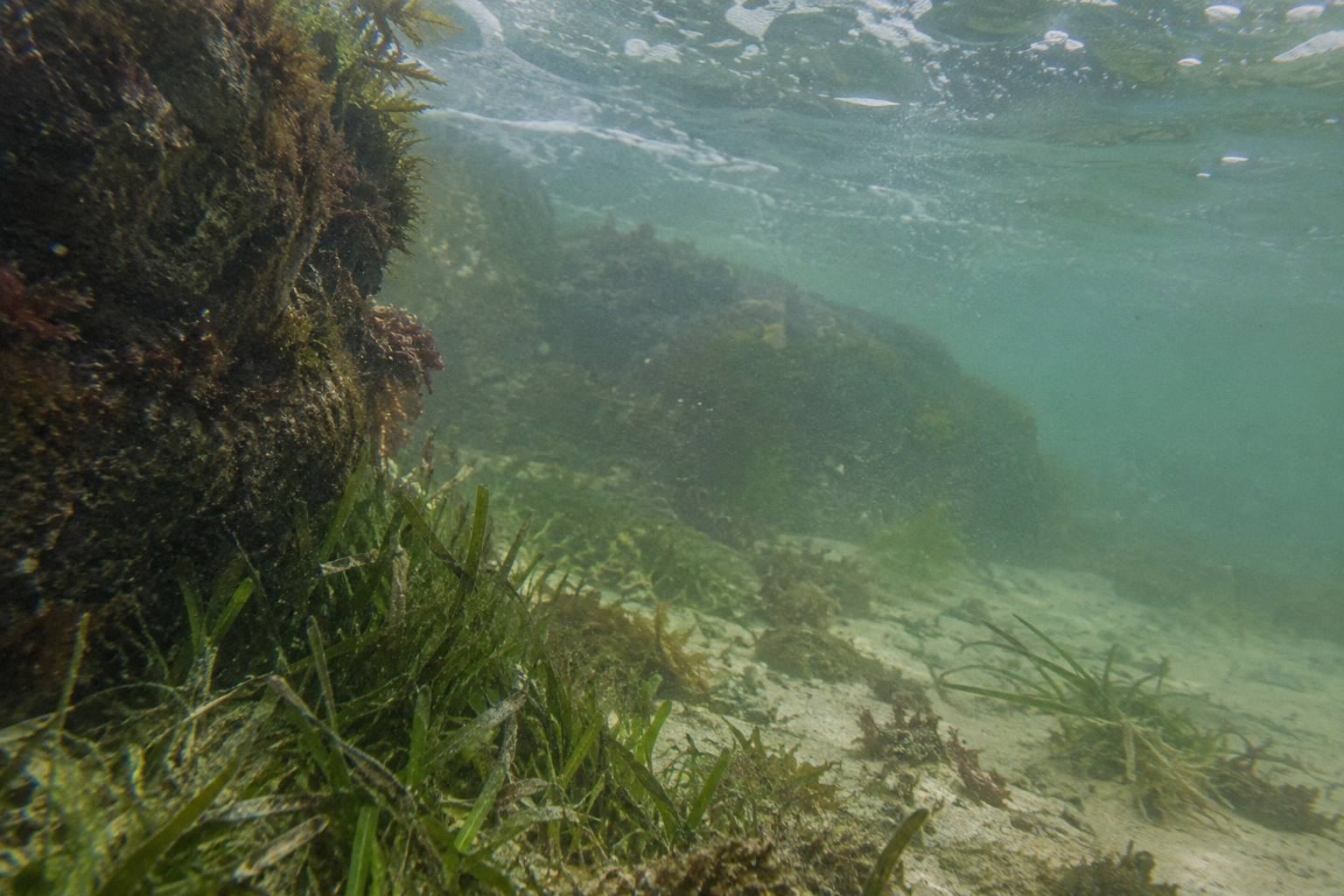
The two causes work differently. Swell affects the bay through wave energy: Beachsafe notes that Shelly Beach faces west and swell is refracted round Blue Fish Point so waves are low, which softens the effect compared with ocean-facing beaches, but a sustained swell can still lift sediment off the sand and reduce clarity for days. Rain affects it through the water that arrives after the rain: stormwater and creek runoff carry fine particles, and the effect depends on how much fell and where.
That is the shape of the answer: visibility at Manly is usually good enough for a guided tour to run, it genuinely varies, and the operator makes the call on the morning. What you can control is which tour you book, how flexible your dates are, and what you ask before you go.
The trio below covers the three Manly guided options most relevant when conditions are uncertain: the short open-group trip at Shelly Beach, the Small Group Manly Snorkel Tour With Nature Walk, and the Guided Snorkel With A PADI Guide.
Why Does Rain Reduce Visibility In A Bay Like Cabbage Tree Bay?
Rain reduces visibility in a bay like Cabbage Tree Bay mainly through runoff rather than through raindrops landing on the sea, because water draining from the surrounding shore carries cloudiness into the bay, and the resulting murk can persist for a day or more after the sky has cleared. Fine sediment, soil and organic matter washed off the catchment arrive after the rain has stopped, and they stay in suspension for a while before settling out. No runoff or rainfall figure is verified for Cabbage Tree Bay, so the planning move is to work with the pattern rather than with a number: a heavy fall on the catchment is the event that matters, and a light shower that barely wets the streets often changes nothing underwater.
The effect is not uniform. Areas near stormwater outlets and the mouths of creeks cloud first, and water further along the shoreline can stay clearer. Inside Cabbage Tree Bay, the aquatic reserve that covers the bay from the southern end of Manly Beach to the northern end of the Shelly Beach Headland, the mix of reef, sand and seagrass means conditions can differ even a short distance apart. A guide who works the bay regularly reads that on the morning.
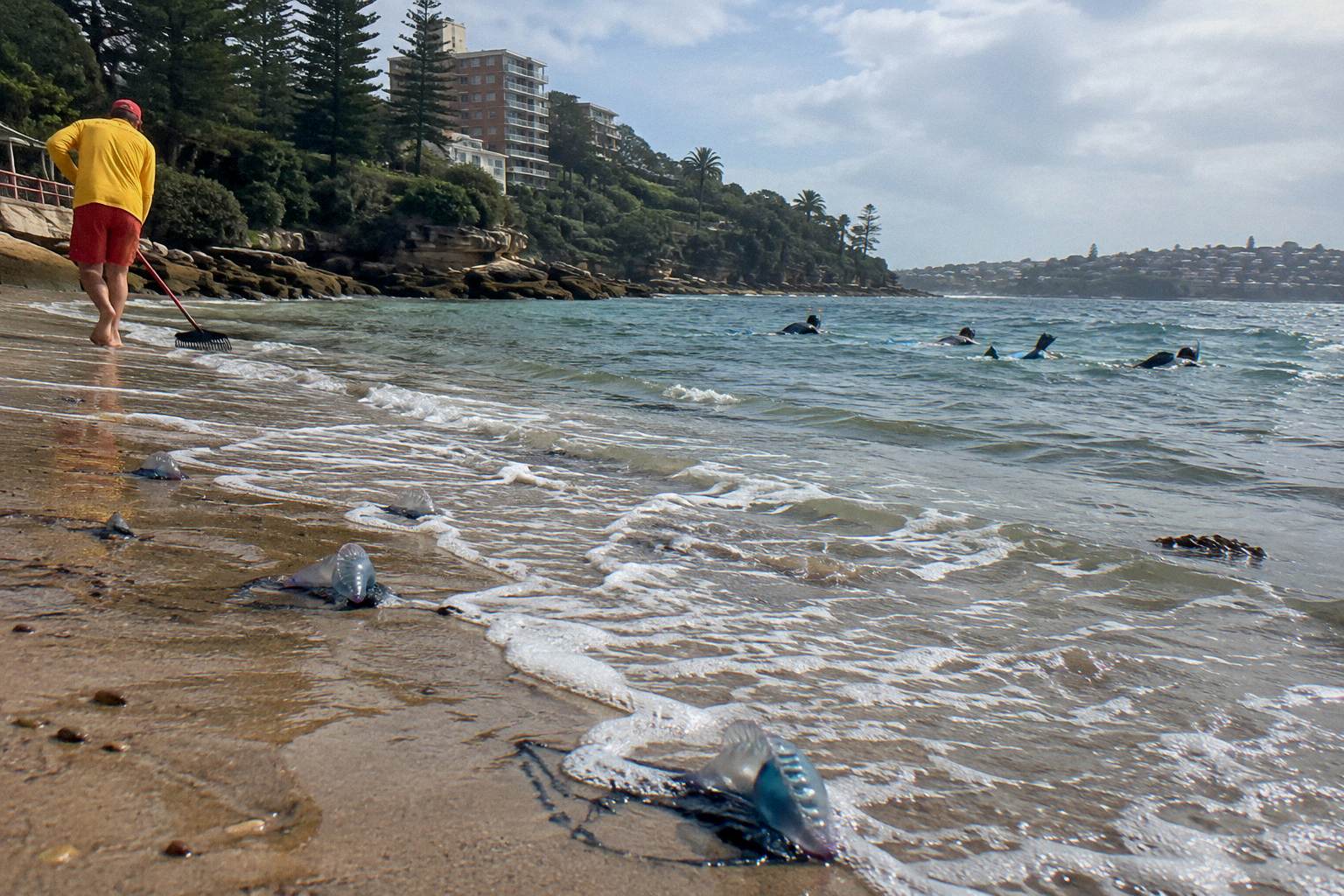
Rain brings a second consideration: bluebottles. Beachsafe describes bluebottles as common in warmer months, and they arrive onshore with onshore winds rather than with rain itself. The Beachsafe first-aid wording is to rinse with seawater, remove tentacles, and use hot water for 20 minutes. A guided tour keeps a guide beside you if one appears, which is part of why conditions get assessed before each departure rather than decided in advance.
If a rainy spell has you second-guessing a fixed date, the open-group trip at Shelly Beach is the easiest to slide: it runs about an hour, and its booking page carries free cancellation up to 24 hours before start.
How Does Swell Change The Water At Shelly Beach?
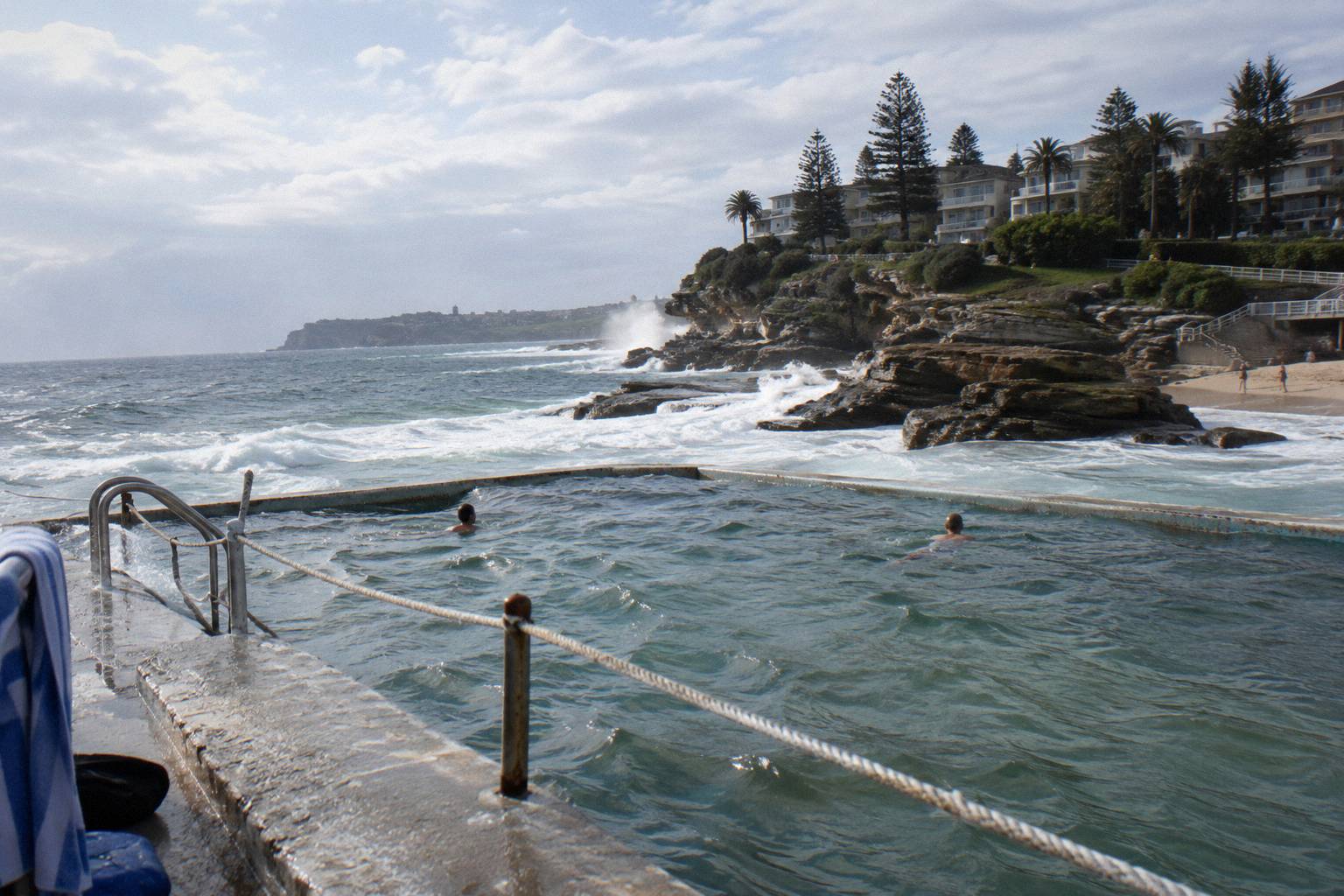
Swell changes the water at Shelly Beach mainly by reducing clarity, because stirring the water column and shifting sand lifts particles that cloud the water. The beach sits in a sheltered corner that softens much of the energy before it arrives, so the effect on the water is real but muted. Beachsafe's wording is that the beach faces west and swell is refracted round Blue Fish Point, so waves are low. That is a real advantage over the ocean beaches nearby, and it is one reason tours concentrate here. Still, a long-period swell from the right direction can push enough energy into the bay to lift sediment and drop visibility for a day or two after the swell itself has eased.
The rough pattern to hold in your head is simple. Calm spells after a few quiet days tend to give the clearer water. A big swell arriving, or rain falling heavily on the catchment, works against clarity, and the effect can outlast the weather that caused it. Any typical visibility figure belongs in that context: it is a rough range, not a promise for your particular Tuesday.
Swell also interacts with the hazards Beachsafe lists for Shelly Beach: sharks, bluebottles and rips. The rip hazard belongs mainly to the unpatrolled stretches outside the patrol window, since Shelly Beach is patrolled only from 21 December to 31 January 2027 under the council's 2026/27 summer arrangement, while Manly Beach is patrolled year-round. Swell and clarity are the operator's call; where and whether you swim on your own time is yours, and the patrol dates should shape that.
Which Operators Move Sites When Conditions Turn?
Dive Centre Manly is the clearest example of an operator that moves between sites when conditions turn. According to the operator, its guided snorkel runs take place at Shelly Beach, Fairy Bower or Fairlight, with the site chosen depending on conditions. That matters when visibility drops at one spot, because the trip can shift to whichever of the three is working best rather than cancel outright. The Guided Snorkel With A PADI Guide, Dive Centre Manly is a 2.5-hour trip from US$64 per person, meeting at 10 Belgrave Street, a two-minute walk from the ferry wharf, with equipment included and a maximum of 8 guests. The operator's own site adds a wetsuit and flotation device to the equipment list and says guests must be able to swim comfortably in the ocean.
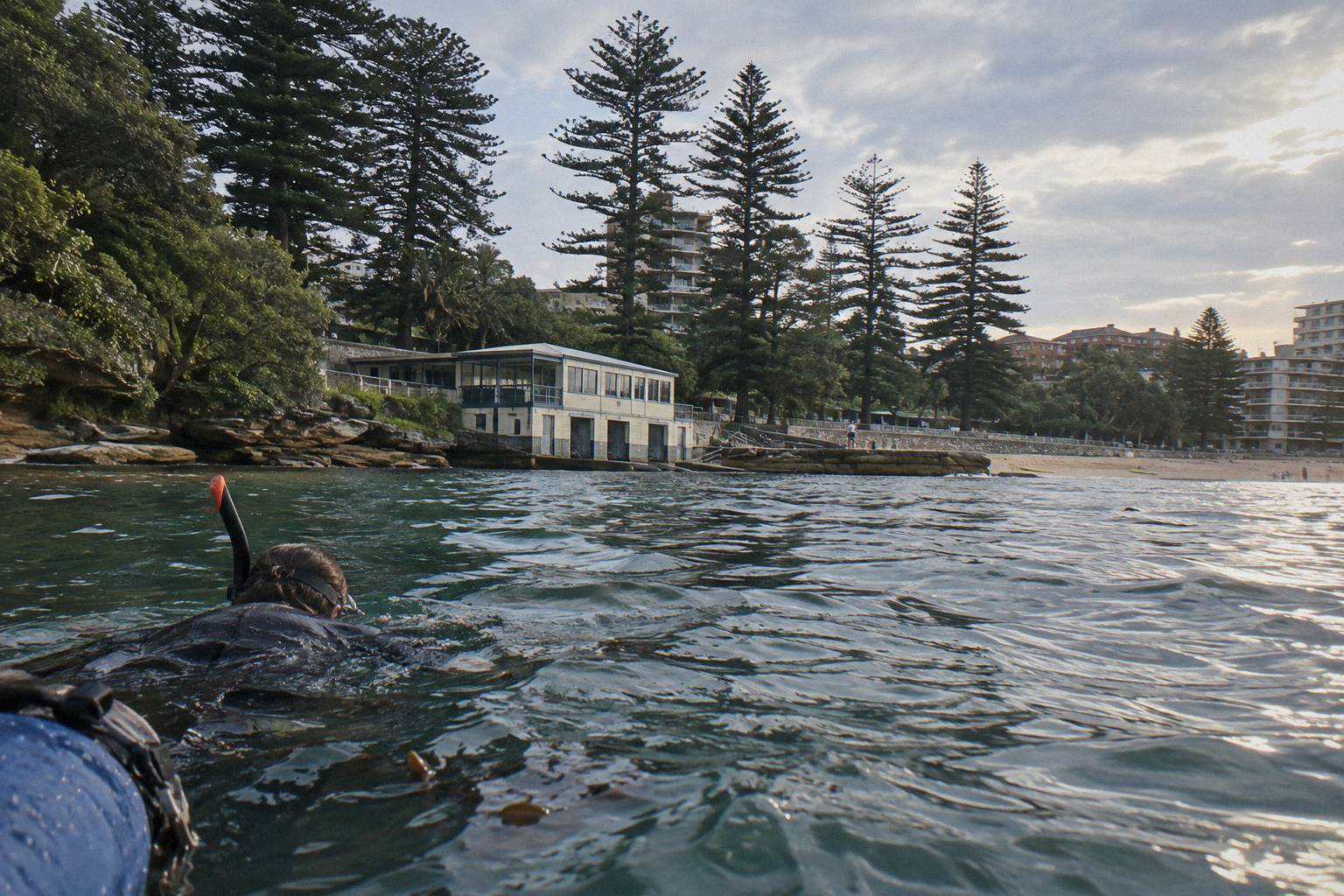
EcoTreasures takes a different approach: it states that conditions are assessed before each tour, and the Small Group booking page adds that the operator can cancel for weather or too few guests. The Small Group Manly Snorkel Tour With Nature Walk is the page with the most reviews, rated 4.7 from 220+ reviews, from US$84 per person for 2.5 hours, capped at 8 guests and meeting on the sand in front of the Boat House Cafe at Shelly Beach. Its structure gives it a weather buffer the others lack: the trip includes a 30-minute headland eco walk with binoculars plus an hour in the water, so the visit has value even if the snorkel window is shortened. You can check the small-group nature walk tour for its full inclusions, and check availability if the walk-and-snorkel format suits your group.
Fairy Bower and Fairlight, the two alternate sites, are named by Dive Centre Manly only as places it may use depending on conditions, so treat them as possibilities rather than stops. The reserve itself, declared a No Take Aquatic Reserve in March 2002 and covering about 20 hectares, has strict rules that apply at every site: the council's reserve page lists them in full.
What Should You Ask On The Morning Of A Tour?
On the morning of your tour, three questions cover most of what you need to ask: ask where you are snorkelling today so you know the site, ask how the visibility is so you know what conditions to expect, and ask what happens if the operator cancels so you know where you stand before you board. Operators who assess conditions before each tour answer the first two readily, and knowing the cancellation terms before you book answers the third. The pattern of answers tells you whether the trip is running as planned, shifted to a sheltered site, or likely to be called off. Ask them in that order, on the morning itself rather than days ahead, because conditions in a bay like this can change faster than a forecast can keep up with.
| Question to ask | Why it matters | What a good answer looks like |
|---|---|---|
| Which site are you using today? | Dive Centre Manly names Shelly Beach, Fairy Bower or Fairlight depending on conditions | A named site, decided that morning |
| How is the visibility right now? | Varies with swell and rain, so ask the operator on the day | A same-day reading, not a seasonal average |
| Is the tour going ahead? | The Small Group page says the operator can cancel for weather or too few guests | A direct yes or no, with the reason |
| What is your cancellation policy? | Free cancellation up to 24 hours before start is stated on seven booking pages | The terms restated plainly |
| Is a wetsuit included? | Wetsuit status differs by trip: the Shelly Beach open group lists it as an extra, the Private And Family trip includes it | A clear yes, no, or rental price |
| What swimming standard do you expect? | The Small Group trip requires 150 m unassisted plus floating and treading water | The standard stated before you book |
Timing around the questions matters too. The Shelly Beach open-group page asks guests to arrive up to 15 minutes early beside the yellow-red solar lifesaving pole, so the assessment conversation happens fast. If visibility matters more to you than the date, book with the 24-hour free-cancellation terms in mind and make a decision the day before, when the forecast is firmer.
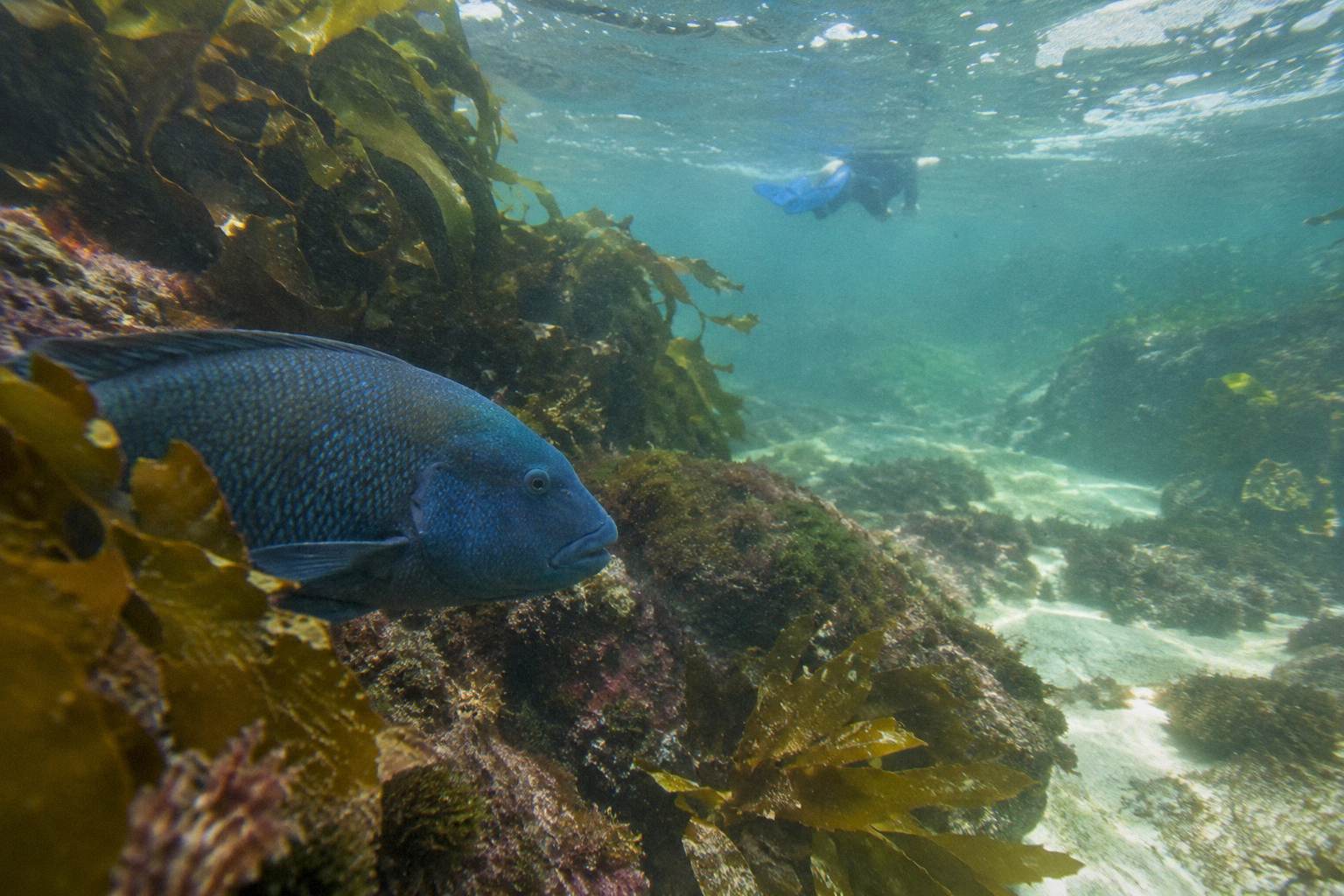
The marine life question follows the same logic. EcoTreasures lists blue groper, Port Jackson sharks, wobbegongs, eagle rays, giant cuttlefish, dusky whalers and green turtle among the species it sees, over 200 species in total by its own count, with the operator's own wording that wildlife sightings are never guaranteed. Better visibility improves your odds of the shyer species; it changes nothing about the guarantee, because there is not one.
Does Season Change Visibility At Manly?
Yes, season can change visibility at Manly, but only indirectly, through shifts in water temperature, swell patterns, and the amount of plankton in the water. Clarity can therefore rise and fall across the year without a fixed pattern, and no per-month visibility figure has been verified for any Sydney site, including Manly itself. What is printable is approximate: sea temperature runs about 18 to 23 °C through the year. Cooler months often pair with fewer swimmers and different swell patterns, while warmer months bring bluebottles, which Beachsafe calls common in warmer months, and busier beaches. None of that adds up to a rule you can book against.
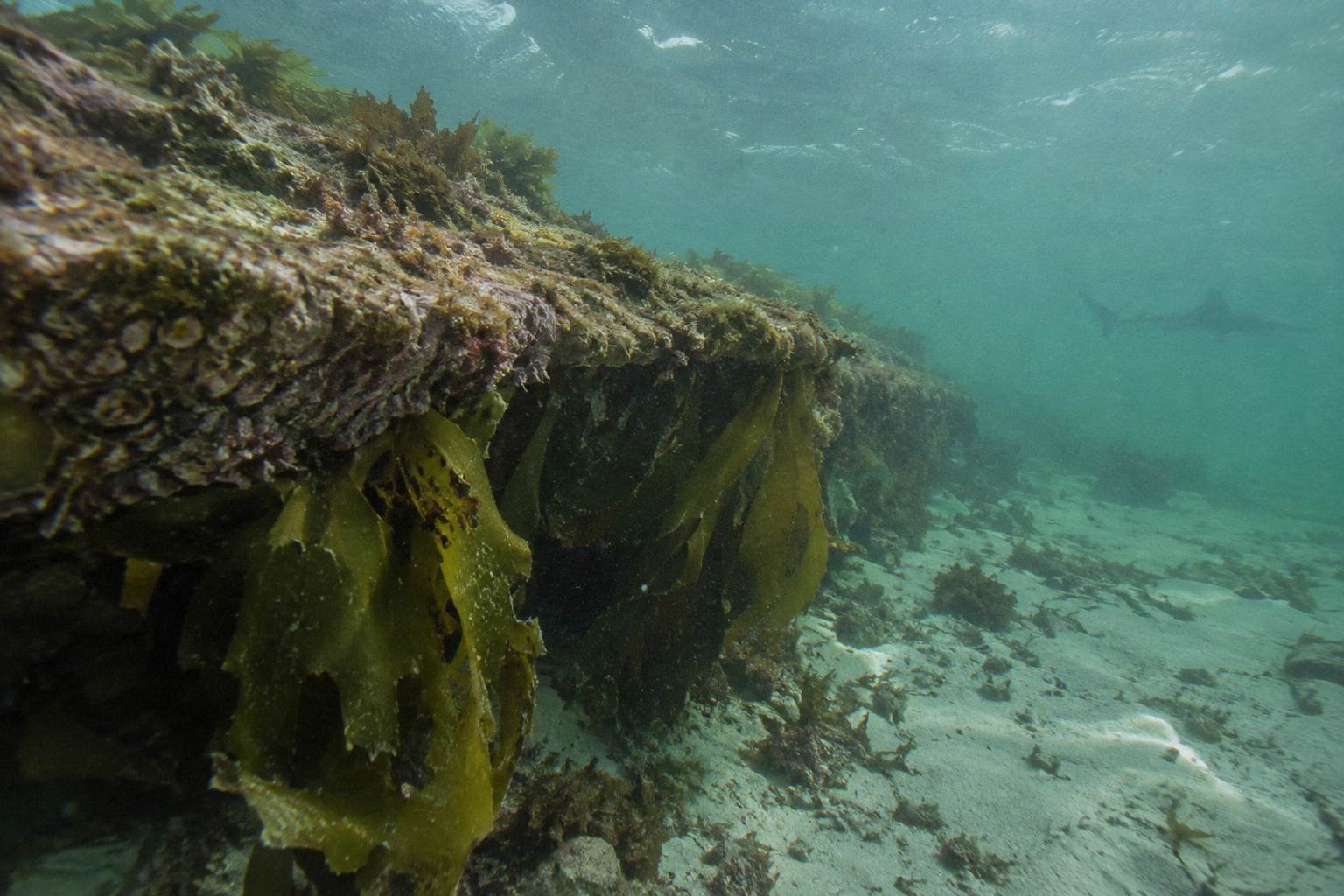
Species seasons follow the water temperature. A conservation-area factsheet gives the broad print versions: Port Jackson sharks winter into spring, giant cuttlefish autumn and winter, and dusky whalers summer into autumn. The Australian Museum notes dusky whaler juveniles, 1 to 2 m long, are regularly sighted in the Shelly Beach and Fairy Bower area: its species page says they are reported to leave when the water drops below about 17 °C. Clear, cool winter water and a Port Jackson shark on the reef is a real combination, sightings never guaranteed.
What Trips People Up Before A Snorkel Tour
The mistakes that trip people up before a snorkel tour are mostly planning errors: booking a fixed date with no cancellation room, ignoring the swim requirements, and treating a visibility claim as a promise. Each one is easy to avoid once you know to look for it ahead of time. Each one is avoidable with a small habit. Book a trip with free cancellation up to 24 hours before start when the forecast is shaky, read the swim standard before you pay, and treat any visibility figure you see as a typical range rather than a booking term. The swimmers who enjoy these trips most are the ones who matched the trip to their stated swimming ability and kept a spare morning in the itinerary.
The swim standards catch people out because they differ by trip. The Small Group Manly Snorkel Tour With Nature Walk requires all participants to swim 150 m unassisted, float and tread water, and its booking page says non-swimmers should not book. The Clovelly trip requires 100 m and floating unaided for 60 minutes. For other trips, ask the operator what standard to expect. The small-group trip's 150 m rule is the strictest wording on any Manly page, and it is enforced for a simple reason: a guide watching eight swimmers in open water cannot also be carrying one.
Wetsuit expectations differ too. The Shelly Beach Open Group And One-On-One Snorkel lists the wetsuit as an extra, not included, while the Private And Family Snorkel lists wetsuits among the equipment, and the Small Group page says wetsuit options, a rash vest, a spring suit or a steamer, are available to use on the day. Ask the operator what is provided on your trip rather than assuming. That short trip runs about 1 hour with a guide and equipment included, price on the booking page.
Pregnancy is a third trap. The Small Group booking page does not permit pregnant travellers, and the Private And Family page does not recommend them; check with your doctor and tell the operator when you book, whichever trip you choose.
Can You Reroute A Day When Visibility Drops?
Yes, sometimes you can, and two practical levers drive it: the operator's choice of site and your own schedule. If visibility drops, an operator may be able to shift the experience to a different location, and if that does not work, moving the day within your own plans often can. Neither lever is guaranteed, but both are worth checking before you write the day off. The Shelly Beach Open Group And One-On-One Snorkel is short, about an hour, which makes it the easiest trip to slide to another morning if the water is poor, and its booking page carries free cancellation up to 24 hours before start. A longer commitment, like the Private Bondi And Gordons Bay Snorkel, EcoTreasures, a 4-hour trip with hotel pick-up and drop-off, is non-refundable and cannot be changed, so weather risk sits with you rather than the operator. Duration and terms, not water quality, are what you can actually compare.
| Trip | Duration | Weather flexibility | Cancellation terms |
|---|---|---|---|
| Small Group Manly Snorkel Tour With Nature Walk | 2.5 hours | Conditions assessed before each tour; operator can cancel for weather or too few guests | Free cancellation up to 24 hours |
| Guided Snorkel With A PADI Guide, Dive Centre Manly | 2.5 hours | Moves between Shelly Beach, Fairy Bower and Fairlight depending on conditions | Free cancellation up to 24 hours |
| Shelly Beach Open Group And One-On-One Snorkel | About 1 hour | Ask the operator | Free cancellation up to 24 hours |
| Private And Family Snorkel, EcoTreasures | About 2 hours | Ask the operator | Free cancellation up to 24 hours |
| Private Bondi And Gordons Bay Snorkel, EcoTreasures | 4 hours | Ask the operator | Non-refundable, cannot be changed |
The other reroute is the headland. The Small Group trip's 30-minute eco walk with binoculars is built for exactly this: if the water turns, the trip still delivers the wildlife and habitat talk from the shore. Beyond the tours, the question of whether Manly weather cancels snorkel tours covers the cancellation mechanics in detail, including what the booking pages do and do not spell out.
One creature deserves its own caution here. Manly's little penguins are an endangered population whose habitat is critical habitat, now known as an Area of Outstanding Biodiversity Value, and no tour visits them, as the environment department explains. Store Beach is a kayak stop on the Manly Cove Kayak Tour, not a snorkel stop, and the habitat has official access rules worth reading before you wander.
What Trips From Manly Give The Best Odds Of Clear Water?
No trip from Manly can promise clear water, and on the stated facts no operator's water quality can be ranked above another's, so the best odds come from the things you can actually compare: longer duration gives more chances to hit a clear window, and trips with flexibility on timing and site selection let conditions, not a fixed schedule, decide the swim. The Small Group trip pairs the headland walk with an hour of snorkelling and holds a 4.7 rating from 220+ reviews, from US$84. The Guided Snorkel With A PADI Guide is from US$64 and keeps three sites in play. The open-group trip is the shortest commitment at about an hour. All amounts are in US dollars. Whichever you choose, the morning assessment and the cancellation window do more for your odds than the brochure does.
Whichever you lean toward, the Manly Snorkel Tours homepage lays out the full set of Manly pages side by side, so a side-by-side look at durations, group maximums and meeting points takes a minute rather than an afternoon. Book with 24-hour free cancellation, ask the two morning questions, and let the operator's on-the-day assessment do the rest.
Common Questions About Snorkel Visibility At Manly
How Is Snorkel Tour Visibility At Manly After Rain And Swell?
Both can reduce it. Visibility varies with swell and rain, no verified rainfall or swell figure exists, so ask the operator on the day. The operators respond by assessing conditions before each tour, with Dive Centre Manly moving between Shelly Beach, Fairy Bower and Fairlight as conditions dictate.
Does Rain Ruin Snorkelling At Shelly Beach?
Rain clouds the water mainly through runoff, which can outlast the rain itself. The effect varies and no runoff figure is verified, so the practical move is to ask the operator how the water looks on the morning and to keep the 24-hour free cancellation in play.
Can An Operator Change The Snorkel Site On The Day?
Dive Centre Manly states its guided snorkel runs at Shelly Beach, Fairy Bower or Fairlight depending on conditions. For other trips, ask the operator when booking whether the site can change.
Will A Tour Be Cancelled For Bad Visibility?
The Small Group booking page says the operator can cancel for weather or too few guests, and EcoTreasures assesses conditions before each tour. For the other trips the booking page does not spell out poor-weather terms: ask the operator.
Is Winter Water Clearer At Manly?
No per-month visibility figure is verified. Sea temperature runs about 18 to 23 °C across the year, with the cooler months bringing the coldest water, and the operator's Port Jackson shark season runs winter into spring. Sightings are never guaranteed whatever the water does.
What Visibility Should I Ask For Before Booking?
Ask the operator for the same-day reading rather than a seasonal average, since the dive operator's 5 to 10 metre claim is a typical range, not a promise. Also ask which site is in use and whether the tour is going ahead as planned.