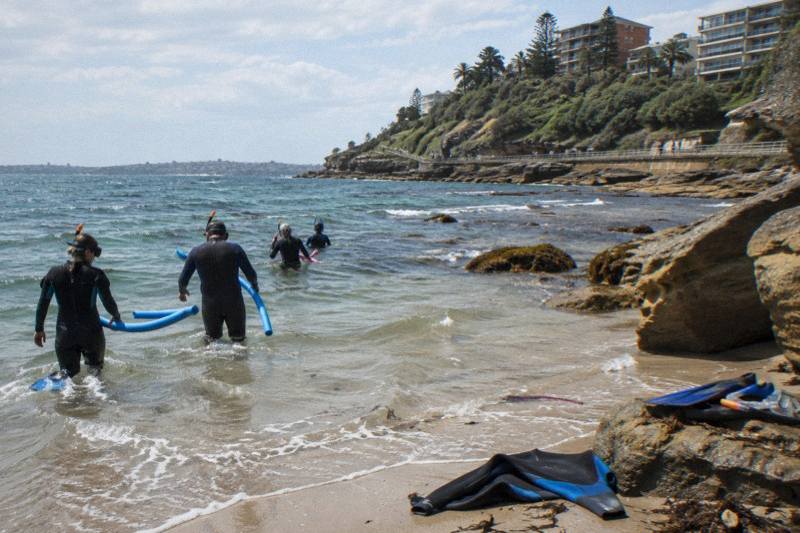
What Marine Life Can You See On A Snorkel Tour At Shelly Beach?
The species EcoTreasures lists for Cabbage Tree Bay, the broad seasons for sharks, cuttlefish and rays, the reserve rules that protect them, and which snorkel tours run at Shelly Beach.
Short answer
Species EcoTreasures lists as may-be-seen include blue groper, Port Jackson shark, wobbegong, eagle ray, Maori wrasse, crimson-banded wrasse, giant cuttlefish, dusky whaler shark and green turtle, from over 200 species in the bay. Broad seasons: Port Jackson shark winter into spring, giant cuttlefish autumn and winter, dusky whaler summer into autumn. Wildlife sightings are never guaranteed.
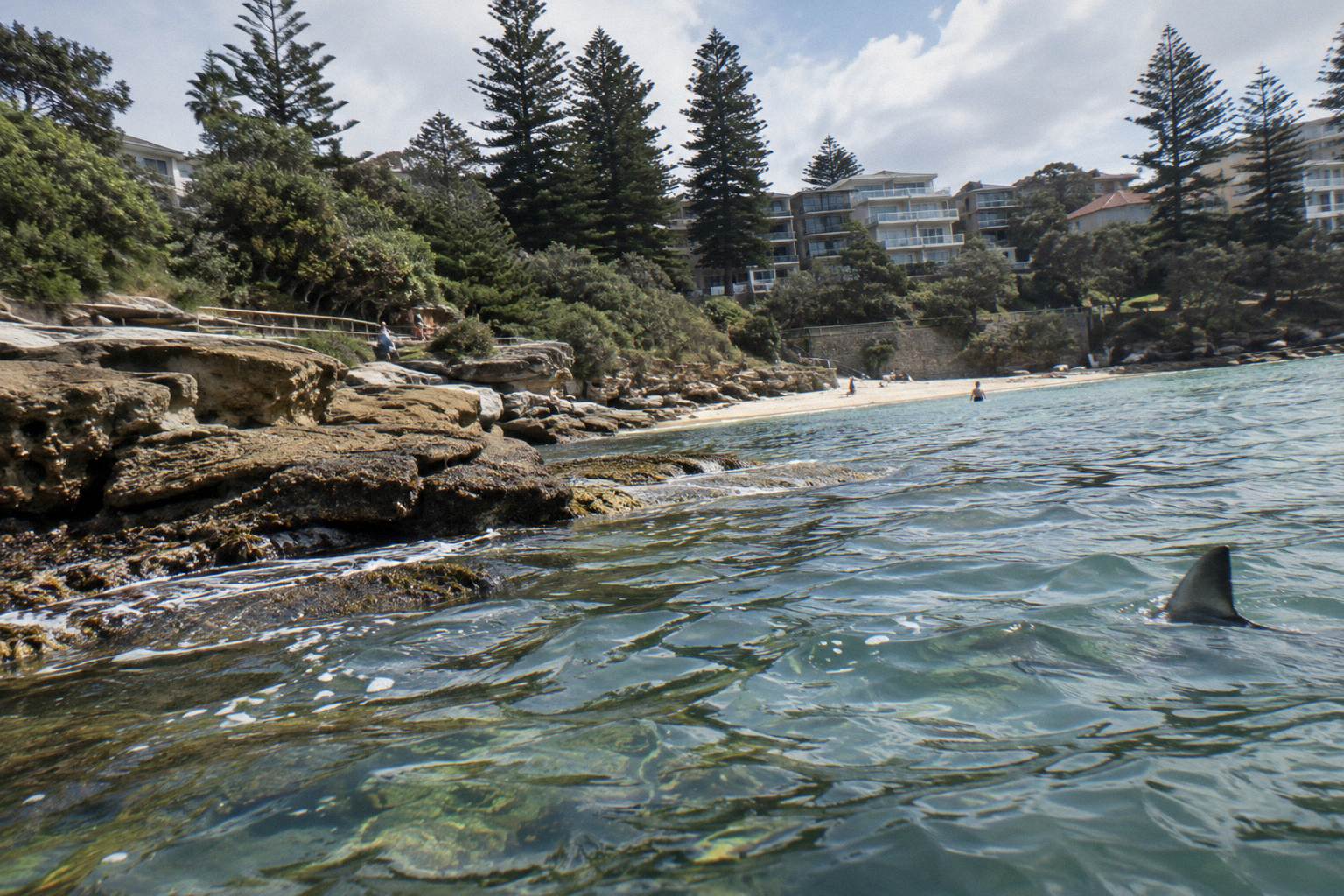
Snorkelling at Shelly Beach means snorkelling inside a protected area. Cabbage Tree Bay Aquatic Reserve was declared a No Take Aquatic Reserve in March 2002 and covers about 20 hectares, taking in the entire bay, the rocky shores and the beaches from the southern end of Manly Beach to the northern end of the Shelly Beach Headland, in the council's wording. Two decades of protection shape what swims there, and the operators that run guided trips through the bay build their species talk around it.
Quick Facts
| Fact | Detail |
|---|---|
| Protected area | Cabbage Tree Bay Aquatic Reserve, declared a No Take Aquatic Reserve in March 2002 |
| Size | About 20 hectares, from the southern end of Manly Beach to the northern end of the Shelly Beach Headland |
| Species count | Over 200 species per EcoTreasures, the tour operator |
| Headline species | Blue groper, Port Jackson shark, wobbegong, eagle ray, Maori wrasse, crimson-banded wrasse, giant cuttlefish, dusky whaler shark, green turtle |
| Sighting policy | Wildlife sightings are never guaranteed, in the operator's own words |
| Reserve rules | No fishing, no touching or chasing animals, no feeding fish, no collecting shells, no moving rocks |
| Featured trip | Small Group Manly Snorkel Tour With Nature Walk, from US$84 per person, 4.7 from 220+ reviews |
| Water temperature | About 18 to 23 °C through the year, an approximate secondary-source range |
The species EcoTreasures lists for the bay are blue groper, Port Jackson shark, wobbegong, eagle ray, Maori wrasse, crimson-banded wrasse, giant cuttlefish, dusky whaler shark and green turtle, drawn from over 200 species the operator records for the area. Every one of them is a may-be-seen animal: the operator's own wording is that wildlife sightings are never guaranteed. Seasons help, the guide's knowledge of the reef helps, and the day's conditions are assessed before each tour. What a no-take reserve reliably delivers is abundance and tameness that unprotected stretches of coastline lose, and that is the reason Shelly Beach carries the reputation it does among Sydney snorkellers. The bay's protection began as an intertidal protected area in 1993 and became a full aquatic reserve in 2002, so the fish here have lived their whole lives without hooks, nets or collectors. The council page on Cabbage Tree Bay Aquatic Reserve sets out the boundaries and the rules. A guided trip adds two things an independent snorkeller rarely gets: a guide who knows which reef patches hold which animals, and a species and habitat talk that explains what you are looking at.
Three guided options snorkel this bay. The Small Group Manly Snorkel Tour With Nature Walk pairs a 30-minute headland eco walk with binoculars and a 1-hour snorkel, from US$84 per person. The Guided Snorkel With A PADI Guide, Dive Centre Manly runs 2.5 hours from the dive shop at 10 Belgrave Street, from US$64 per person. The Shelly Beach Open Group And One-On-One Snorkel is about 1 hour beside the yellow-red solar lifesaving pole, with its price on the booking page.
The table below pulls the operator's species list together with the broad seasons the sources support. Where sources disagree on months, the season is printed wide rather than narrow, and that disagreement is real: a conservation-area factsheet and the operator read the bay's shark seasons differently, so any month-precise claim you see elsewhere should be treated with care.
| Species | Operator-stated window | Broad season to plan around |
|---|---|---|
| Blue groper | Listed without a season | May be seen year round |
| Port Jackson shark | Winter into spring | Cooler months |
| Wobbegong | Listed without a season | May be seen year round |
| Eagle ray | Listed without a season | May be seen year round |
| Maori wrasse | Listed without a season | May be seen year round |
| Crimson-banded wrasse | Listed without a season | May be seen year round |
| Giant cuttlefish | Autumn and winter | Cooler months |
| Dusky whaler shark | Summer into autumn | Warmer months |
| Green turtle | Listed without a season | May be seen year round |
The Blue Groper, The Bay's Signature Fish
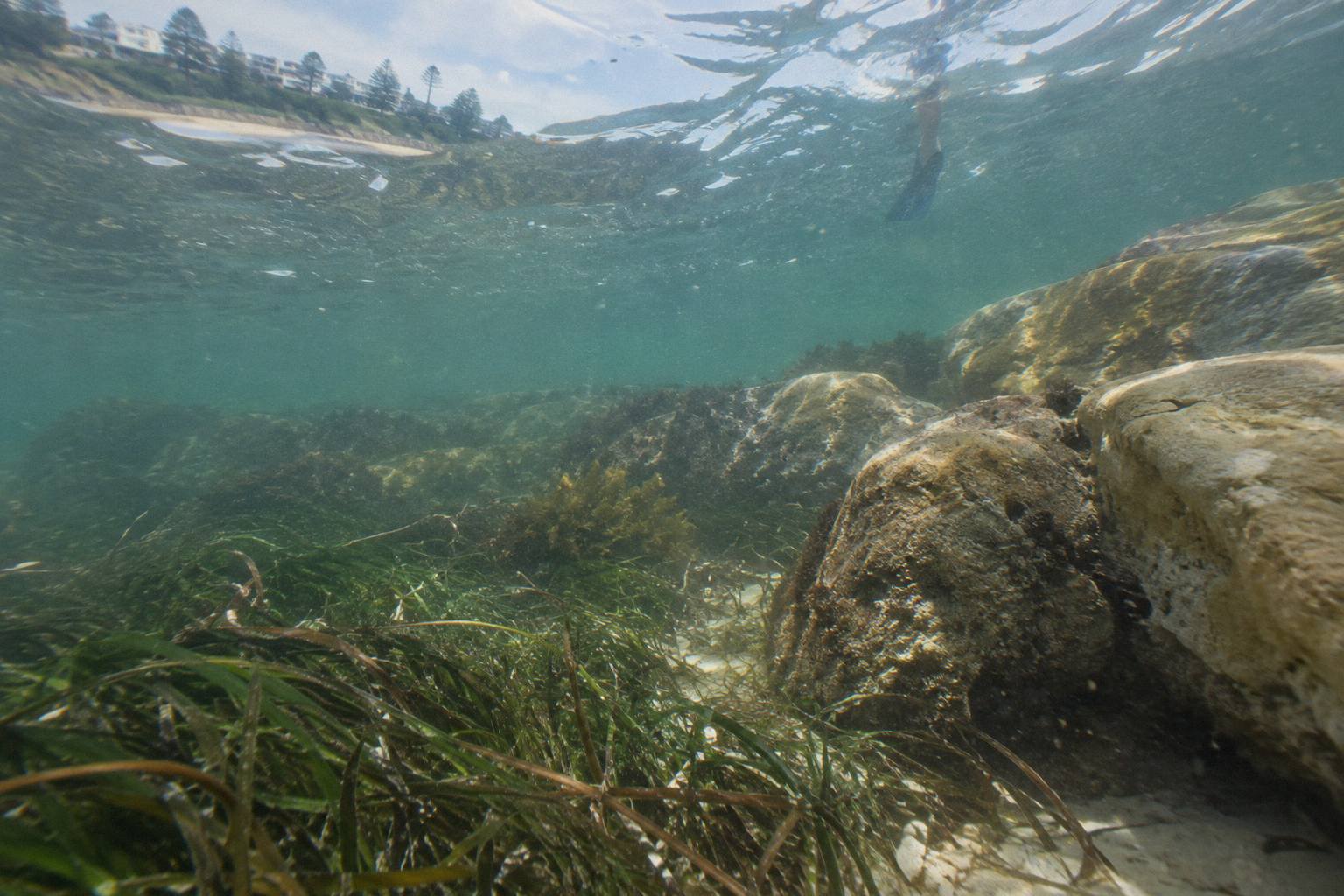
The eastern blue groper is the fish most associated with Shelly Beach, and it carries official standing as the NSW state fish: spearfishing has been banned since 1969, commercial fishing since 1980, and a recreational line-fishing ban from 2024 has been extended to March 2028 by the state government. EcoTreasures lists it first among the animals its snorkellers may see and describes it as near-threatened in its own words. The state government's protection announcement explains the fishing-ban history in full. A fish that has been off-limits to spear and hook for over half a century in a bay that has banned every take method since 2002 is a fish that stays put, and that is why guides can point snorkellers toward the same reef residents across a season. No tour promises a groper on any given swim; the booking pages are consistent on that point, and the operator's own phrase, wildlife sightings are never guaranteed, appears in its species information. The wrasse that share the reef, Maori wrasse and crimson-banded wrasse among them, are on the same operator list without a stated season.
Two practical notes follow from the groper's status. First, the no-touch rule in the reserve applies to it as much as to anything else, and a guide will say so in the briefing. Second, the small-group trip's headland walk is built partly around this kind of context: 30 minutes with binoculars and a talk about Cabbage Tree Bay's wildlife and habitats before anyone gets wet, which is where the over-200-species figure and the protection history get explained by someone who works the bay.
Sharks On The Tour Species List
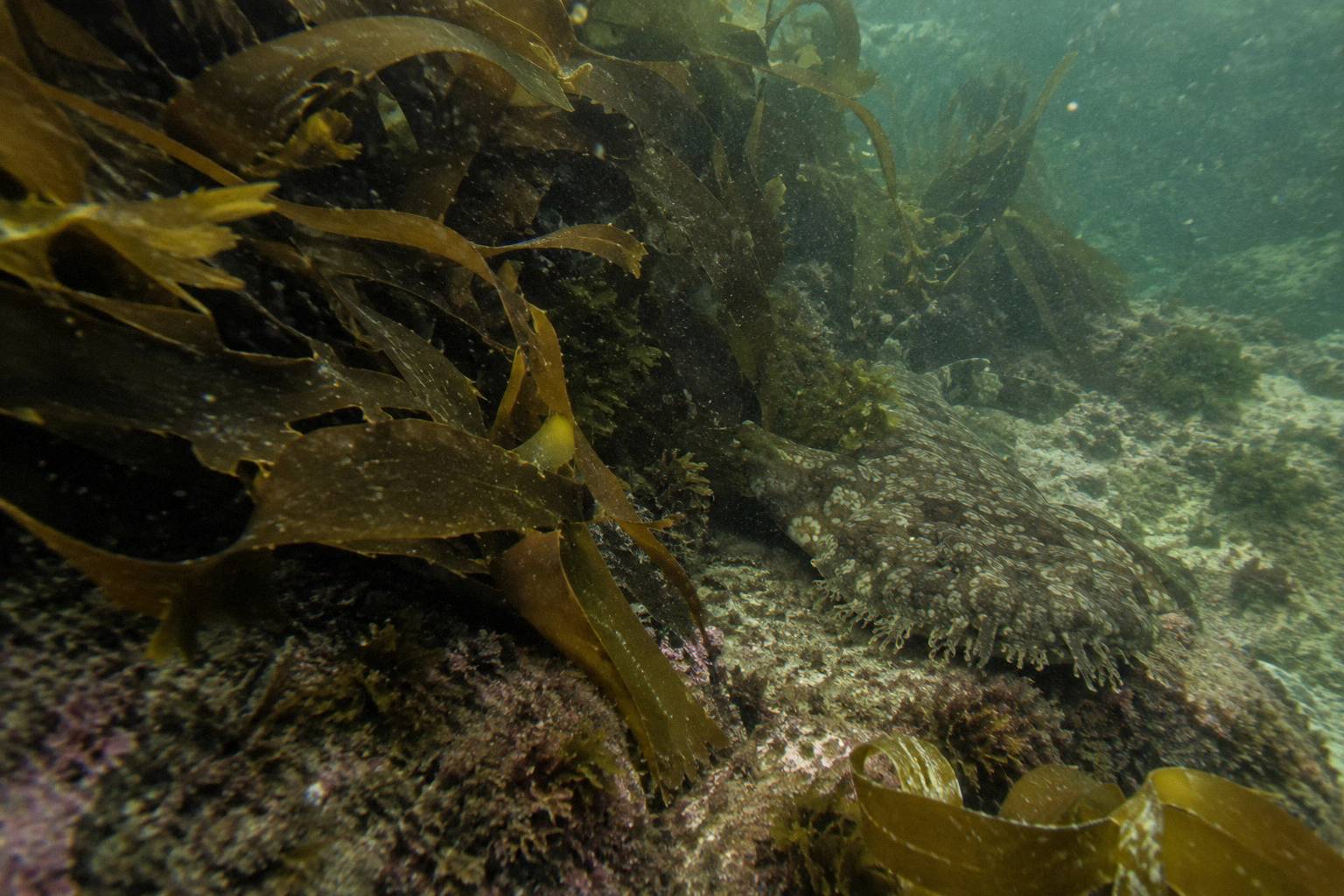
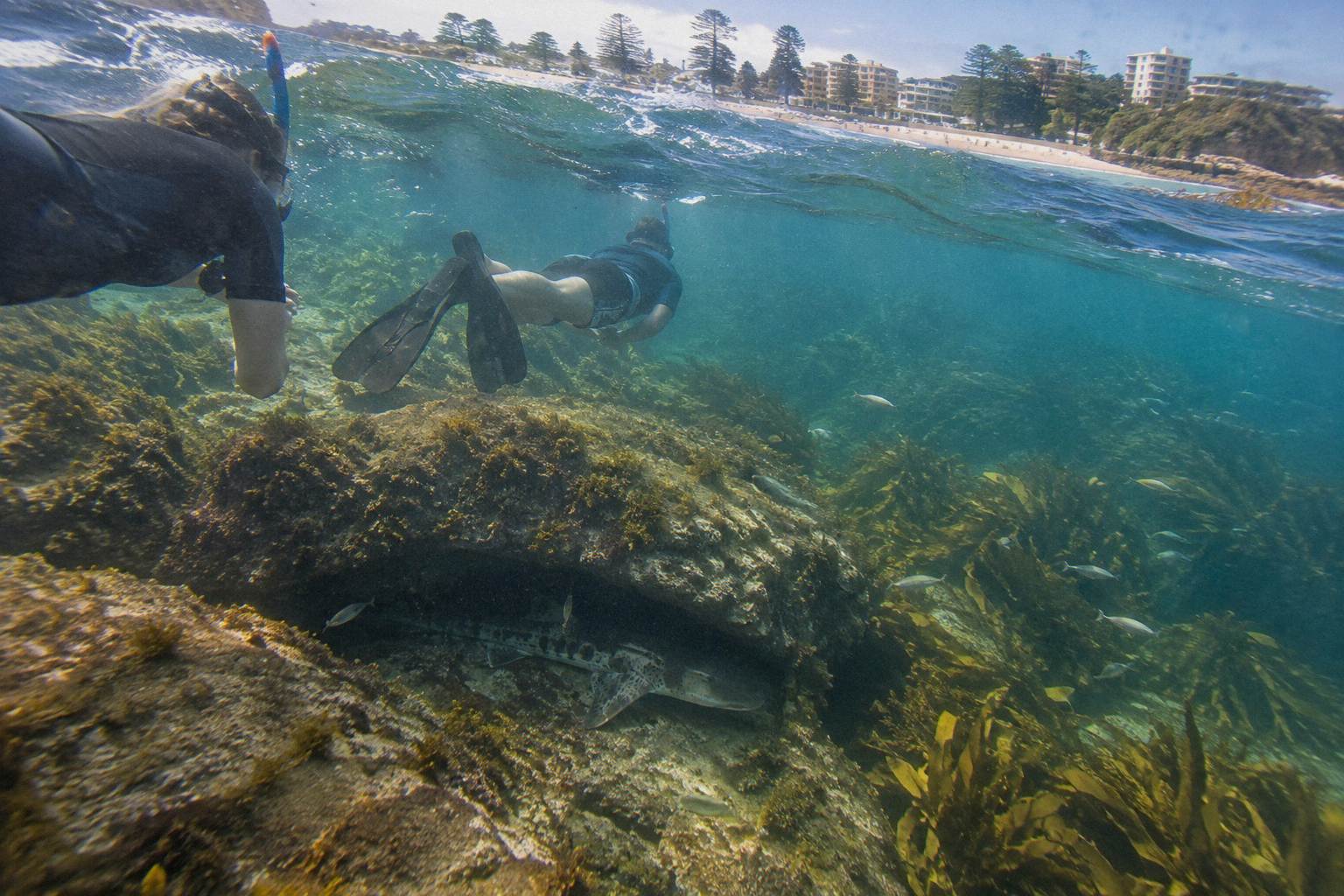
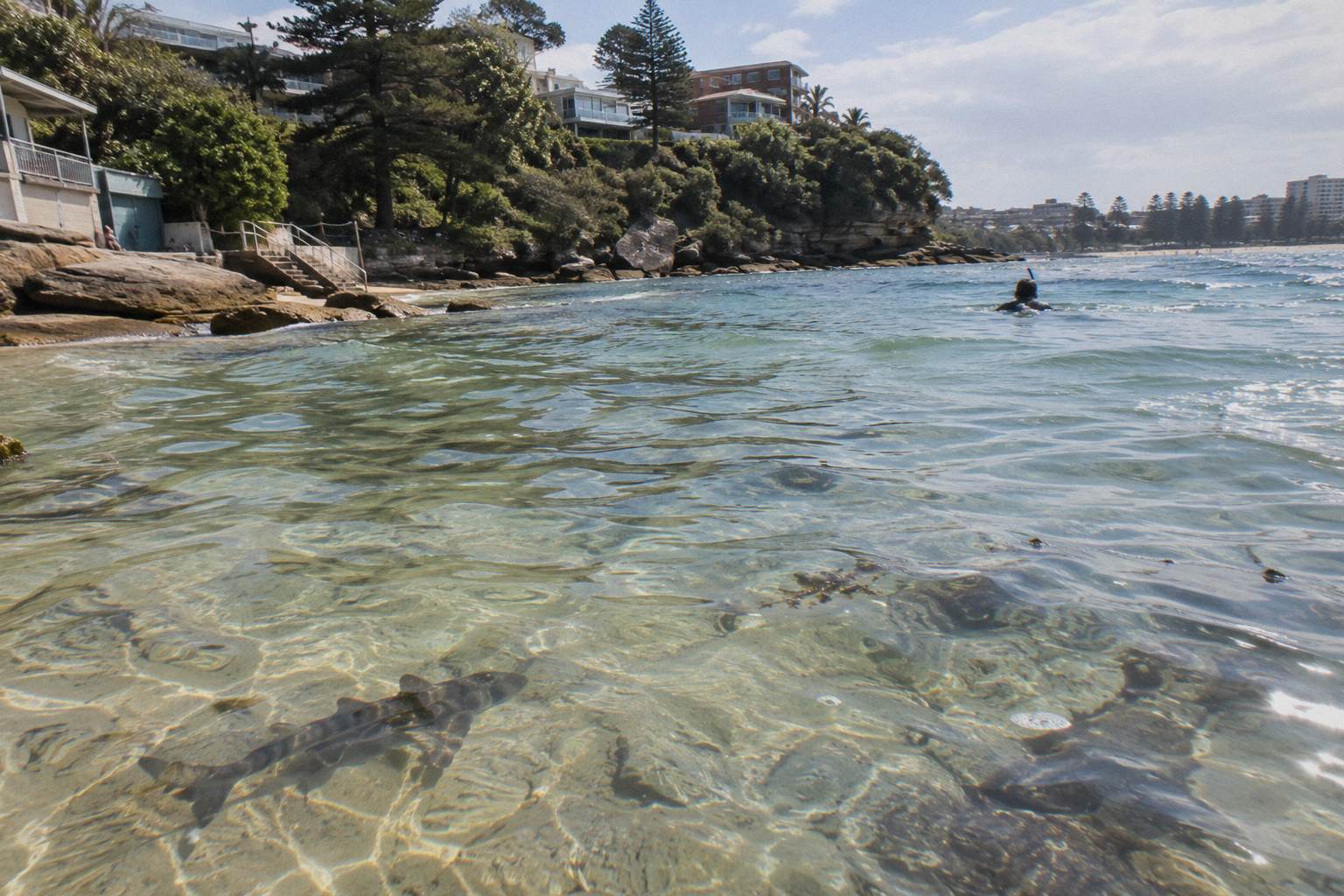
The EcoTreasures species list names three sharks: the Port Jackson shark, the wobbegong and the dusky whaler. Port Jackson sharks are listed for winter into spring, dusky whalers for summer into autumn, and wobbegongs carry no stated season; the Australian Museum records juvenile dusky whalers 1 to 2 m long as regularly sighted around Shelly Beach and Fairy Bower, leaving in winter as water drops below about 17 °C. That museum page, on dusky shark juveniles in Sydney, is the primary source for the sighting pattern and the temperature link. The season picture is deliberately broad in the table above because the sources genuinely disagree: the operator reads the Port Jackson window as winter into spring, while a conservation-area factsheet places them in spring, and the two dusky whaler windows, summer into autumn versus a warmer-months reading, overlap without matching. Planning around a season raises your odds without ever entitling you to a sighting. The water itself spans about 18 to 23 °C across the year in approximate secondary-source figures, which is the backdrop to every shark season in the bay.
For the shark-curious, the deeper species pages cover the Port Jackson shark season for snorkellers and wobbegong and cuttlefish sightings from the water. Before you get excited about any of this, read the Small Group trip's booking page for its swim rule: every participant must swim 150 m unassisted, float and tread water, and non-swimmers should not book.
A shark on a reef is also where the guide earns the ticket price. Recognising a wobbegong's outline against reef, or telling a harmless-looking silhouette from something else, is a learned skill, and all three trips in the table above put a guide in the water or on the sand beside you.
Cuttlefish, Rays And The Green Turtle
Giant cuttlefish are the bay's autumn and winter animal in the operator's reading, listed broadly across the cooler months, while a dive operator says they are present year round with winter breeding displays. Eagle rays and green turtles round out the list, both may-be-seen entries without a stated season. The green turtle appears only as a list item in the operator's species information, never as an expected or promised sighting. The same caution applies to every ray and turtle mention here. Cuttlefish are the one entry where two independent sources tell overlapping but different stories, and the planning advice is to treat autumn and winter as the widest window and the breeding displays as a winter possibility rather than a schedule. The broad-season table earlier carries the full list. Rays and turtles need no season advice beyond showing up: they are either on the reef that day or they are not, and no operator in the bay claims otherwise. What you can control is time in the water and eyes on the right patches of reef, and that is the practical case for a guided hour over an unguided splash. The Shelly Beach Open Group And One-On-One Snorkel keeps its group to a maximum of 6 and lists its wetsuit as an extra rather than an inclusion, so budget for that if you swim in the colder half of the year, when the cuttlefish window runs.
Why The Reserve Rules Shape What You See
Cabbage Tree Bay bans fishing by any method, harming or collecting marine life dead or alive including empty shells, touching, chasing, moving or disturbing animals or plants, feeding fish by any method, and moving rocks. Permitted activities are swimming, snorkelling, diving, surfing, underwater photography and tours with operators. Those rules, enforced since March 2002, are the direct reason a bay this close to a major city holds over 200 species, and they apply to every snorkeller, guided or not. The council reserve page linked above is the authoritative wording, and the state fisheries guidance agrees with it. For snorkellers the practical translation is simple: look, photograph, follow the guide, and leave everything exactly where it is. Feeding fish to attract them for photos is banned, and so is picking up an empty shell, which surprises visitors who assume a shell on the sand is fair game. The rules also explain the tours' shape: an operator running trips inside the reserve works with the protection framework rather than around it, which is part of why the Small Group trip's eco walk exists at all. No penalty amount appears in the official sources, so none is repeated here, and the summary is that the rules are enforced by the authorities and every tour briefing covers them.
Which Snorkel Tours Actually Run At Shelly Beach
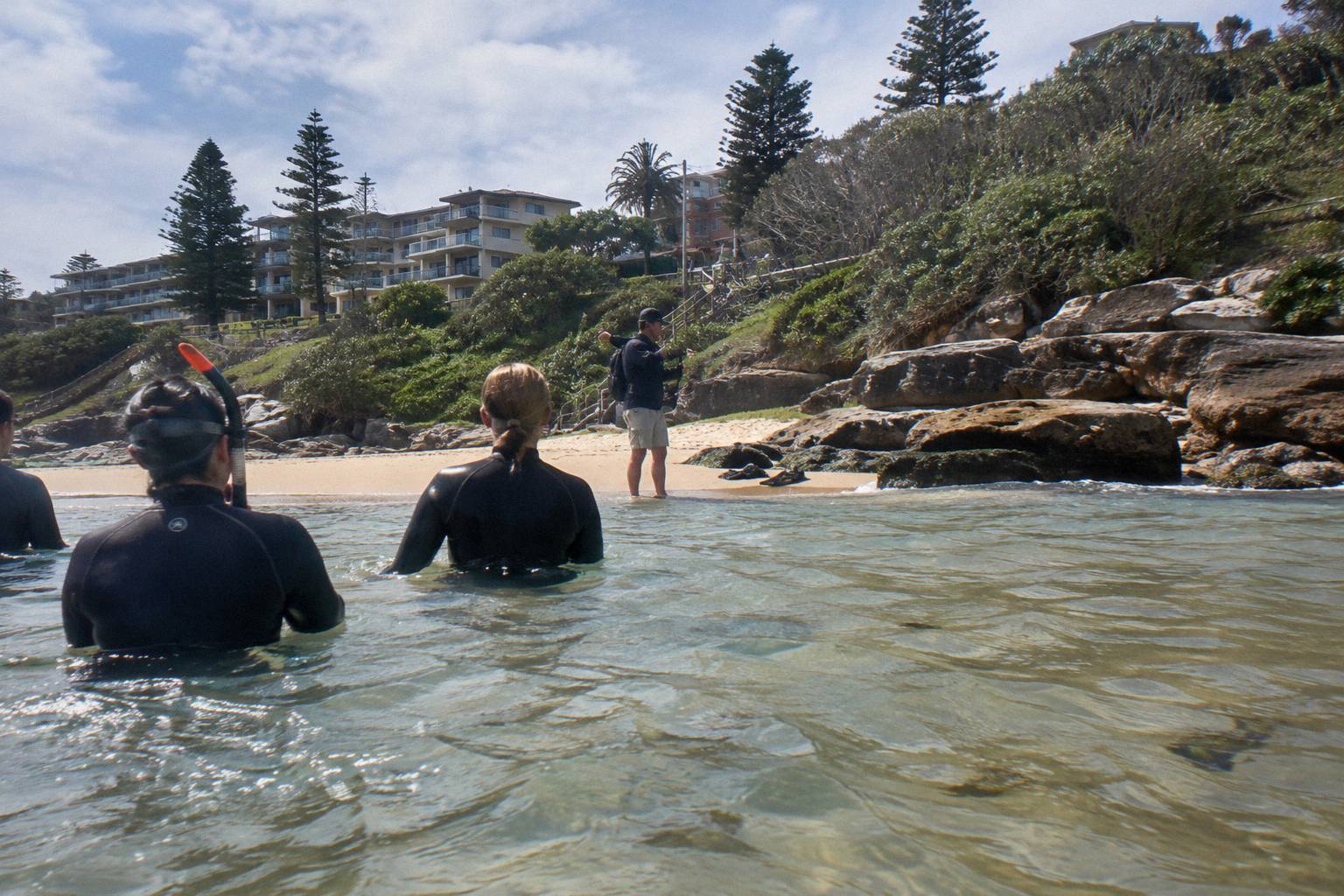
The Small Group Manly Snorkel Tour With Nature Walk meets on the sand in front of the Boat House Cafe; the Shelly Beach Open Group And One-On-One Snorkel meets beside the yellow-red solar lifesaving pole at 1 Marine Parade; the Guided Snorkel With A PADI Guide uses Shelly Beach, Fairy Bower or Fairlight depending on conditions; and the Private And Family Snorkel, EcoTreasures also meets at the Boat House Cafe spot. Adjacent pages exist at Clovelly and Bondi for swimmers based elsewhere, but the marine life story in those bays is a different one, and the comparison belongs on its own page. The table below is the decision view: where each trip meets, how long it runs, and what it costs in US dollars where a from-price exists.
| Trip | Meeting point | Duration | Price |
|---|---|---|---|
| Small Group Manly Snorkel Tour With Nature Walk | Shelly Beach, in front of the Boat House Cafe, 1 Marine Parade | 2.5 hours | From US$84 |
| Guided Snorkel With A PADI Guide, Dive Centre Manly | Dive Centre Manly, 10 Belgrave Street, a two-minute walk from the ferry wharf | 2.5 hours | From US$64 |
| Shelly Beach Open Group And One-On-One Snorkel | Beside the ERB solar lifesaving pole at Shelly Beach, arrive up to 15 minutes early | About 1 hour | Price on the booking page |
| Private And Family Snorkel, EcoTreasures | Shelly Beach, in front of the Boat House Cafe | About 2 hours | Price on the booking page |
Free cancellation up to 24 hours before start is stated on the booking pages for these trips, so a species-led plan can be booked ahead and adjusted if the forecast turns. The Small Group trip is the page with the most reviews at 4.7 from 220+, and its headland walk is the only one of the four that pairs the snorkel with a land-based wildlife talk. If your question is whether you can handle the swim at all, the post on whether you need to swim to join a snorkel tour sets out the stated requirements trip by trip, and you can check availability on the open-group page once you know your dates.
How Season And Conditions Change The Odds
Sea temperature at Shelly Beach runs about 18 to 23 °C through the year in approximate secondary-source figures, warmer through the warmer months and coolest through the cooler months, and visibility varies with swell and rain, so ask the operator on the day. Species follow that cycle: dusky whalers are reported to leave when the water drops below about 17 °C, Port Jackson sharks arrive with the cooler months, and giant cuttlefish overlap the cold half of the year. None of that is a timetable, and no figure here comes from an official bureau table, so treat the ranges as planning guidance rather than data. Operators assess conditions before each tour, in EcoTreasures' wording, and the Small Group booking page says the guide can cancel for weather or too few guests, with free cancellation up to 24 hours on the booking page. That cuts both ways for a species-hunting snorkeller: the trip you wanted for its cuttlefish window can be reshuffled by a swell, so book the day with flexibility in mind. Visibility is the quiet variable in the whole equation, and the post on snorkel visibility at Manly after rain and swell explains what changes and how operators respond.
What Trips People Up Before A Snorkel Tour
The mistakes that cost people their Shelly Beach swim are predictable ones: booking the Small Group trip without reading the 150 m swim requirement, expecting a specific animal because a season list said so, assuming a wetsuit is included when it depends on the trip, treating Shelly Beach as a patrolled beach outside the 21 December to 31 January 2027 window, and planning to touch or feed the marine life the reserve exists to protect. Each one is avoidable with a booking-page read and a single question to the operator. The swim rule first, because it turns people away on the sand: the Small Group trip requires 150 m unassisted, floating and treading water, and its booking page says non-swimmers should not book, while the open-group trip carries no swim standard, so ask the operator what to expect before booking it. Species expectations second: seasons are broad and wildlife sightings are never guaranteed, in the operator's own words, and anyone sold a guaranteed shark or turtle has been mis-sold.
Wetsuits third, because the pattern is per trip: the Small Group booking page offers wetsuit options on the day, the Private And Family trip includes wetsuits in its equipment, and the open-group and Clovelly pages list wetsuits as excluded or extra. Patrols fourth: Shelly Beach is patrolled from 21 December to 31 January 2027 and unpatrolled outside that window, per the council's beach patrol announcement, so an independent swim before or after that stretch is on you. Reserve rules last: no touching, chasing, feeding or collecting, and that includes the shells.
Three quick checks settle most of it. Ask the operator what swimming standard the trip expects. Ask what is included in the equipment on the date you want. And read the cancellation terms on the booking page, since one adjacent trip, the Private Bondi And Gordons Bay Snorkel, is non-refundable while the Manly pages state free cancellation up to 24 hours.
Whether a guided trip is the right call at all, given all of the above, is the decision Manly Snorkel Tours exists to help with, and the species list here is the evidence: a guide who knows the reef, the seasons and the rules is the difference between swimming over water and swimming through a protected ecosystem with someone who can name what passes beneath you.
Common Questions About Marine Life At Shelly Beach
What Marine Life Can You See On A Snorkel Tour At Shelly Beach?
EcoTreasures lists blue groper, Port Jackson shark, wobbegong, eagle ray, Maori wrasse, crimson-banded wrasse, giant cuttlefish, dusky whaler shark and green turtle, from over 200 species recorded for the bay. All are may-be-seen animals, and the operator's own wording is that wildlife sightings are never guaranteed. Broad seasons: Port Jackson shark winter into spring, giant cuttlefish autumn and winter, dusky whaler summer into autumn.
Can You See Sharks When Snorkelling At Shelly Beach?
Three sharks are on the operator's species list: Port Jackson shark, wobbegong and dusky whaler. The Australian Museum records juvenile dusky whalers 1 to 2 m long as regularly sighted in the Shelly Beach and Fairy Bower area, reported to leave in winter when the water drops below about 17 °C. No sighting is promised on any tour.
What Is The Best Season For Marine Life At Shelly Beach?
It depends on the animal. Port Jackson sharks run winter into spring, giant cuttlefish autumn and winter, and dusky whalers summer into autumn, while blue groper, wrasse, eagle rays and green turtles are listed without a season. Sea temperature spans about 18 to 23 °C across the year, warmer through the warmer months and coolest through the cooler months.
Are You Allowed To Touch Or Feed The Fish In Cabbage Tree Bay?
No. The aquatic reserve bans touching, chasing, moving or disturbing marine animals or plants, feeding fish by any method, collecting anything dead or alive including empty shells, and moving rocks. Swimming, snorkelling, diving, surfing, underwater photography and tours with operators are the permitted activities.
Can A Tour Guarantee You Will See A Blue Groper Or A Turtle?
No tour guarantees any animal. The green turtle appears only as a list item in the operator's species information, the blue groper is the first listed species, and the operator states plainly that wildlife sightings are never guaranteed. A guide raises the odds by knowing the reef, not by promising outcomes.
Which Tour Should You Book For The Marine Life Talk?
The Small Group Manly Snorkel Tour With Nature Walk, from US$84 per person and rated 4.7 from 220+ reviews, is the trip that pairs a 1-hour snorkel with a 30-minute headland eco walk using binoculars, built around Cabbage Tree Bay's wildlife and habitats. The Guided Snorkel With A PADI Guide, from US$64, and the Shelly Beach Open Group And One-On-One Snorkel put the guiding in the water instead.