Cabbage Tree Bay Aquatic Reserve: Rules Every Snorkel Tour Follows
Cabbage Tree Bay Aquatic Reserve was declared a No Take Aquatic Reserve in March 2002 and covers about 20 hectares of bay, rocky shore and beach between Manly Beach and the Shelly Beach Headland. The rules are strict, simple and enforced, and they shape every snorkel tour that operates there.
Short answer
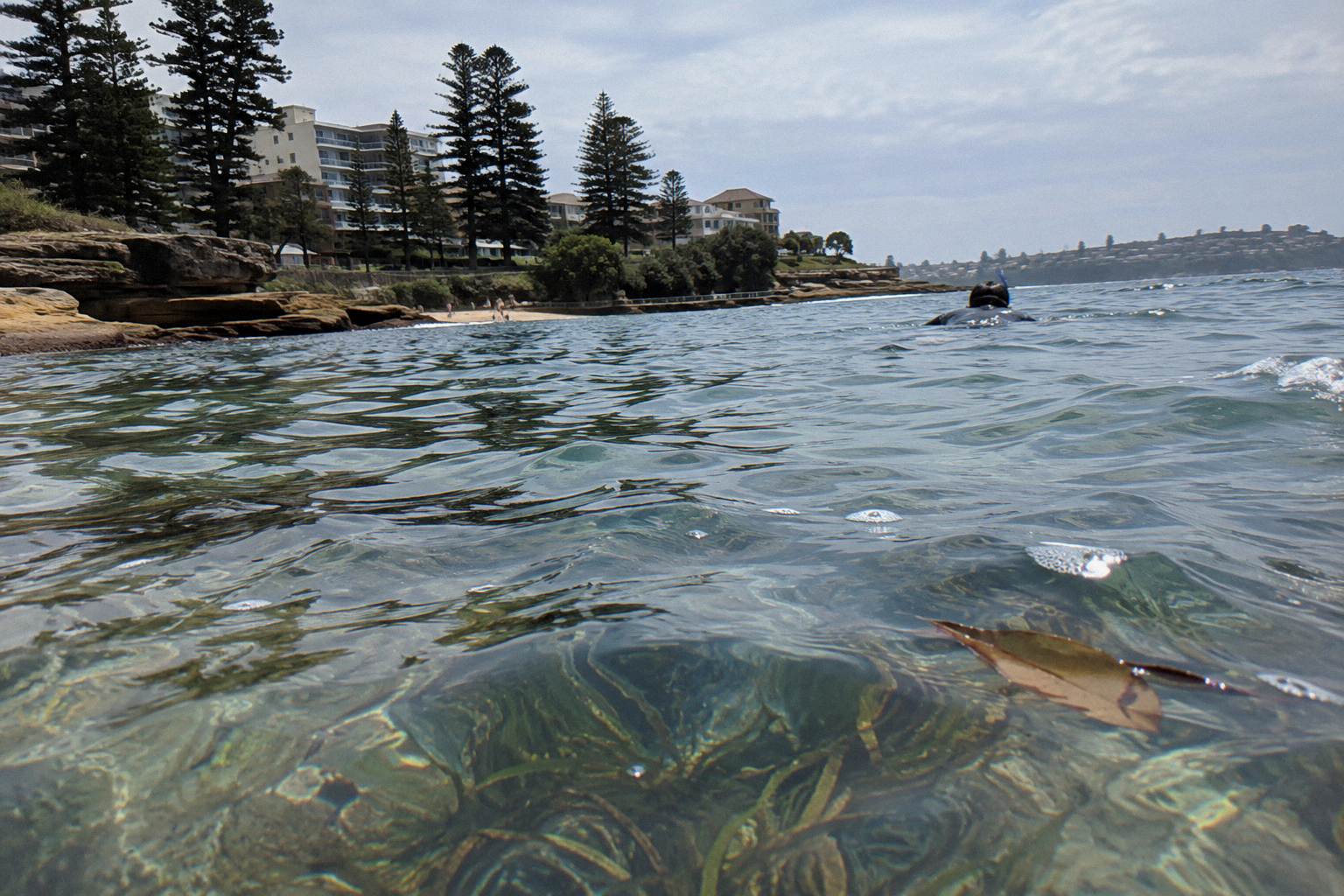
Cabbage Tree Bay Aquatic Reserve is a No Take Aquatic Reserve covering about 20 hectares from the southern end of Manly Beach to the northern end of the Shelly Beach Headland. Fishing, collecting (including empty shells), touching, chasing, feeding animals and moving rocks are all banned. Snorkelling, diving, swimming, surfing, underwater photography and tours with operators are all permitted.
Cabbage Tree Bay, the sheltered stretch of water between Manly Beach and Shelly Beach, has been a fully protected aquatic reserve since March 2002. For a snorkeller it is one of the most accessible protected marine areas in Sydney, and for a tour operator it is a place where the rules of the reserve set the shape of the day: where you swim, what you look at, and above all what you leave behind. If you are weighing up a guided trip, the reserve rules are a big part of the case for going with an operator, and a good starting point is the Small Group Manly Snorkel Tour With Nature Walk, the Manly guided page with the most reviews.
Quick Facts
| Fact | Detail |
|---|---|
| Status | No Take Aquatic Reserve, declared March 2002 |
| Size | About 20 hectares (council figure) |
| Boundary | The entire bay, rocky shores and beaches from the southern end of Manly Beach to the northern end of the Shelly Beach Headland |
| Earlier protection | Intertidal protected area from 1993 to 2002 |
| Permitted | Swimming, snorkelling, diving, surfing, underwater photography, tours with operators |
| Banned | Fishing by any method, harming or collecting marine life (including empty shells), touching, chasing, moving or disturbing animals, feeding fish, moving rocks |
| Dogs | Not allowed on the beaches or rockpools (council) |
| Neighbouring protection | Shelly Beach Headland Intertidal Protected Area |
What The Cabbage Tree Bay Aquatic Reserve Actually Is
Cabbage Tree Bay Aquatic Reserve is a No Take marine protected area of about 20 hectares that covers the entire bay, the rocky shores and the beaches from the southern end of Manly Beach to the northern end of the Shelly Beach Headland. It was declared in March 2002 by the NSW government, and it sits at the end of the Manly ferry journey, about 20 to 30 minutes from Circular Quay. The council describes it in exactly those boundary terms, and one other source puts the area at 17 hectares, so the council's round figure of about 20 hectares is the one to carry. What matters for a snorkeller is simpler than the numbers: everything inside that line is protected, and the protection extends to the shoreline and rockpools as well as the water.
The reserve did not appear out of nowhere. Before 2002 the bay was already an intertidal protected area, a status it held from 1993 to 2002, which shielded the shoreline creatures but left the wider bay open. The upgrade to a full No Take reserve in March 2002 closed the loop: nothing may be taken from the bay, dead or alive, and no animal or plant may be harmed. Next door, the Shelly Beach Headland Intertidal Protected Area adds its own layer of protection to the headland's intertidal life, with cunjevoi and invertebrates not to be taken.
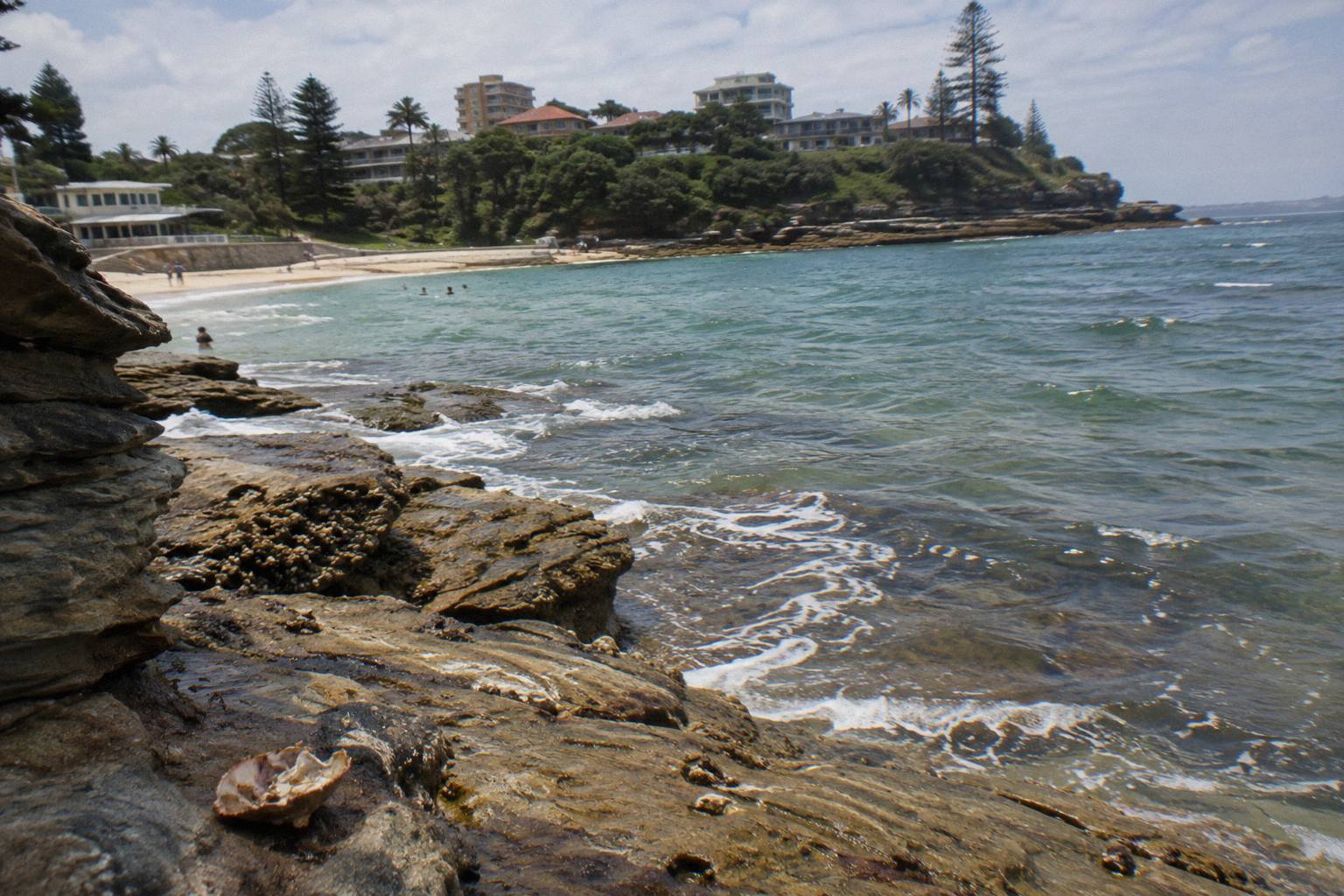
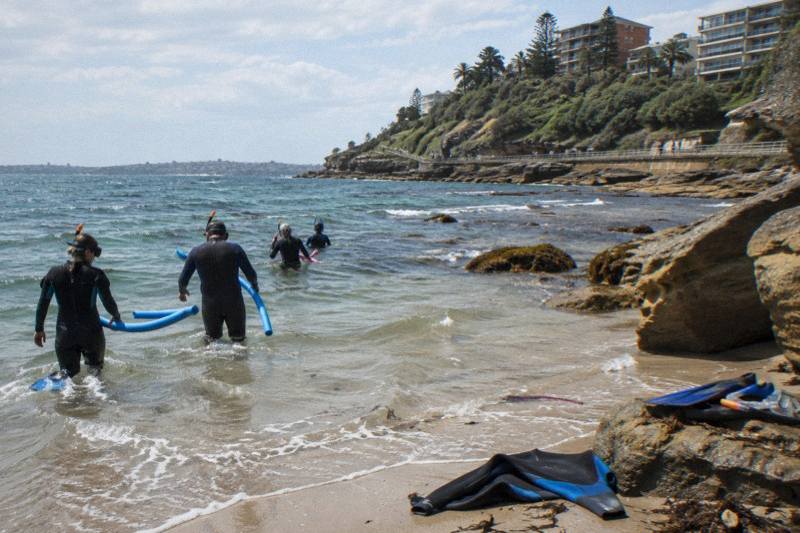
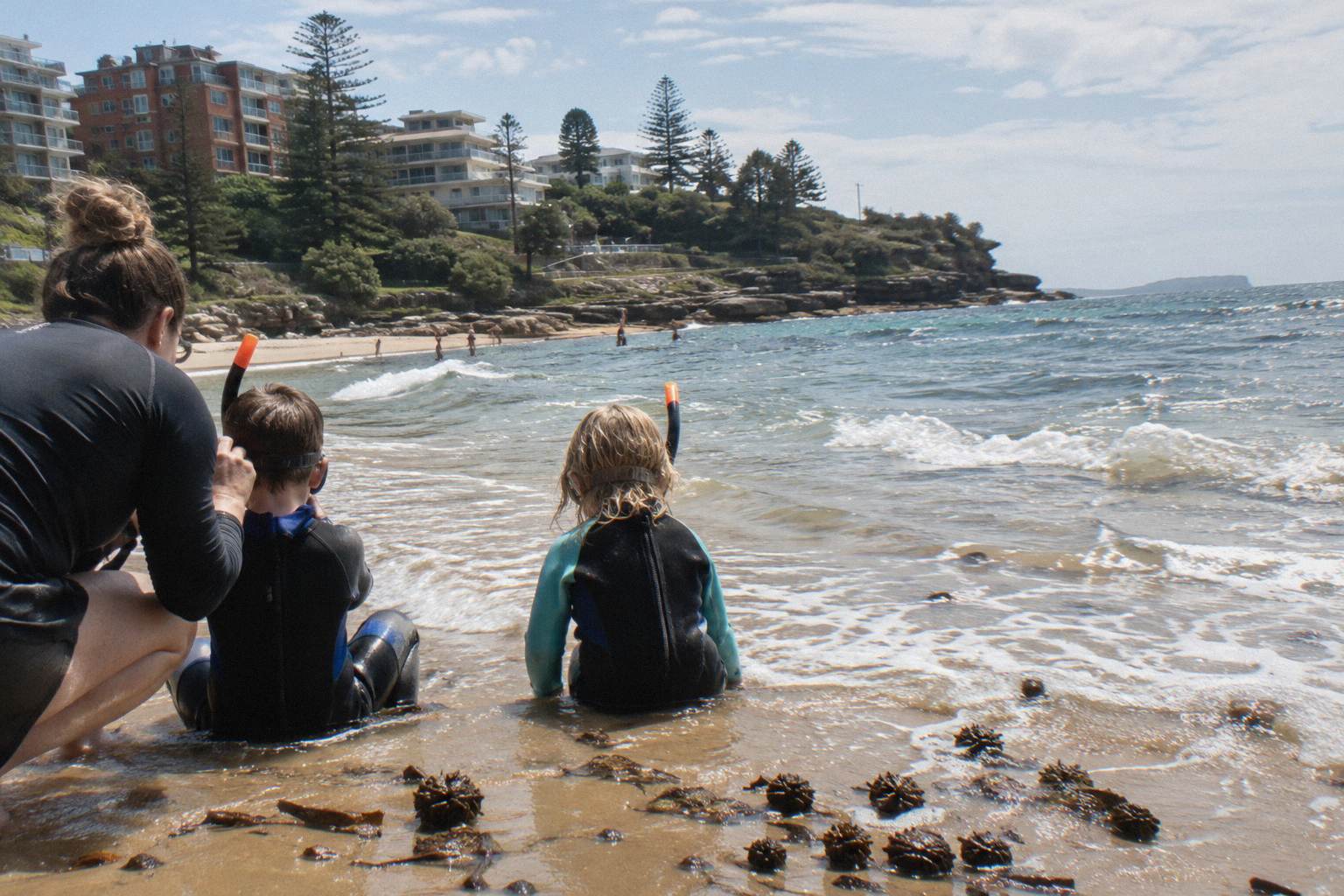
For anyone joining a tour, the geography works in your favour. Shelly Beach, the usual launch point for guided snorkelling in the bay, is reached from the Manly ferry wharf by what EcoTreasures calls a flat and scenic 30-minute walk through Manly village and along the beachfront. The Small Group Manly Snorkel Tour With Nature Walk meets on the sand in front of the Boat House Cafe at 1 Marine Parade, which places you inside the reserve's boundary the moment you pull on a mask. Parking near Shelly Beach is limited, and EcoTreasures warns of 30 minutes or more to find a park, so the ferry-and-walk route is the one most tour guests take.
The protection is what makes the bay worth snorkelling in the first place. An area where nothing is taken, nothing is fed and nothing is disturbed keeps its fish, its weed and its reef in something close to a natural state, and the operator's species list for the bay runs to over 200 species. That list is the operator's own, and its own caveat applies to every one of them: wildlife sightings are never guaranteed.
The No Take Rules, In Plain Words
The rules of the reserve ban fishing by any method, harming marine animals or plants, and collecting anything, dead or alive, including empty shells. They also ban touching, chasing, moving or disturbing marine animals or plants, feeding fish by any method, and moving rocks. Permitted activities are swimming, snorkelling, diving, surfing, underwater photography and tours with operators. The council publishes the rules on its Cabbage Tree Bay Aquatic Reserve page, and the state fisheries wording agrees with it. Nothing in the list is complicated, but a few items catch visitors by surprise, especially the ones that extend to things already dead.
The shell rule is the classic trap. A washed-up shell on the sand, a piece of cuttlefish bone, a dead starfish: all of it stays where it lies. Collecting is banned without exception for dead material as well as living creatures, so the souvenir you pocket on the walk back is a breach of the reserve rules, not a harmless keepsake. The same logic covers the rockpools. Turning a rock over to look underneath counts as moving rocks, which the rules prohibit, because the underside of a rock is habitat for the small creatures the whole food web rests on.
| You May | You May Not |
|---|---|
| Swim, snorkel and dive anywhere in the reserve | Fish by any method, including spearfishing |
| Surf and swim with fins | Collect anything, dead or alive, including empty shells |
| Take underwater photographs | Touch, chase, move or disturb marine animals or plants |
| Join a tour run by an operator | Feed fish by any method |
| Walk the headland and watch from above | Move rocks, including in rockpools |
| Look into rockpools without touching | Harm any marine animal or plant |
The feeding ban deserves its own sentence, because it changes how a guided tour works. In some overseas snorkel spots, operators chum the water or hand-feed fish to guarantee a spectacle. Nothing like that happens here: feeding fish by any method is prohibited, so the fish a snorkeller sees in Cabbage Tree Bay are there because the bay supports them, not because a guide has trained them to gather. A tour's value lies in knowing where animals naturally gather and how to watch them without disturbing them, which is a different skill and, over a whole bay, a more durable one.
Touching and chasing are the two rules most easily broken by accident rather than intent. A snorkeller who reaches out to steady themselves on a boulder covered in growth, or who swims fast at a wobbegong to get a closer look, is breaching the reserve rules in both cases. The permitted list is deliberately generous on the watching side: underwater photography is explicitly allowed, so a camera is fine, provided the camera and its owner keep their distance from the animals. Operators brief guests on exactly these points before entering the water, and that briefing is one of the quiet advantages of a guided trip over an independent swim.
Three Manly trips fit a rules-first visit well, each with a different shape:
The Shelly Beach Open Group And One-On-One Snorkel is the shortest of them at about 1 hour with a group maximum of 6, meeting beside the yellow-red solar lifesaving pole at Shelly Beach. Wetsuits are listed as an excluded extra on that trip rather than included equipment, so plan for that when packing.
Why The Rules Exist And What They Protect
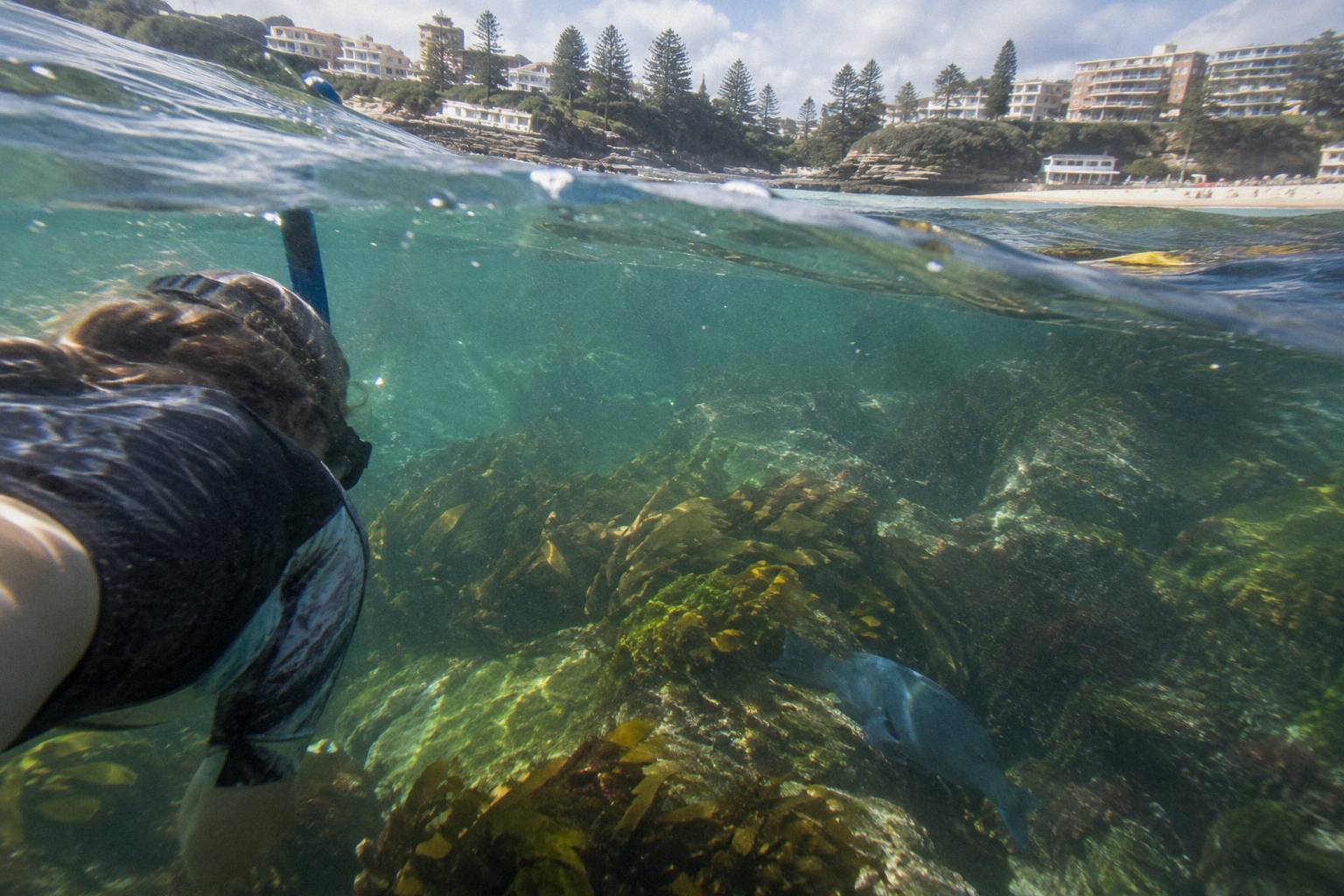
The No Take rules exist because Cabbage Tree Bay functions as a small, fully protected sample of a Sydney headland ecosystem, and because the bay's most famous resident, the eastern blue groper, has needed legal protection for more than fifty years. Spearfishing for the species was banned in 1969, commercial fishing was banned in 1980, and a recreational line-fishing ban introduced in 2024 has been extended to March 2028, per the NSW government. The groper is the NSW state fish, and the state's protection of it runs in parallel with the reserve's own No Take status. EcoTreasures describes the species as near-threatened, in the operator's own words, and it appears on the operator's species list for the bay.
The groper is the animal most snorkellers want to see and the one whose presence says the most about the reserve. A big, long-lived fish that lives on the reef is exactly the kind of species that disappears first from fished water and returns last, so seeing one inside the bay is a direct read-out of what 1993's intertidal protection and 2002's full reserve status bought. The species list the operator keeps for the bay also includes blue groper alongside wobbegong, eagle ray, Port Jackson shark in winter into spring, giant cuttlefish in autumn and winter, dusky whaler in summer into autumn, Maori wrasse, crimson-banded wrasse and green turtle. Every one of those is a "may be seen", never a promise, and the operator's own wording, that wildlife sightings are never guaranteed, applies to all of them.
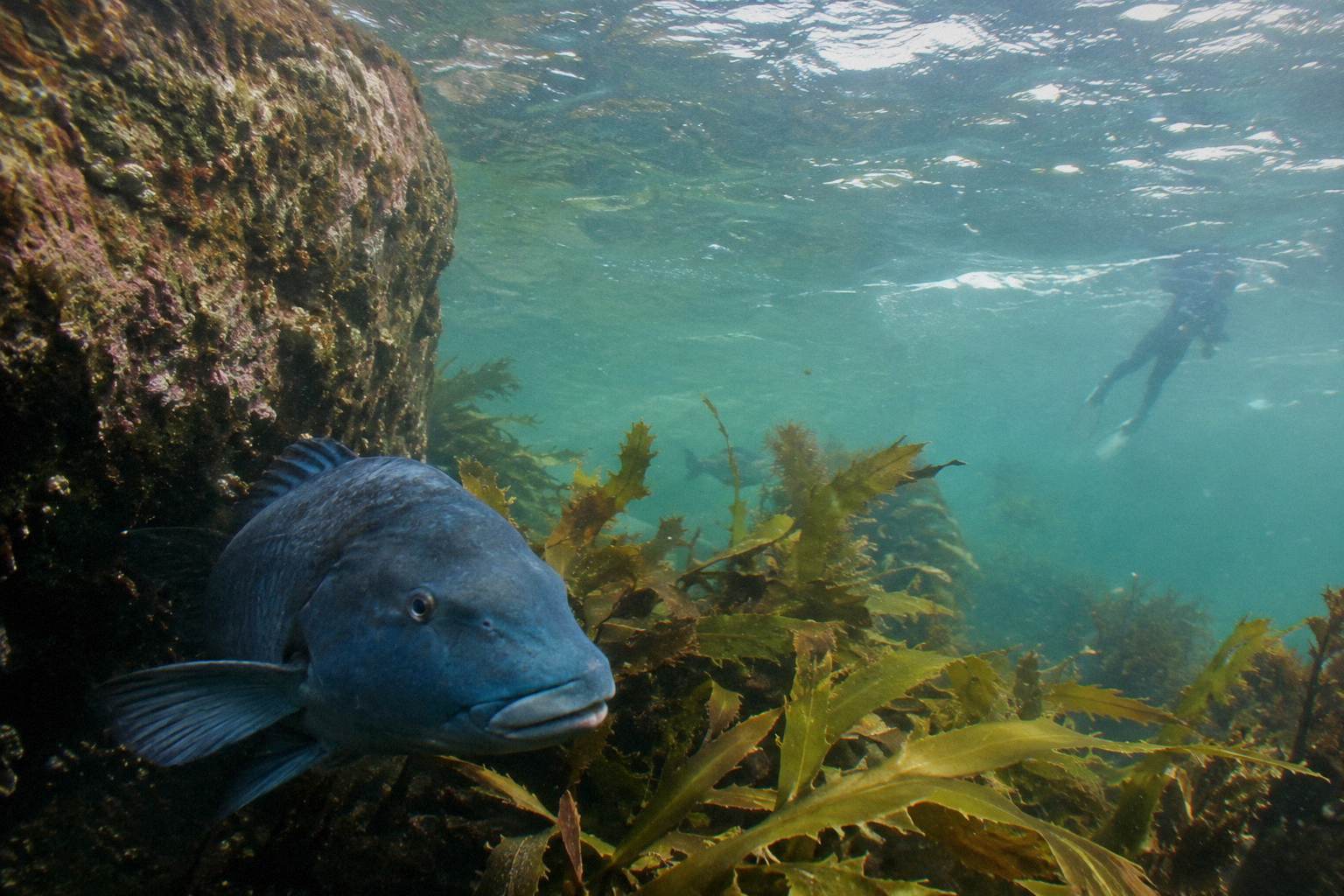
The Australian Museum adds a detail that shows how localised the bay's marine life is: juvenile dusky whalers, 1 to 2 m long, are regularly sighted in the Shelly Beach and Fairy Bower area, and are reported to leave when winter drops the water temperature below about 17 °C. Fairy Bower, it should be said, is one of the alternative sites Dive Centre Manly says it may use depending on conditions, alongside Shelly Beach and Fairlight, so a guided trip is not always inside the reserve boundary even when it starts from Manly. Wherever the site, the same principle the reserve embodies, look and do not take, travels with the guide.
The reason a guided tour often satisfies first-time visitors better than an independent swim is that a guide carries the rules and the species knowledge in one package. The state government's protection of the eastern blue groper, extended to March 2028, is the kind of detail a guide can put words to on the day, alongside the practical instruction that keeps a group off the reef and away from the animals. The Small Group Manly Snorkel Tour With Nature Walk builds this into its structure: a 30-minute headland eco walk about Cabbage Tree Bay's wildlife and habitats, with binoculars, before a 1-hour snorkel. It runs from US$84 per person (amounts in this article are US dollars), rated 4.7 from 220+ reviews, and you can check dates and free cancellation up to 24 hours on the operator's page: Check availability.
A Short Timeline Of Protection At Cabbage Tree Bay
Cabbage Tree Bay's protection arrived in two steps: intertidal protection from 1993 to 2002, then full No Take Aquatic Reserve status in March 2002, covering about 20 hectares of bay, shore and beach. The eastern blue groper's protection is older still, running from the 1969 spearfishing ban through the 1980 commercial ban to the recreational line-fishing ban now extended to March 2028. Reading the dates side by side shows a pattern: each layer was added after the previous one proved insufficient, and each one widened the circle of what is left alone.
| Year | What Changed |
|---|---|
| 1969 | Spearfishing for the eastern blue groper banned |
| 1980 | Commercial fishing for the groper banned |
| 1993 | Cabbage Tree Bay declared an intertidal protected area |
| 2002 | Bay upgraded to a No Take Aquatic Reserve in March 2002 |
| 2024 | Recreational line-fishing ban on the groper begins |
| 2028 | Line-fishing ban extended to March 2028 |
The nine-year intertidal phase from 1993 to 2002 is the part of the story people skip, and it matters because it explains the boundary. An intertidal protected area guards the strip between high and low tide: the rockpools, the cunjevoi, the crabs. It does nothing for the fish in the bay itself. When snorkelling grew around Shelly Beach, the gap showed, and the 2002 declaration pulled the whole bay, its rocky shores and its beaches into one No Take unit. The neighbouring Shelly Beach Headland Intertidal Protected Area continues the older style of protection on the headland side, which is why the council lists the two separately even though a visitor experiences them as one stretch of coast. The full index of guides sits on Manly Snorkel Tours.
For a tour guest, the timeline is not trivia: it is the answer to the question of why the fish here behave differently. Reserve rules change the odds of what you see from the inside out. That framing works especially well for families with curious children, and the best beginner and kids snorkel tours in Sydney picks up the age and swimming side of that decision.
Dogs, Penguins And The Rules Just Outside The Bay
The reserve's rules connect outward to two neighbouring sets of protections: a council ban on dogs on the beaches and rockpools, and the endangered little penguin colony on the harbour side of North Head, whose habitat is an Area of Outstanding Biodiversity Value with its own official access rules. No snorkel tour visits the penguins, and Store Beach, one of the kayaking stops nearby, is not a snorkel stop. The NSW environment department records that in 2002 the Manly colony was listed as an endangered population and its important habitat as critical habitat, now known as an Area of Outstanding Biodiversity Value. Dogs are not permitted in Sydney Harbour National Park.
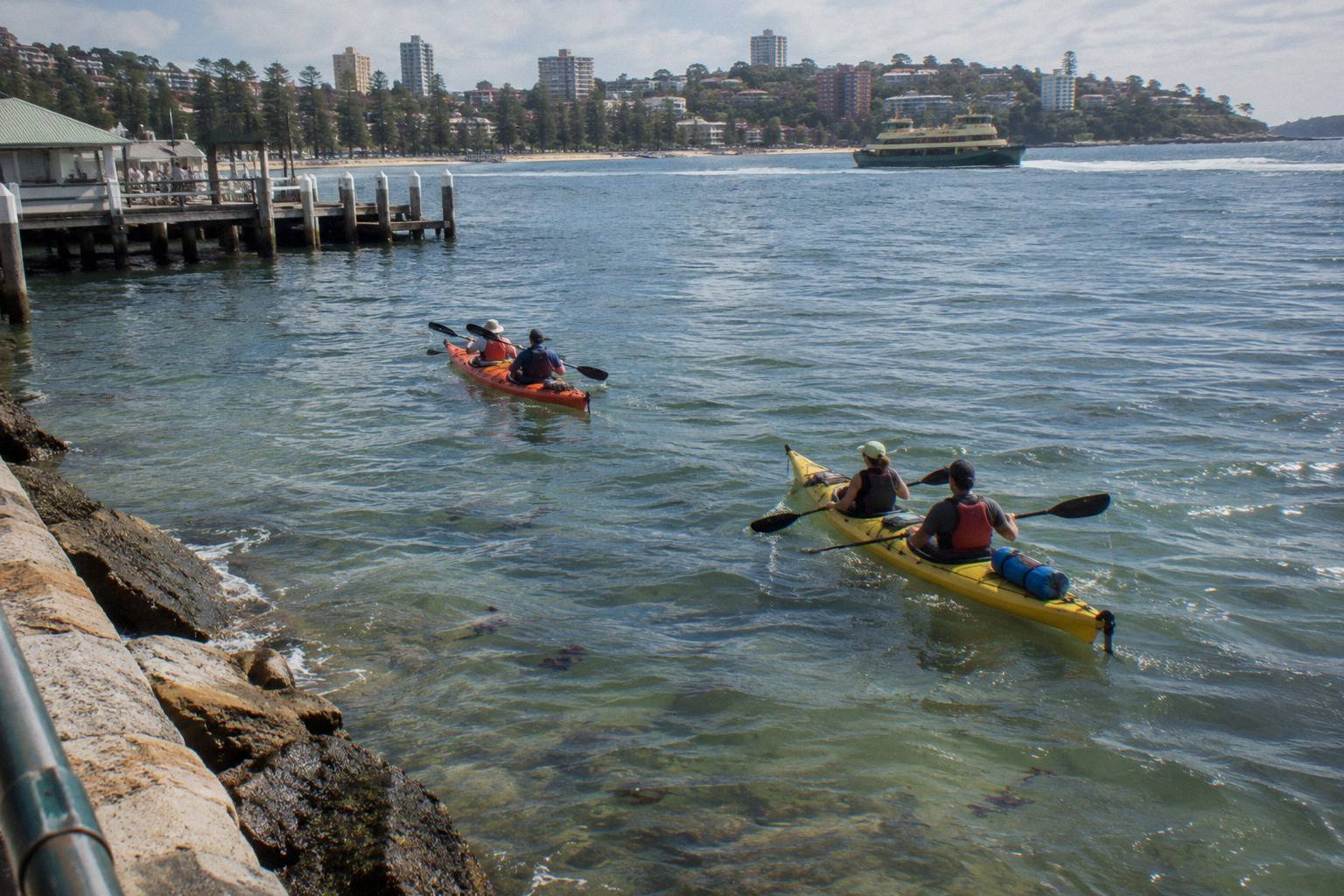
The penguin colony is on the harbour side of the North Head peninsula, not in Cabbage Tree Bay, so the two protections rarely meet on a snorkeller's route. They meet in one practical way: if a day at Manly includes a dog, the dog stays home. The council's wording is plain, no dogs allowed on the beaches or rockpools, and the national park rules close the rest of the peninsula to dogs as well. Penguins come ashore at night within their protected habitat, which has official access rules of its own, and the environment department's little penguin page is the source to read before any visit to that side of the headland. No tour on the Manly pages goes there.
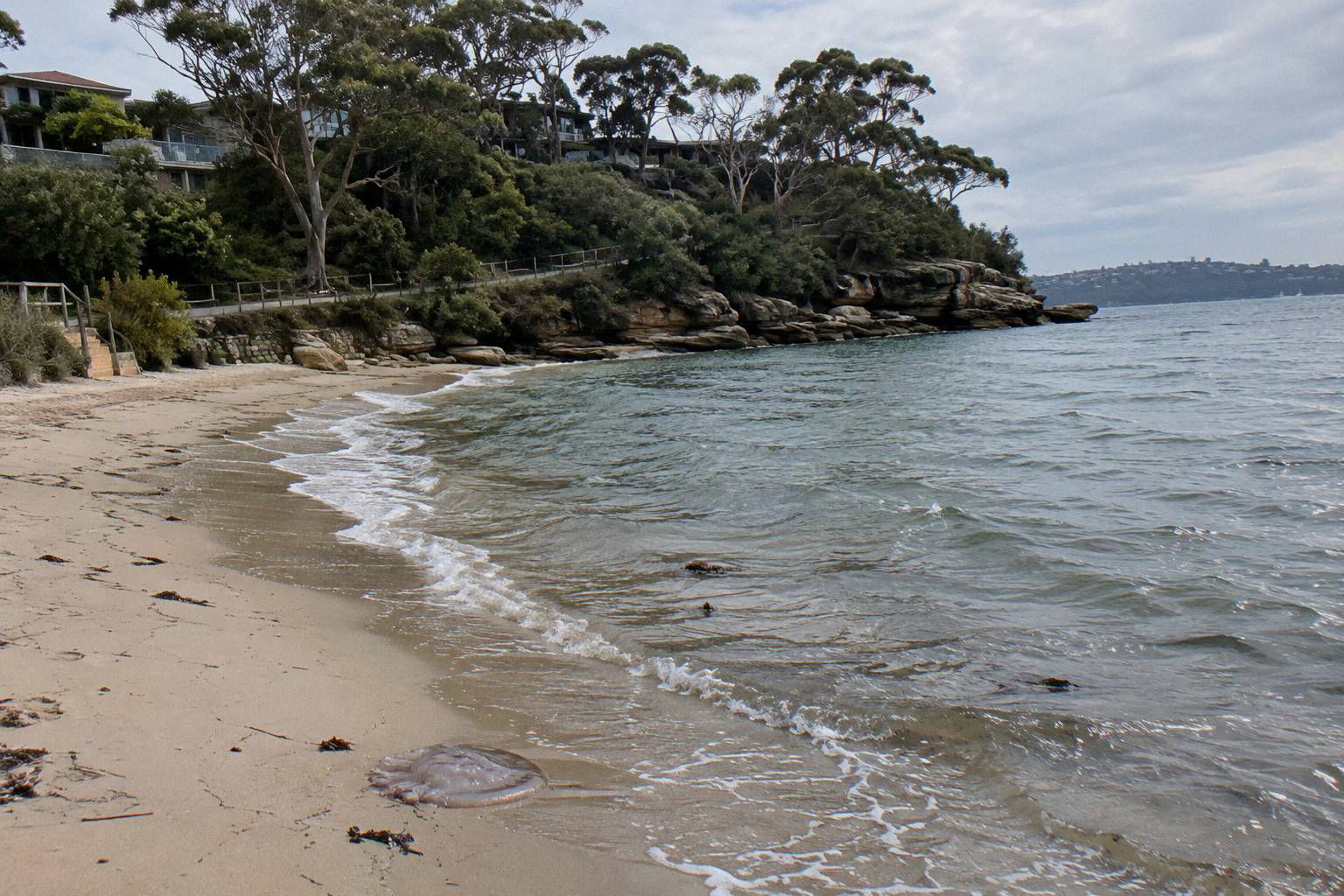
The kayak companion trip on the site, the Manly Cove Kayak Tour, paddles the harbour side and lists Store Beach and Quarantine Beach among its stops, both kayak stops only, with no snorkel kit listed among its inclusions. It runs from US$74 per person, rated 4.8 from 190+ reviews, and it is worth naming here only to draw the line clearly: the penguin-adjacent beaches are paddle-past places, not places a tour puts snorkellers in the water. More background sits in the little penguins planning around a snorkel tour article.
Inside the bay itself, the practical rules for a visitor reduce to a short list, and it is the same list whether you swim with a guide or alone: take nothing, touch nothing, feed nothing, move no rocks, and keep the dog at home. What a guided trip adds is a briefing that covers those points before you get wet, plus a guide who watches the group and the conditions. The guides versus solo snorkelling at Shelly Beach comparison works through that trade-off in full.
Do Guided Tours Handle The Rules For You?
Guided tours do not exempt anyone from the reserve rules, and every snorkeller in the bay, guided or not, is bound by the same No Take restrictions. What an operator adds is a pre-swim briefing on the rules and the day's conditions, a guide in the water who keeps the group clear of the reef and the animals, and, on some trips, an educational walk that explains why the bay is protected at all. Tours with operators are explicitly listed among the reserve's permitted activities, so going guided is fully inside the rules, not a loophole around them.
EcoTreasures states that conditions are assessed before each tour, and the Small Group trip's booking page adds that the guide can cancel for weather or too few guests. The Small Group trip is also the strictest on swimming: all participants must swim 150 m unassisted, float and tread water, and the booking page says non-swimmers should not book. The Guided Snorkel With A PADI Guide, Dive Centre Manly, from US$64 per person for 2.5 hours, meets at the dive shop at 10 Belgrave Street, a two-minute walk from the ferry wharf, and includes snorkelling equipment and a local PADI guide; ask the operator what swimming standard that trip expects when you book.
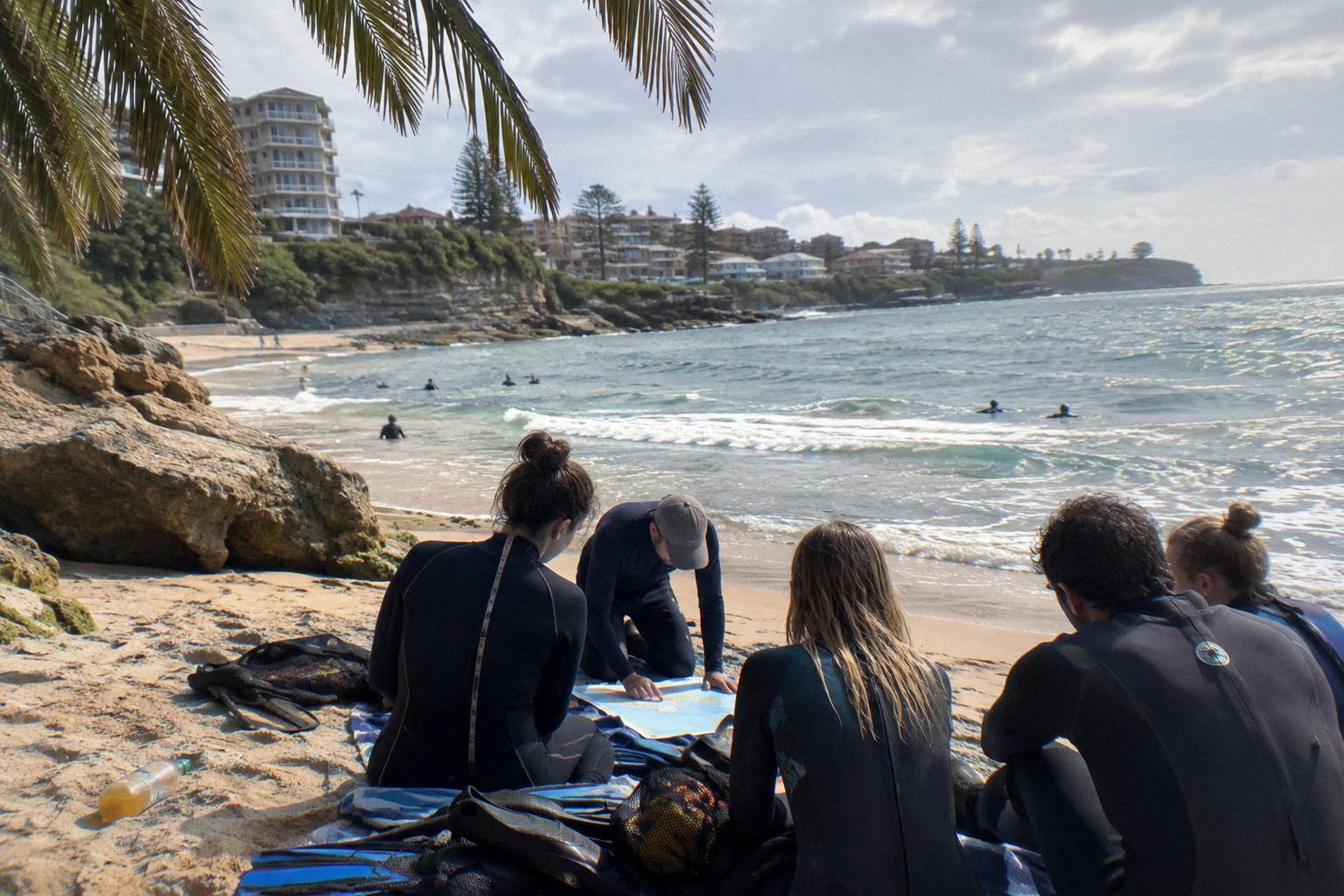
The Shelly Beach Open Group And One-On-One Snorkel suits a visitor whose main question is the rules rather than the swim. At about 1 hour with a maximum of 6 guests, a guide and snorkelling equipment included, it is the shortest guided introduction to the bay on the site, and its one-to-one format is available for anyone who wants closer attention. Ask the operator what swimming standard the open-group trip expects, since its booking page does not carry a swim test the way the Small Group page does.
For a family, the Private And Family Snorkel, EcoTreasures, runs about 2 hours with all equipment included, wetsuits among it, plus free photos, and the booking page carries free cancellation up to 24 hours before start. Ask the operator about ages and swimming ability for a private booking, and note the booking page lists pregnancy as not recommended, with a moderate fitness level expected; check with your doctor and tell the operator when you book.
A practical checklist before booking any trip in the bay, built from the rules themselves:
| Ask The Operator | Why It Matters |
|---|---|
| How does the briefing cover the No Take rules? | Every guest is bound by them, guided or not |
| What swimming standard does the trip expect? | The Small Group trip requires 150 m unassisted; other pages differ |
| Is a wetsuit included or an extra? | Wetsuit status differs trip by trip; the open-group trip lists it as excluded |
| Where do we meet, and how early? | Meeting points range from the Boat House Cafe sand to the dive shop to the lifesaving pole |
| What happens if conditions are poor on the day? | Operators assess conditions before each tour and can cancel |
The pattern across all of it is that the reserve rules are not a burden on a snorkel tour, they are the product. A bay where nothing is taken, fed or chased is a bay where the animals go about their business near swimmers, and a guide's job is to put a small group in the right part of it at the right time without breaking any of those rules. Manly Snorkel Tours covers the full set of guided options across the site for exactly that reason.
What Trips People Up Before A Snorkel Tour
The most common mistakes happen before anyone gets wet: collecting a shell or cuttlefish bone as a souvenir, turning rocks in the rockpools, arriving without the swimming ability a trip requires, and assuming Shelly Beach is patrolled year-round. The rules ban all collecting including empty shells and all rock-moving, the Small Group trip requires a 150 m unassisted swim, and Shelly Beach will be patrolled from 21 December to 31 January 2027. That patrol window is the council's own wording for the 2026/27 season, the first time Shelly Beach has had peak-summer patrols, and outside that window the beach is unpatrolled. Manly Beach, by contrast, is patrolled year-round per the council's beaches page. Beachsafe lists sharks, bluebottles and rips among the hazards for Shelly Beach, with waves kept low because the beach faces west and swell is refracted round Blue Fish Point.
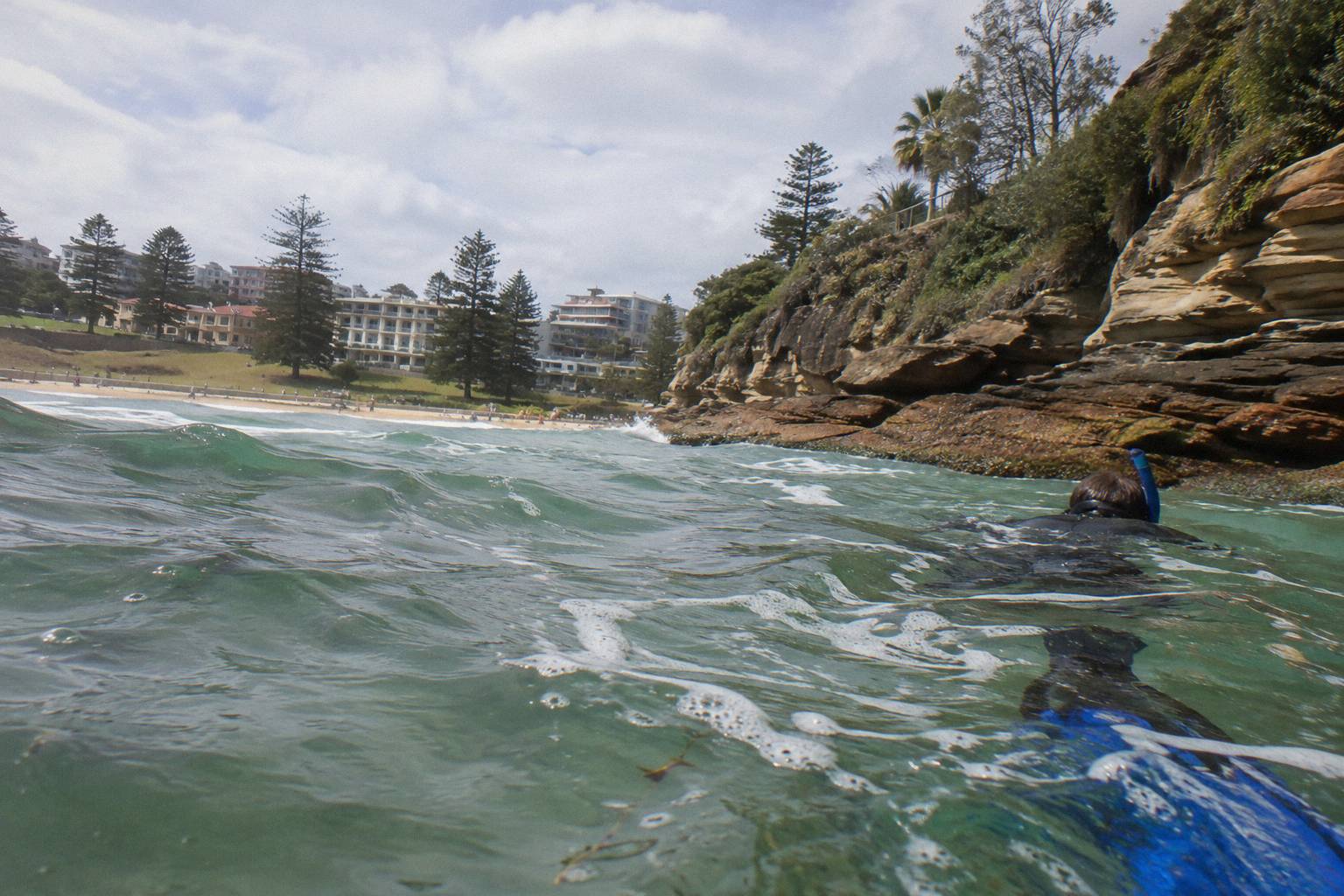
The swim test is the mistake that ends days. A traveller who books the Small Group Manly Snorkel Tour With Nature Walk without being able to swim 150 m unassisted, float and tread water will run into a rule the booking page states plainly, and the page's own wording says non-swimmers should not book. The do I need to swim to join a snorkel tour post works through the options in more depth. Pregnancy is the other exclusion to check early: the Small Group booking page does not permit pregnant travellers, and check with your doctor and tell the operator when you book on any trip.
Arrival and packing trip people up in smaller ways. The Shelly Beach open-group trip asks for up to 15 minutes early beside the lifesaving pole. Parking at Shelly Beach is limited, with EcoTreasures warning of 30 minutes or more to find a park, so the ferry and the flat, scenic 30-minute walk is the reliable route. Bluebottles are common in warmer months, and Beachsafe's first aid wording is to rinse with seawater, remove tentacles and use hot water for 20 minutes. None of that is a reason to skip the bay; it is the short list of things to know before you stand on the sand.
With the rules understood, the three Manly guided options stand ready:
- Small Group Snorkel, Nature Walk
- Clearview Kayak Tour
- 1.5-Hour Snorkel
- 1-Hour Snorkel, One-On-One Option
- Private Family Snorkel
- PADI Guide, 2.5 Hours
- Dive Centre Guided Snorkel
- Private 4-Hour Snorkel
Common Questions About The Cabbage Tree Bay Aquatic Reserve
Can You Collect Shells In Cabbage Tree Bay Aquatic Reserve?
No. The reserve is No Take, and collecting anything, dead or alive, including empty shells, is banned. Shells, cuttlefish bone and washed-up remains all stay where they lie, and the ban applies to the rocky shores and beaches as well as the water.
Can You Fish In Cabbage Tree Bay Aquatic Reserve?
No. Fishing by any method is banned throughout the reserve, which covers the entire bay, the rocky shores and the beaches from the southern end of Manly Beach to the northern end of the Shelly Beach Headland. Spearfishing is equally banned.
Is Snorkelling Allowed In The Cabbage Tree Bay Aquatic Reserve?
Yes. Swimming, snorkelling, diving, surfing, underwater photography and tours with operators are all listed as permitted activities. The No Take rules govern what you may take and touch, not whether you may enter the water.
Can You Touch Or Feed The Fish In The Reserve?
No. Touching, chasing, moving or disturbing marine animals or plants, and feeding fish by any method, are all prohibited. Watching from a respectful distance and taking photographs are fine.
How Big Is The Cabbage Tree Bay Aquatic Reserve?
About 20 hectares per the council, covering the entire bay, the rocky shores and the beaches from the southern end of Manly Beach to the northern end of the Shelly Beach Headland. One other source says 17 hectares, so treat the figure as approximate.
Do Guided Snorkel Tours Follow The Reserve Rules?
Guided tours operate within the rules, and tours with operators are explicitly permitted in the reserve. Operators brief guests before entering the water, assess conditions before each tour, and keep groups clear of the reef and the animals, but every snorkeller is personally bound by the same No Take rules.