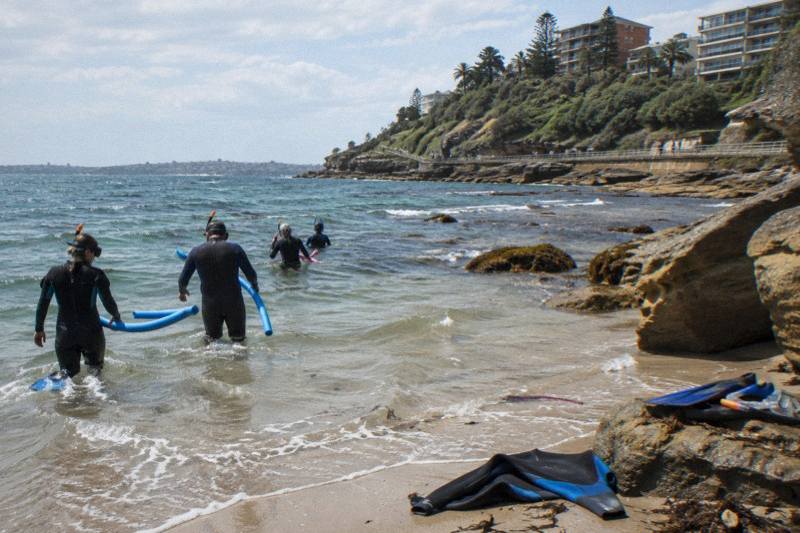
Do I Need A Wetsuit On A Snorkel Tour In Sydney?
Wetsuit rules differ trip by trip in Sydney: which tours include one, which charge extra, and what the water temperature means for your choice.
Short answer
Sydney sea temperature runs at about 18 to 23 °C through the year, so many snorkellers wear a wetsuit in the cooler months and swim without one in the warmer months. Each trip differs: the Private And Family trip includes wetsuits, the Small Group trip offers options on the day, and the Shelly Beach open-group trip lists the wetsuit as an extra.
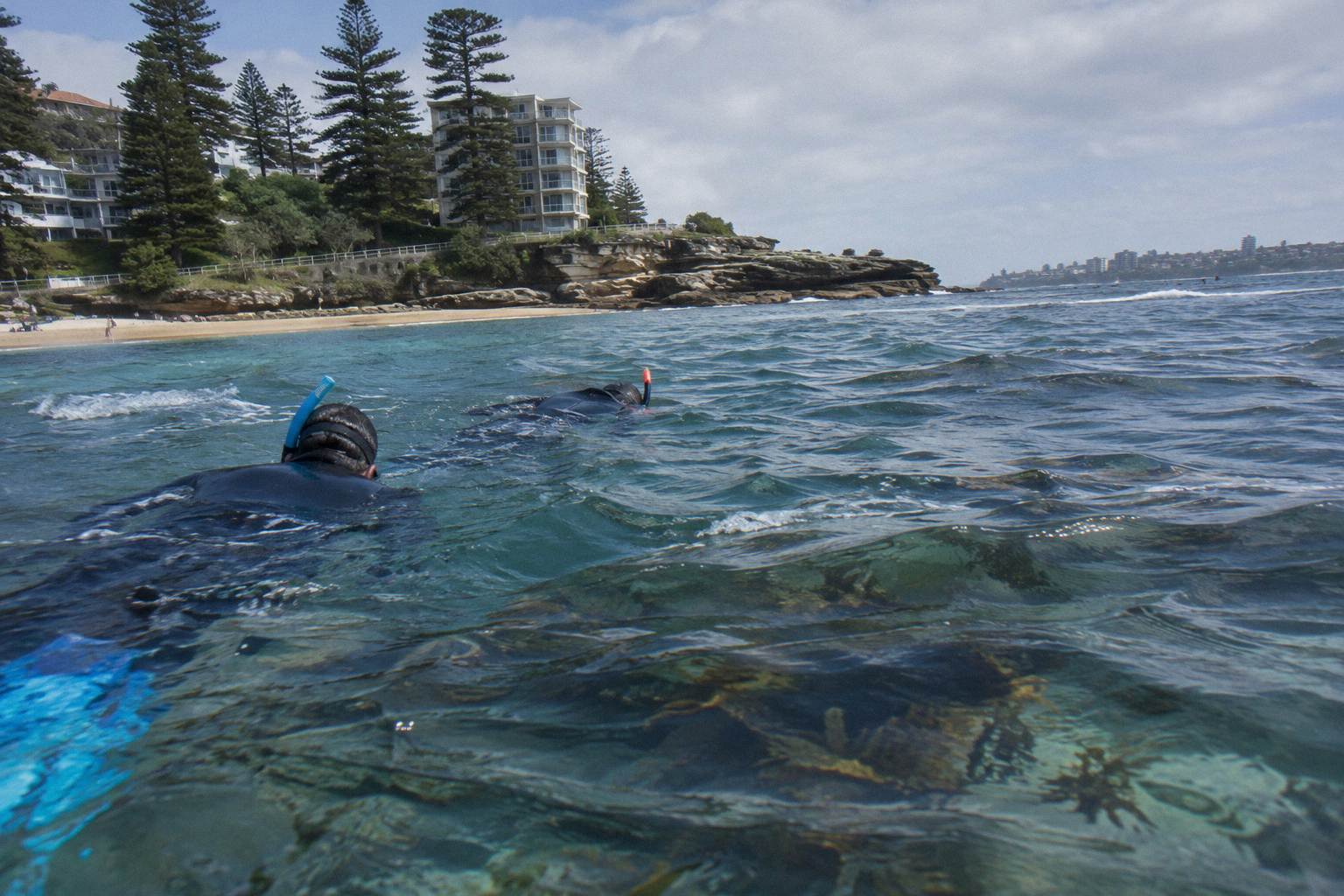
Before the detail, compare the trips on the parent hub: Manly group snorkel tours. Start with the water itself. Sydney's sea temperature runs at about 18 to 23 °C through the year, according to secondary sea-temperature sources, with cooler months and warmer months inside that band. Whether you need a wetsuit therefore depends on the season, how long you plan to stay in the water, and, just as much, on which trip you book, because wetsuit treatment differs from trip to trip. Before the detail, the Shelly Beach open-group and one-on-one snorkel page shows how one trip frames its equipment terms, and equipment inclusions vary between trips more than almost anything else.
Quick Facts
| Fact | Detail |
|---|---|
| Sea temperature range | About 18 to 23 °C through the year, approximate |
| Warmest month | February |
| Coldest water | The cooler months of the year |
| Wetsuit included | Private And Family Snorkel, EcoTreasures (wetsuits listed in equipment) |
| Wetsuit options on the day | Small Group Manly Snorkel Tour With Nature Walk (rash vest, spring wetsuit, steamer) |
| Wetsuit as a paid extra | Shelly Beach Open Group And One-On-One Snorkel; Clovelly Snorkel Tour Near Bondi (rental excluded) |
| Visibility claim | Varies with swell and rain; ask the operator on the day |
| Water time | Small Group trip: 1 hour snorkel; Private And Family: up to 1 hour in the water; open group: about 1 hour total |
You do not always need a wetsuit on a Sydney snorkel tour, because it comes down to the season and the trip: the water sits at roughly 18 to 23 °C through the year, so many snorkellers swim without one in the warmer months and wear one in the cooler months, while the trip itself either includes wetsuits, offers them on the day, or lists one as an extra.
Secondary sea-temperature sources put the annual range at about 18 to 23 °C. Those are approximate planning figures, not a monthly forecast, and no per-month number should steer your packing list. What they tell you is simple: the water never reaches bathtub warmth, and it never approaches truly cold southern-ocean temperatures either. The warmer months sit near the top of the range, the cooler months near the bottom.
That range matters differently for different swimmers. An hour in 23 °C water feels comfortable to most people in a swimsuit. An hour in 18 °C water is a different proposition, and that is exactly the water time the main trips offer: the Small Group Manly Snorkel Tour With Nature Walk includes a 1-hour snorkel, the Private And Family trip allows up to 1 hour in the water, and the Shelly Beach open-group trip runs about 1 hour in total. Duration in the water is what turns a cool swim into a cold one.
The question also has a booking dimension, because wetsuit treatment is one of the clearest differences between the trips. If a wetsuit matters to you, check what each page says before choosing, and ask the operator directly when a page leaves the question open.
What Water Temperature Should You Plan For?
Plan for water between about 18 and 23 °C, cooler in the cooler months and warmer in the warmer months. These figures come from secondary sea-temperature sources, not an official bureau table, so treat them as a planning band rather than a promise. No verified per-month figure exists, so your decision should follow the season rather than a single number.
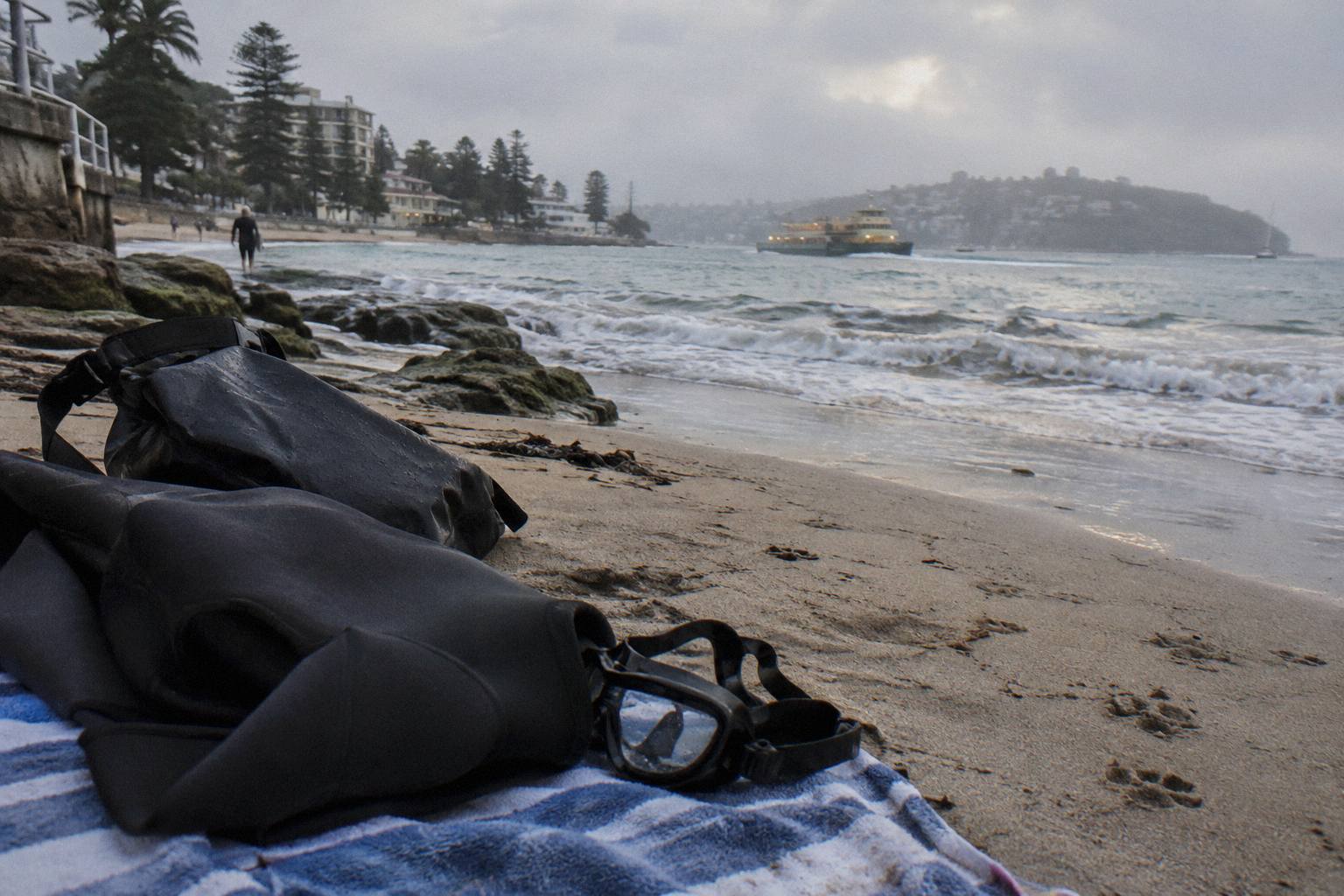
The practical reading of that band: a summer booking in the warmest months, with about an hour in the water, is comfortable for many swimmers in a rash vest or swimsuit. A booking in the coldest months is where a full wetsuit earns its place, and where the trips that include one or offer options on the day have a real advantage. Spring and autumn sit between the extremes, and personal tolerance does the rest.
Visibility is a separate question, and one worth asking the operator about on the day, because it varies with swell and rain. Visibility does not change how warm you will be, but it can change how long you happily stay in the water, which feeds back into the wetsuit decision. A clear day invites a longer swim, and a longer swim in cool water is easier in a wetsuit.
If you want a deeper look at the seasonal picture before booking, the guide to Sydney water temperature by month for snorkel tours works through what the range means for planning, within the same approximate band. For the cold-water side of the argument, the post on whether winter is a good time for a snorkel tour in Sydney covers the coldest-month case in detail.
Which Trips Include A Wetsuit And Which Charge Extra?
The Private And Family Snorkel, EcoTreasures lists wetsuits among its included equipment. The Small Group Manly Snorkel Tour With Nature Walk offers wetsuit options on the day, per its booking page: a rash vest, spring wetsuit or steamer. The Shelly Beach Open Group And One-On-One Snorkel lists the wetsuit as an excluded extra, and the Clovelly Snorkel Tour Near Bondi lists wetsuit rental as excluded. Other pages do not say, so ask the operator.
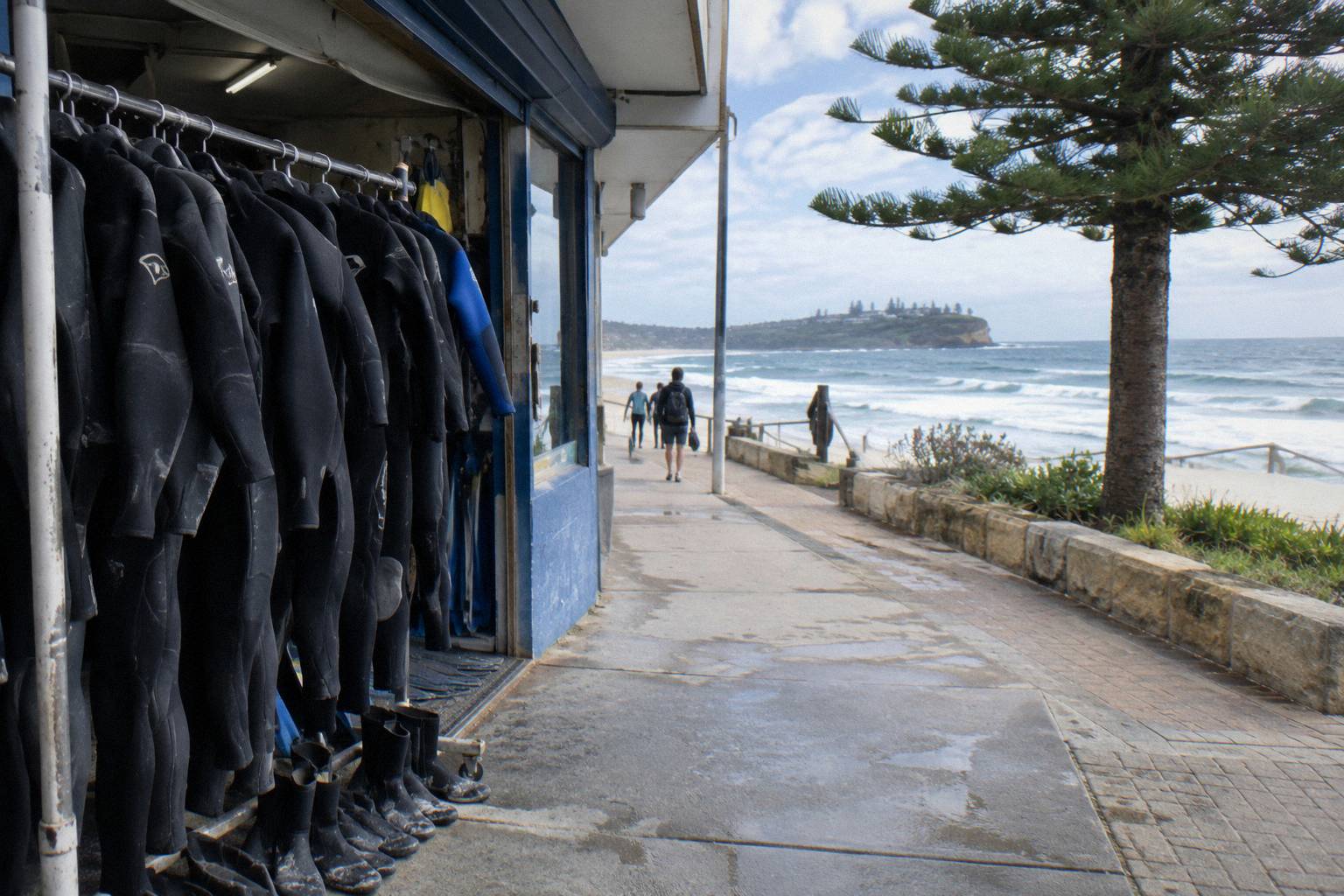
This per-trip spread is the single most useful thing to know about wetsuits in Sydney, because two travellers on the same beach on the same morning can face completely different equipment situations. The table below sets out each trip's equipment terms. Where a detail is unknown, ask the operator when booking, since gear arrangements can be settled at the desk long before the meeting point.
| Trip | Wetsuit status | Where it comes from |
|---|---|---|
| Small Group Manly Snorkel Tour With Nature Walk | Options on the day: rash vest, spring wetsuit, steamer; not in the inclusions list | The booking page |
| Guided Snorkel With A PADI Guide, Dive Centre Manly | Ask the operator | Check when booking |
| Shelly Beach Open Group And One-On-One Snorkel | Extra, not included; underwater photo package also extra | The booking page |
| Private And Family Snorkel, EcoTreasures | Included: masks, wetsuits, fins and foam floating noodles | The booking page |
| Manly Cove Kayak Tour | Ask the operator (kayak trip, no snorkel kit listed) | Check when booking |
| Clovelly Snorkel Tour Near Bondi | Wetsuit rental excluded | The booking page |
| Bondi Guided Snorkel, Dive Centre Bondi | Ask the operator | Check when booking |
| Private Bondi And Gordons Bay Snorkel, EcoTreasures | Ask the operator | Check when booking |
The pattern is worth reading as a booking tactic rather than a ranking. Operators are not being compared here, only their stated equipment terms. If a wetsuit is the deciding factor for a winter booking, the pages that state their wetsuit position give you certainty, and the pages that leave the question open give you a question to send before you pay. Free cancellation up to 24 hours before start is stated on the booking pages of seven of the trips, so a pre-booking question carries little risk.
The open-group page deserves a closer look for exactly this reason. Its gear list includes snorkel equipment and a guide, names the wetsuit and an underwater photo package as extras, and keeps the whole session to about an hour with a maximum of 6 swimmers. For someone unsure whether they want a wetsuit at all, an hour-long session where the wetsuit is an add-on is a low-commitment way to test your own tolerance in Sydney water, and you can check availability if the format already fits.
What Wetsuit Choices Exist On The Small Group Trip?
The Small Group Manly Snorkel Tour With Nature Walk lists three wetsuit options you can use on the day: a rash vest, a spring wetsuit, or a steamer. Since the booking page names these options without listing a wetsuit among the inclusions, treat them as real but confirm your preference with the operator when booking.
A rash vest is a warm-month choice, useful for sun cover as much as warmth. A spring wetsuit covers the shoulder seasons when the water sits in the middle of the range. A steamer, the full-length suit, is the cool-water option, and the coolest months are what it exists for. Naming your preference ahead of the day removes the one decision you would otherwise make on the sand.
The trip's other facts stay the same whichever suit you choose. It meets at Shelly Beach in front of the Boat House Cafe at 1 Marine Parade, runs with a maximum of 8 guests, includes mask, fins and foam floating noodles, and pairs the snorkel with binoculars for the headland walk. The swim standard is strict: 150 m unassisted, plus floating and treading water, and the page says non-swimmers should not book. Wetsuit choice does not soften the swim test, it only changes how warm you are while meeting it.
Figures for the trip, for orientation: from US$84 per person, all amounts in US dollars, rated 4.7 from 220+ reviews, the page with the most reviews among the trips covered here. Free cancellation applies up to 24 hours before start, and the guide can cancel for weather or too few guests.
What Can You Wear Instead Of A Wetsuit?
A rash vest is the main alternative, and it is one of the named options on the Small Group trip. A plain swimsuit works for plenty of swimmers in the warmest months, given water at the top of the 18 to 23 °C band and about an hour in the water. Only warmth separates a rash vest from a wetsuit, and sun cover comes free with either, so the choice is about tolerance rather than protection.
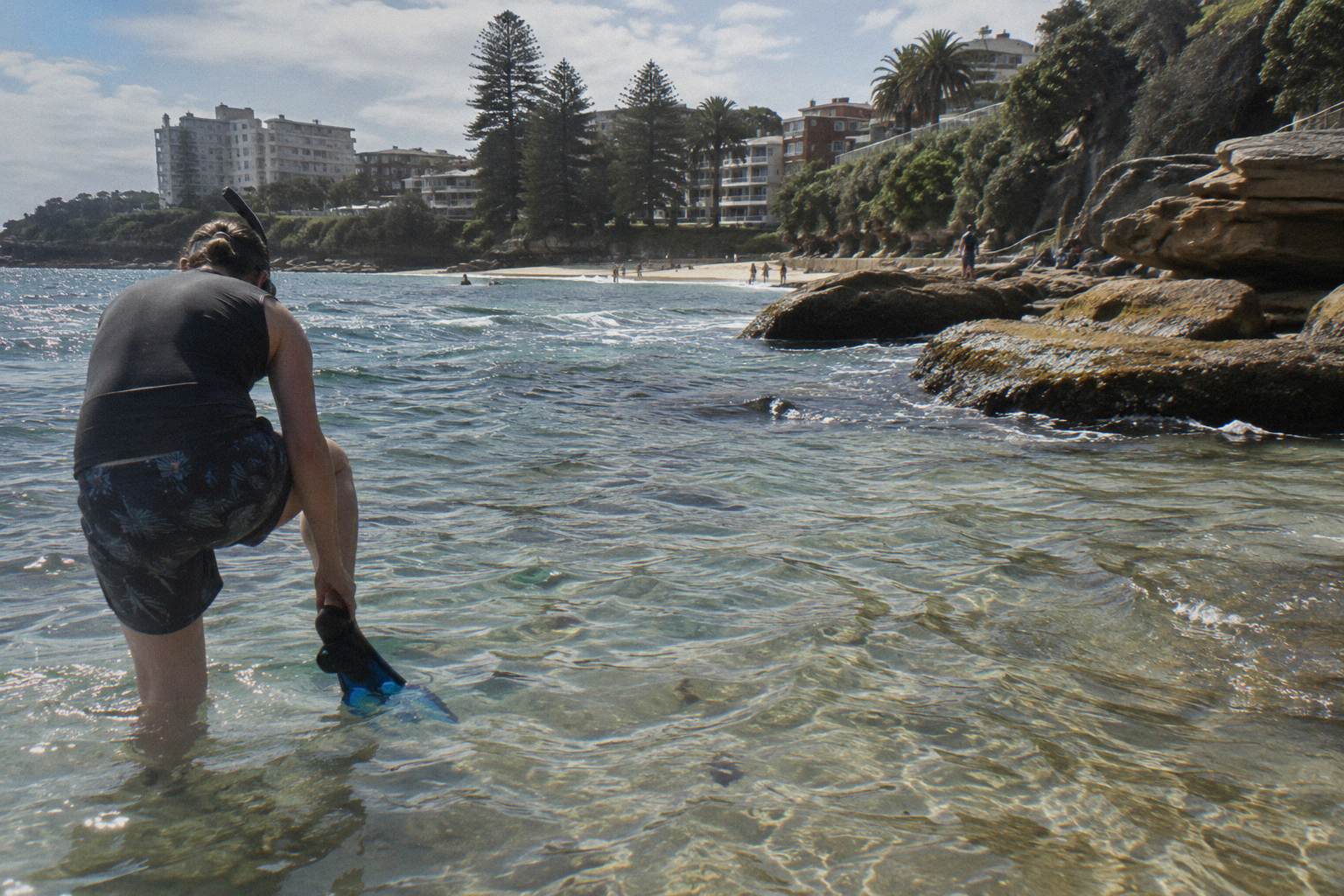
The choice between them is a personal tolerance question, and there is no verified comfort figure for Sydney water, only the temperature range and your own experience of similar conditions. What the sources do establish: the water never drops below the middle of the range even in the coldest months, and the sessions are short, about an hour in the water on the main trips. Short sessions shrink the penalty for choosing too little suit.
One thing worth knowing on the etiquette side: these tours operate in Cabbage Tree Bay, a No Take Aquatic Reserve declared in March 2002 covering about 20 hectares from the southern end of Manly Beach to the northern end of the Shelly Beach Headland, per the council's reserve page. Wetsuits and swimming are permitted activities; touching or chasing animals, feeding fish, collecting shells and moving rocks are not. Your clothing choice does not interact with those rules, but knowing them shapes what a tour in the bay is.
If you are assembling the whole kit rather than just the suit, a guided trip that includes equipment changes what you need to own or rent, which is why the wetsuit question and the gear question are usually settled together at booking.
Does The Wetsuit Question Change Which Trip Suits You?
Yes, it can, mainly through two levers: what the page includes and how long you stay in the water. A winter swimmer who wants certainty picks a trip that states its wetsuit position, while a summer swimmer who hates neoprene picks one where a rash vest or swimsuit is unremarkable. Group size, meeting point and swim standard still matter more, but equipment terms are the easiest difference to check before booking and the easiest to get wrong by assuming.
A worked comparison makes the levers concrete. A confident swimmer booking in July wants the coldest-month water handled: a page that includes wetsuits, or one that names steamer options on the day, answers that directly. A family booking in February faces the opposite question, whether full suits are even needed, and a page that includes wetsuits still lets a child decline one on the day if the water is at the warm end. A traveller who books the open-group hour without a wetsuit in February has made a defensible call; the same booking in August is the one to think twice about.
| Your situation | What to check first | Why |
|---|---|---|
| Booking in the coldest months (July, August) | Wetsuit status on the page | Water at the bottom of the 18 to 23 °C band, about an hour in the water |
| Booking in February | Whether a wetsuit is needed at all | Warmest month, at the top of the band |
| Unsure of your cold tolerance | A trip with wetsuit options on the day | Decide on the sand with the operator |
| Family with children | Included equipment lists | The Private And Family page lists wetsuits among the equipment |
| Short first session | About 1 hour trips | Less time in the water, less exposure |
| Non-swimmer in the group | Swim standard, not wetsuit | The Small Group page says non-swimmers should not book |
The dive-shop format adds one more wrinkle. The Guided Snorkel With A PADI Guide, Dive Centre Manly meets at the shop at 10 Belgrave Street, a two-minute walk from the ferry wharf, runs 2.5 hours with a group maximum of 8, from US$64 per person, and includes snorkelling equipment and a local PADI guide. Its page leaves wetsuit terms open, so the shop counter is where that question gets answered, ideally at booking. Its operator says its site is Shelly Beach, Fairy Bower or Fairlight depending on conditions, per the dive shop's own site, which is also the source for the visibility claim quoted earlier.
What Trips People Up Before A Snorkel Tour
The recurring mistakes are assuming every trip includes a wetsuit, reading one page's equipment list as if it applied to all of them, and forgetting that the coldest months need more planning than the warmest. Each page states its own wetsuit terms and nothing else's: included on one, options on the day on another, an extra on a third. Travellers who ask the operator at booking, rather than assuming on the beach, avoid all three errors.
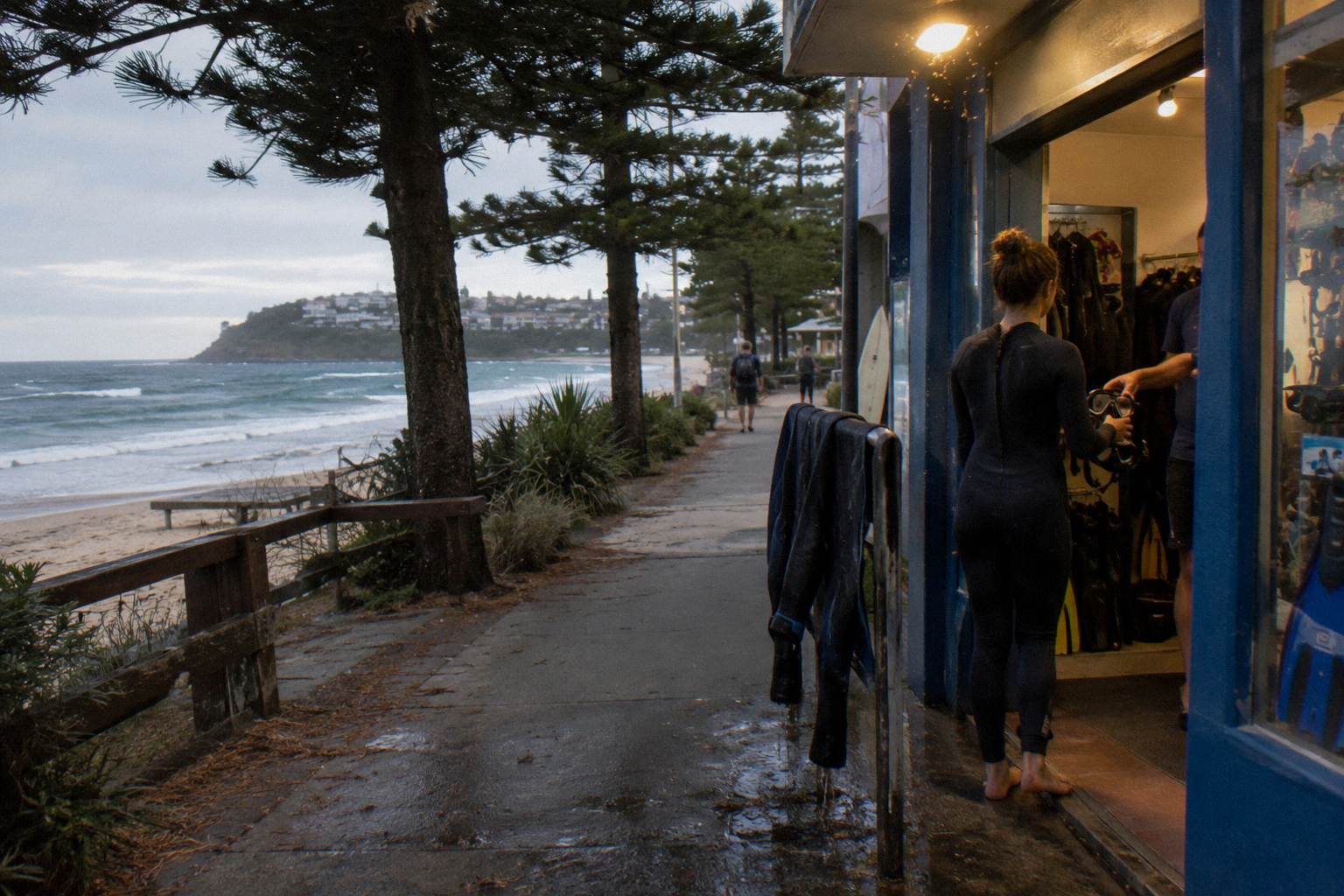
The first trap is the assumption itself. Equipment lists are per trip, and a figure or inclusion stated for one product is never a fact about another. The second trap is seasonal overconfidence in reverse: swimmers who know the water is at its warmest sometimes extend that logic to a 1-hour session in the coldest months, where the same water feels different after forty minutes. The third trap is quiet: some trips leave wetsuit terms unstated, and the correct response is a question at booking, not a guess at the shore.
A short pre-booking checklist closes all of it:
- Confirm the wetsuit position for your exact trip, in writing if possible
- Name your preference if options exist on the day: rash vest, spring suit or steamer
- Check the season against the 18 to 23 °C band and your own tolerance
- Ask what happens to equipment if the guide cancels for weather
- Reconfirm the meeting point and arrival window when you ask about gear
The Small Group page asks swimmers to arrive 5 to 10 minutes early and the open-group page asks for 15 minutes at the lifesaving pole, so gear questions are better settled before the arrival window, not during it.
If a wetsuit decision still feels open after all that, the comparison of private versus small group snorkel tours in Sydney covers the equipment angle within the wider format choice, and it is the natural next read once the suit question has narrowed your shortlist. Whatever you decide, Manly Snorkel Tours keeps every trip page's equipment terms visible so the choice is made before the sand, not on it.
Common Questions About Wetsuits On Sydney Snorkel Tours
Do I Need A Wetsuit On A Snorkel Tour In Sydney?
Not always. The water runs about 18 to 23 °C through the year, so plenty of snorkellers skip one in the warmer months and wear one in the cooler months. The trip you book also decides part of the answer: one page includes wetsuits, one offers options on the day, and one lists the wetsuit as an extra.
Which Sydney Snorkel Trips Include A Wetsuit?
The Private And Family Snorkel, EcoTreasures lists wetsuits among its included equipment. The Small Group Manly Snorkel Tour With Nature Walk offers wetsuit options on the day, per its booking page. The Shelly Beach Open Group And One-On-One Snorkel and the Clovelly Snorkel Tour Near Bondi list wetsuits or wetsuit rental as extras. Other pages leave it open, so ask the operator when booking.
How Cold Is The Water At Manly And Shelly Beach?
Approximately 18 to 23 °C through the year, cooler in the cooler months and warmer in the warmer months, per secondary sea-temperature sources. Treat these as planning figures, not a monthly forecast, and match them against how long your trip keeps you in the water, about an hour on the main trips.
Can I Rent A Wetsuit On The Day?
On the Small Group trip, the booking page says wetsuit options (rash vest, spring wetsuit, steamer) are available to use on the day. On the Shelly Beach open-group trip the wetsuit is an extra, not included. On the Clovelly trip wetsuit rental is excluded. For trips whose pages do not say, ask the operator whether hire is available before you book.
Is A Rash Vest Enough Instead Of A Wetsuit?
For many swimmers in the warmest months, yes: a rash vest plus about an hour in water near the top of the 18 to 23 °C band is a common setup. In the coldest months a full suit is the safer default. The rash vest is one of the named options on the Small Group trip, so the choice can be made with the operator on the day.
Does A Wetsuit Change The Swim Requirement?
No. The swim standard is set per trip and a wetsuit does not alter it. The Small Group page requires 150 m unassisted swimming plus floating and treading water, and says non-swimmers should not book. A wetsuit changes how warm you are while swimming, not whether the trip's swimming standard applies to you.