Sydney Water Temperature By Month For Snorkel Tours
Sea temperature off Sydney swings through a range of about 18 to 23 °C across the year, and that single range drives two decisions: when to book a snorkel tour and what suit to wear in the water.
Short answer
Sydney sea temperature runs through an approximate range of about 18 to 23 °C, warmest in late summer and coolest in winter, according to secondary temperature sources. Tours run year-round. Wetsuit status differs by trip, and marine life seasons follow the water: Port Jackson sharks in winter into spring, giant cuttlefish in autumn and winter, dusky whalers in summer into autumn.
Water temperature is the quiet variable behind almost every snorkelling decision on this coast. It decides whether a rash vest is enough or a steamer is wise, it moves some of the bigger marine life in and out of the bay, and it shapes whether a winter booking feels like a dare or a pleasure. The trips covered here run in every month of the year, so the question is never whether you can go, only what to wear and what the water is doing when you do. A good starting point is the Small Group Manly Snorkel Tour, the Manly trip with the clearest built-in answer to the suit question.
Quick Facts
| Fact | Detail |
|---|---|
| Approximate annual sea range | About 18 to 23 °C (secondary sources) |
| Warmest month | February |
| Coolest water | Winter |
| Why no month-by-month table | No verified per-month temperature table exists for this coast |
| Wetsuit status | Differs by trip: included on one, an option on another, an extra on a third |
| Species tie to temperature | Dusky whalers reported to leave when water drops below about 17 °C (Australian Museum) |
| Visibility | Varies and is not officially measured |
| Sightings | Wildlife sightings are never guaranteed (the operator's own wording) |
What Is Sydney's Sea Temperature Range Through The Year?
Sydney sea temperature moves through an approximate range of about 18 to 23 °C across the year, warmest in late summer and coolest in winter, according to secondary temperature sources. No verified month-by-month table exists for swimmers here, so treat the figures as planning ranges rather than a timetable for any given week.
The size of that swing surprises people. Twenty-three degrees sounds tropical until you have floated in it for an hour; eighteen sounds bracing until you learn that a spring wetsuit holds enough warmth to make a winter snorkel genuinely comfortable. The range is narrow by world standards, which is exactly why tours here run in every season, but it is wide enough that the same bay can feel like two different swims in late summer and in winter.
Two caveats keep the numbers useful. First, the figures come from secondary temperature sources and from a dive operator's own stated range, not from an official swimmer-facing table, so precision beyond the range would be false comfort. Second, the sea does not read the calendar: a cool current in a warm month or a warm spell in a cold one happens, and the operator assesses conditions before each tour rather than promising a set temperature.
What the range does tell you is where your planning effort should go. In the warm half, around the late summer peak, a rash vest is a reasonable starting point for most people. In the cold half, in winter, a full steamer is the sensible default and several trips make that easy. Between those poles, the choice is personal: swimmers who feel the cold will want a spring suit even in shoulder months, while others will be fine in a vest.
One more planning note: the air temperature on the wharf is a poor guide to the water. A warm autumn morning can hide sea temperatures already sliding toward the winter low, and a windy summer afternoon can sit over bath-warm water. Check the sea, not the sky, when deciding what to wear.
Does The Water Temperature Decide What Wetsuit You Wear?
What you wear matters more than the calendar, and the trips differ on how they handle it. The Small Group Manly Snorkel Tour With Nature Walk offers wetsuit options on the day, a rash vest, a spring wetsuit or a steamer, chosen with the guide. The Private And Family Snorkel, EcoTreasures, lists wetsuits among its included equipment. The Shelly Beach open-group trip lists the wetsuit as an extra, not included, so ask about hire when booking.
The wetsuit question is where the temperature range turns into a decision with a dollar sign on it. On the Small Group Manly Snorkel Tour With Nature Walk, from US$84 per person and rated 4.7 from 220+ reviews, the booking page offers wetsuit options to use on the day: a rash vest for warm water, a spring wetsuit for the shoulders of the year, and a steamer for the depth of winter. That flexibility suits a reader who is not sure yet which month they will travel.
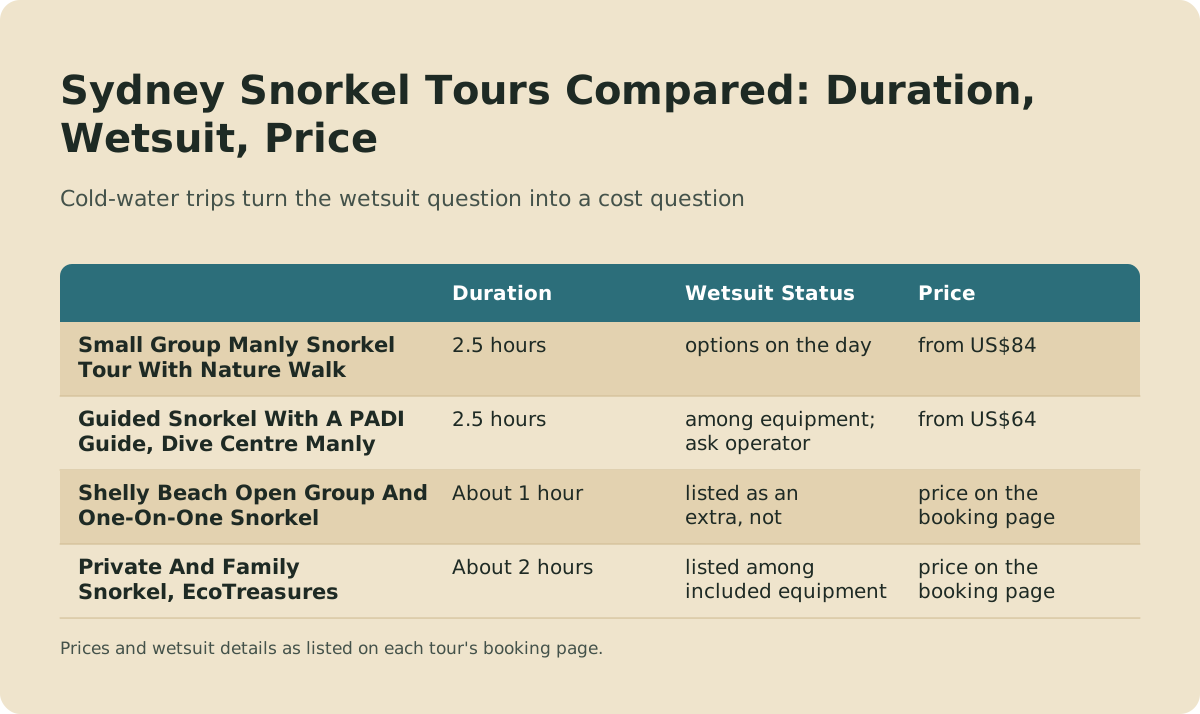
The other Manly options handle the suit differently, and the differences are worth a table rather than a paragraph.
| Trip | Duration | Wetsuit status | Price |
|---|---|---|---|
| Small Group Manly Snorkel Tour With Nature Walk | 2.5 hours | Wetsuit options on the day (rash vest, spring wetsuit, steamer) | from US$84 |
| Guided Snorkel With A PADI Guide, Dive Centre Manly | 2.5 hours | Wetsuit among equipment per the operator's own site; ask the operator | from US$64 |
| Shelly Beach Open Group And One-On-One Snorkel | About 1 hour | Wetsuit listed as an extra, not included | price on the booking page |
| Private And Family Snorkel, EcoTreasures | About 2 hours | Wetsuits listed among included equipment | price on the booking page |
Amounts above are in US dollars. Notice the pattern: none of the Manly trips hides the suit decision from you, but only one builds the full range of options into the day. If you are booking the open-group trip in July, the wetsuit exclusion matters far more than it does in February, and the time to resolve it is before you stand on the sand.
For a fuller treatment of the suit question across the whole city, the guide to whether you need a wetsuit for snorkelling in Sydney works through the same temperature range from the swimmer's side rather than the operator's.
The practical sequence for a reader deciding when to go and what to wear looks like this: pick the month first, since that sets the species odds and the likely water; then read the wetsuit line for the specific trip; then ask the operator two questions, what suit they recommend for that month and what hire costs if the suit is not included. Ask the operator about wetsuit sizing too if you are at either end of the range, because a poorly fitted suit undoes its own warmth.
Between the three Manly options above, the temperature logic is the same and the group logic differs. The open-group trip is short, about an hour, which lowers the cold-exposure stakes: an hour in 19 °C water is a different proposition from two and a half hours in it. The private family option runs about two hours but includes the wetsuit, which removes one uncertainty for parents packing for children who feel the cold faster than adults do.
Which Marine Life Seasons Follow Warm And Cold Water?
Every trip here runs year-round, but the animals beneath you change with the water. Broad patterns hold across sources: Port Jackson sharks are a winter into spring sight, giant cuttlefish an autumn and winter one, and dusky whaler sharks a summer into autumn one, according to the operator's own species list. Wildlife sightings are never guaranteed, in the operator's words, so read these seasons as shifting the odds, never as a promise.
This is where a temperature page earns its keep. The operator, EcoTreasures, keeps a species list of over 200 species for the Cabbage Tree Bay area, and its seasonal entries line up with the water: the cold months bring the sharks and the cuttlefish, the warm months bring the whalers. A conservation-area factsheet shifts some of these windows slightly, which is why only broad seasons appear here rather than month claims.
| Broad season | Sea temperature context | Species the operator lists for that window |
|---|---|---|
| Summer into autumn | The warm half, toward the late summer peak | Dusky whaler shark (operator summer into autumn), blue groper, eagle ray, maori wrasse, green turtle |
| Autumn and winter | Sliding from the peak toward the winter low | Giant cuttlefish (operator autumn and winter), wobbegong, blue groper |
| Winter into spring | The cold half, the annual low | Port Jackson shark (winter into spring), wobbegong, giant cuttlefish autumn and winter displays |
| Year-round on the list | Any month | Blue groper, crimson-banded wrasse, eagle ray |
Two species deserve a special note because a first page of search results often gets them wrong. The green turtle appears only as an item on the operator's list of species it may see, never as an expected sighting.
If a shark season is what would get you into the water, the Port Jackson shark snorkel season guide and the wobbegong and cuttlefish sightings explainer work through the cold-water months in detail. The cuttlefish window is quietly one of the best arguments for a winter booking: the operator says autumn and winter, and a dive operator describes winter breeding displays, which puts the colder water on the side of the more interesting behaviour.
The open-group trip suits the seasonal gambler on a short timetable. At about an hour in the water with a group maximum of 6, it is a low-commitment way to check a season, and its free cancellation up to 24 hours before start means a forecast that turns against you costs nothing.
Why Does 17 °C Matter For Dusky Whaler Sharks?
One species ties itself directly to the thermometer. Juvenile dusky whalers, 1 to 2 m long, are regularly sighted in the Shelly Beach and Fairy Bower area and are reported to leave when winter drops the water below about 17 °C, according to the Australian Museum. That places them in the warmer half of the year, matching the operator's summer into autumn season for the species.
This is the single most useful temperature fact on the page, because it converts an abstract range into a wildlife consequence. The bottom of Sydney's annual range, somewhere near 18 °C in winter, sits below the dusky whaler's departure line. The peak, in late summer, sits well above it. Book the warm half if that species is on your list; book the cold half if the Port Jackson sharks and cuttlefish matter more.
The Australian Museum's page on juvenile dusky sharks in Sydney is the primary source for the 17 °C departure figure, and it is worth reading for the same reason this page exists: the sea's temperature and the bay's residents are one story, not two. The operator's own window for the species and a conservation-area factsheet differ, so the broad season here is deliberately stated as summer into autumn rather than a month range.
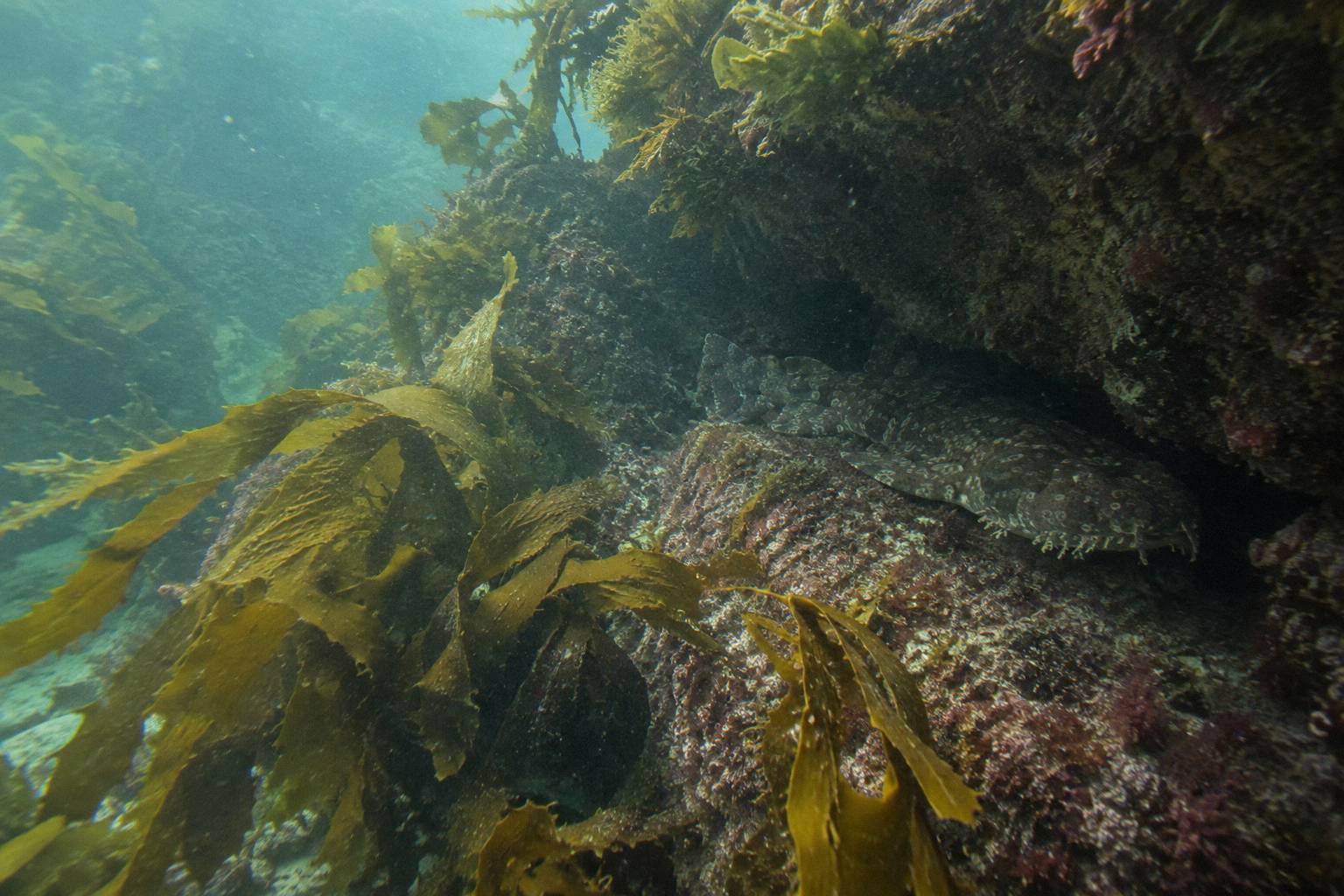
For swimmers who like their wildlife reading before their wildlife swimming, the North Head lookouts sit above the same stretch of coast and give a land-based view of the water you are about to enter, with gates open 6am to 8.30pm during daylight saving and 6am to 6pm the rest of the year.
If the warm-water season is your target, the featured small-group trip is the natural vehicle: it combines a 30-minute headland eco walk with binoculars and a 1-hour guided snorkel, and check availability shows the summer dates while they are open.
Does Water Temperature Affect Visibility?
Temperature and visibility are different questions, and confusing them leads to bad bookings. Visibility varies and is not officially measured, and no independently verified tide, swell or rainfall figure exists for this coast. Operators assess conditions before each tour rather than promising a set view, so warm water does not buy clear water.
The distinction matters because warm months carry their own visibility risks and cold months their own rewards. After heavy rain, runoff can cloud the water regardless of temperature; after sustained swell, the same. The temperature tells you what to wear and which species are likely, and the recent weather tells you what you will actually see through your mask, which is why the two questions deserve separate research.
For the second question, the post on snorkel visibility at Manly after rain and swell goes into the mechanics, and the companion piece on whether Manly weather cancels snorkel tours covers the operator's side of the same coin: the Small Group booking page says the guide can cancel for weather or too few guests, and EcoTreasures says conditions are assessed before each tour.
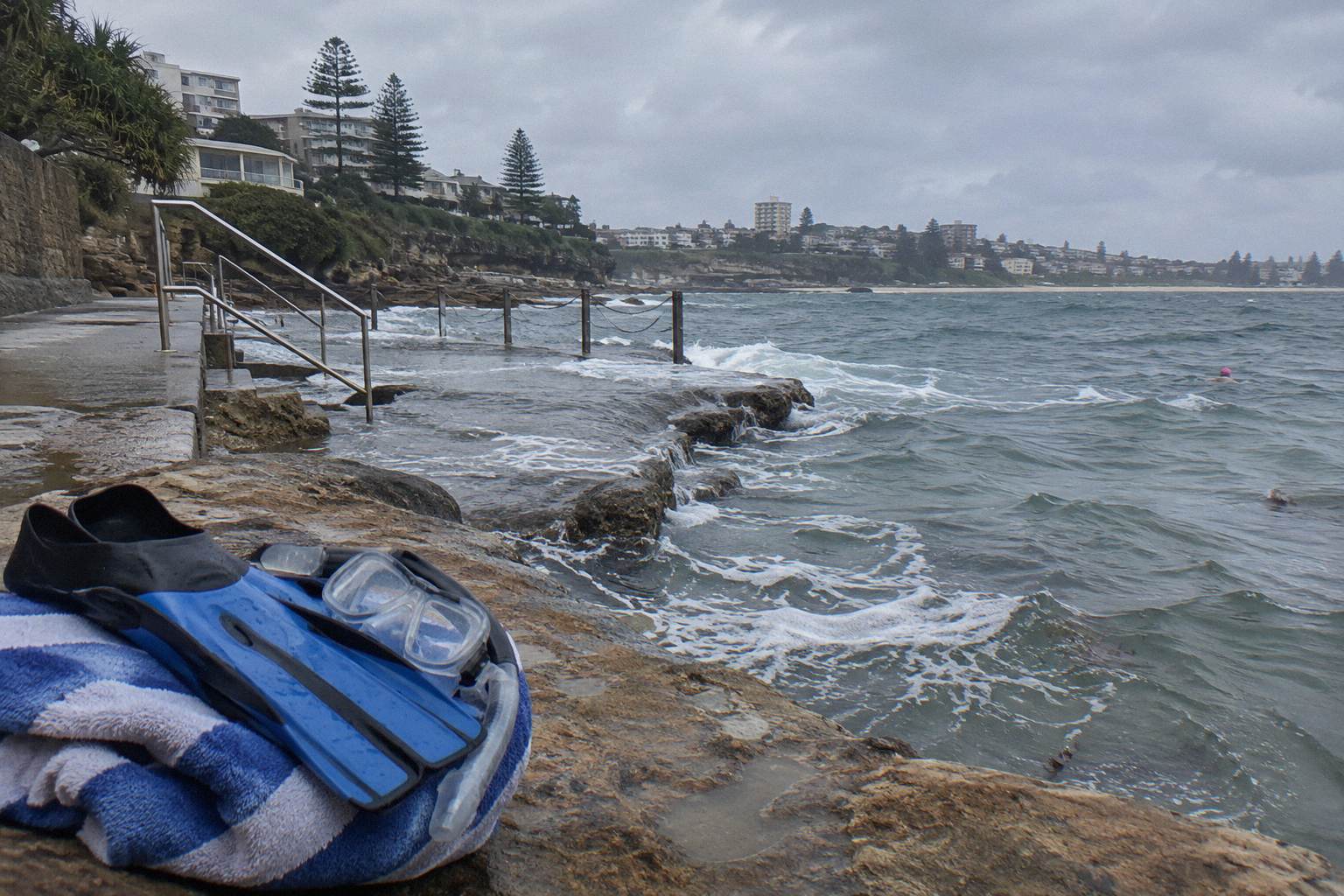
One structural fact helps the visibility story here: Cabbage Tree Bay is a No Take Aquatic Reserve declared in March 2002, covering about 20 hectares from the southern end of Manly Beach to the northern end of the Shelly Beach Headland, per the council's reserve page. The protected reef is why the bay holds over 200 listed species at all; visibility decides how many of them you spot on a given day.
For families weighing a cooler month, the private option removes two of the three seasonal risks in one booking: wetsuits are included equipment, and a private guide can pace the swim to the youngest person in the group. Price appears on the booking page, and free cancellation up to 24 hours before start applies.
Is Winter Too Cold For A Snorkel Tour In Sydney?
Cold months are still snorkel months here. Dive Centre Manly says its guided snorkel runs Monday, Friday, Saturday and Sunday year round, and EcoTreasures runs its trips through winter with wetsuit options on the day. The sea bottoms out in winter inside that approximate 18 to 23 °C range, so the suit choice, not the season, decides comfort.
Winter booking has three quiet advantages. The species table tilts toward Port Jackson sharks and cuttlefish; the crowds thin on the sand and in the water; and the wetsuit options on the small-group trip were built for exactly this half of the year. The disadvantages are real too: shorter daylight, a genuine need for a steamer, and a warmer shower waiting at the end. None of them is a reason to stay home.
The Guided Snorkel With A PADI Guide, Dive Centre Manly makes the year-round point explicit: from US$64 per person, 2.5 hours, meeting at 10 Belgrave Street, a two-minute walk from the ferry wharf, with equipment included and the operator's own site listing wetsuit and flotation among that equipment. Its maximum group is 8, the same cap as the small-group EcoTreasures trip. The full case for the cold half of the year is set out in why winter can be a good time for a Sydney snorkel tour.
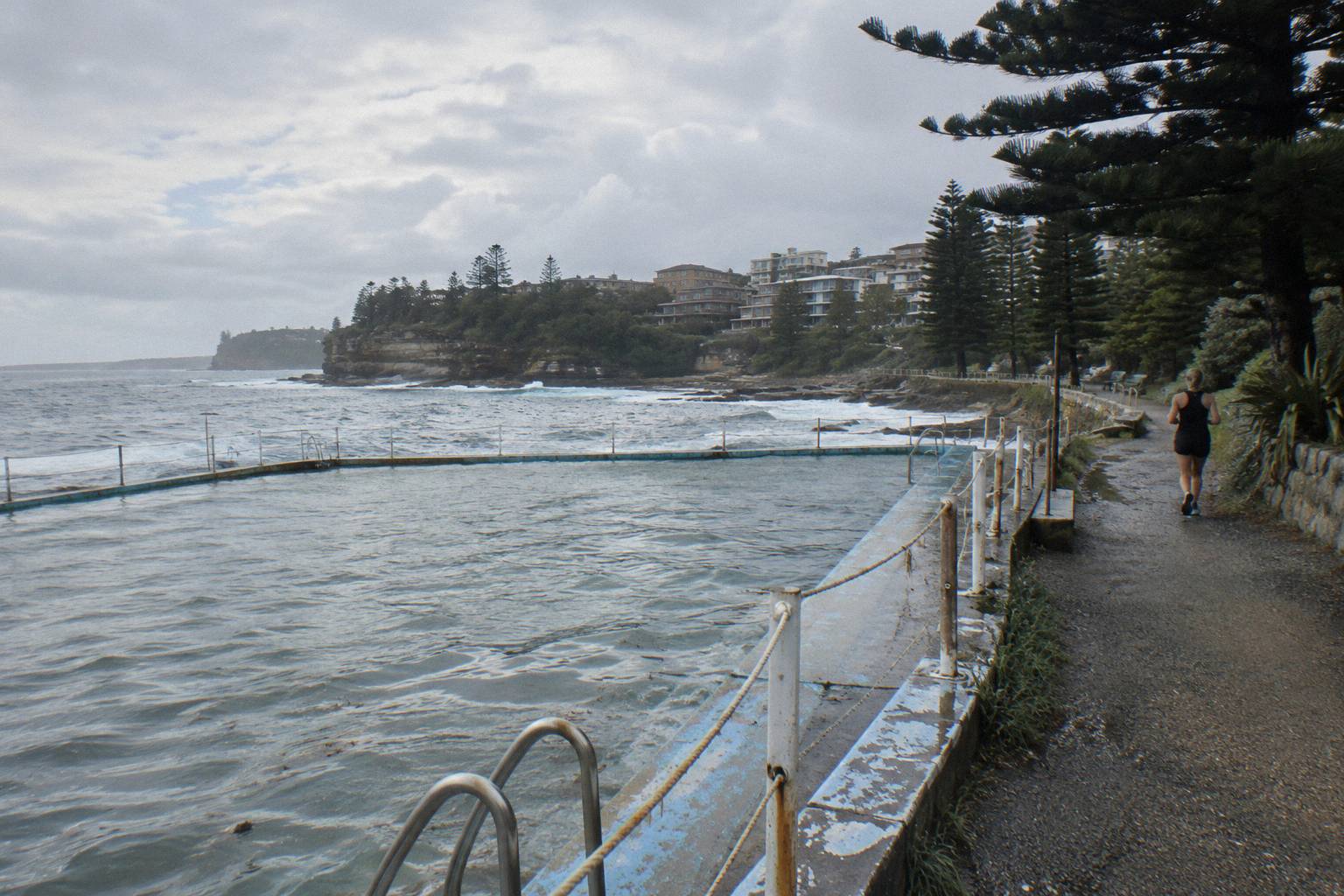
Worked through by traveller type, the season decision lands differently for different readers, and the table below matches the temperature half of the year to the trip that handles it best.
| Traveller type | Best temperature half | Trip that fits | Why |
|---|---|---|---|
| Confident swimmer chasing dusky whalers | Warm half, toward February | Small Group Manly Snorkel Tour With Nature Walk | 2.5 hours of guided time, wetsuit options on the day, species list skews to whalers in the warm season |
| Family with children who feel the cold | Either half with care | Private And Family Snorkel, EcoTreasures | Wetsuits included, private pacing, about 2 hours total |
| Short-on-time visitor testing the water | Any month | Shelly Beach Open Group And One-On-One Snorkel | About 1 hour, group maximum 6, wetsuit as an extra to arrange |
| Winter shark and cuttlefish watcher | Cold half, winter into spring window | Guided Snorkel With A PADI Guide, Dive Centre Manly | Runs Monday, Friday, Saturday and Sunday year round, from US$64, wetsuit among equipment on the operator's own site |
If getting wet in July holds no appeal at all, one companion page keeps the day on the water without the swim: the Manly Cove Kayak Tour, from US$74 and rated 4.8 from 190+ reviews, runs 2.5 hours with kayak, paddle, safety gear, snacks and a dry bag, meeting on the wharf below Manly Yacht Club. It is a kayak trip, not a snorkel trip, but it covers the same harbour from a dry seat.
What Trips People Up Before A Snorkel Tour
The recurring mistakes are packing for the air temperature instead of the sea, assuming a wetsuit is included on every trip, and treating a species season as a booking promise. Sea temperature stays inside roughly 18 to 23 °C even at its extremes, visibility varies independently of warmth, and wildlife sightings are never guaranteed. Ask the operator about wetsuit hire, swim requirements and the day's conditions before you pay.
The first mistake is the most common and the most avoidable. A 25 °C air day in late autumn can sit over 19 °C water, and a swimmer in a rash vest discovers the difference forty minutes in. The fix is mechanical: plan from the sea range in this guide, not the weather app's land figure, and default one suit level warmer than you think you need.
The second mistake is assuming the suit situation is uniform. It is not, as the table earlier shows: included on the private family trip, an option on the small-group trip, an extra on the open-group trip. Resolve it at booking time, in writing, including the hire cost where the suit is excluded, because standing on the sand is the worst possible place to negotiate for the last steamer.
The third mistake is treating the seasons table as a contract. The operator's own wording is that wildlife sightings are never guaranteed, and the plain version of seasonal planning is that a winter booking shifts the odds toward Port Jackson sharks rather than purchasing them. A reader who books the cooler months for cuttlefish and accepts whatever else the bay offers will have a better morning than one who books summer into autumn for whalers and counts disappointments.
Two smaller stumbles round out the list. Arriving without the swim requirement in mind causes trouble on the small-group trip, which requires 150 m unassisted plus floating and treading water, and states that non-swimmers should not book. And forgetting the early-arrival note costs calm at the start: 5 to 10 minutes before the start on the small-group trip, 15 minutes at the lifesaving pole on the open-group trip. Ask the operator about each of these when booking and the day starts on the sand, not on the back foot.
The through-line of every decision above is that the water, not the weather, sets the terms, and Manly Snorkel Tours covers the trips that run on those terms in every month of the year.
Common Questions About Sydney Water Temperature
What Is The Water Temperature In Sydney For Snorkelling?
About 18 to 23 °C through the year, according to secondary temperature sources, warmest in late summer and coolest in winter. No verified per-month table exists, so treat the range as a planning guide and ask the operator what the water has been doing in the week before your booking.
Do I Need A Wetsuit For Snorkelling In Sydney?
It depends on the month and the trip. The small-group trip offers wetsuit options on the day (rash vest, spring wetsuit or steamer), the private family trip includes wetsuits among its equipment, and the open-group trip lists the wetsuit as an extra. Most swimmers will want at least a spring suit in the colder half of the year.
Which Month Is The Warmest For Snorkelling In Sydney?
The sea is warmest in late summer within the approximate 18 to 23 °C range. The warm half of the year is also the broad season, summer into autumn, for dusky whaler sharks in the Shelly Beach and Fairy Bower area per the operator's list. Wildlife sightings are never guaranteed.
Is Winter Too Cold To Snorkel At Manly?
No, with the right suit. Tours run year-round: Dive Centre Manly runs its guided snorkel Monday, Friday, Saturday and Sunday year round, and EcoTreasures runs its trips through winter with wetsuit options on the day. The sea is coolest in winter, so a steamer is the sensible default.
Does Water Temperature Change What Marine Life You See?
Yes, in broad strokes. Port Jackson sharks are a winter into spring sight, giant cuttlefish an autumn and winter one, and dusky whalers a summer into autumn one, per the operator's species list. Dusky whalers are reported to leave the area when water drops below about 17 °C, per the Australian Museum. Sightings are never guaranteed.
Does Warmer Water Mean Better Visibility?
Not necessarily. Visibility and temperature are separate: visibility varies and is not officially measured, and recent rain and swell affect it regardless of warmth. Operators assess conditions before each tour. Conditions on the day matter more than any forecast, so ask the operator about water clarity and swell when you book.