Shelly Beach Sharks: Are Snorkel Tours Safe?
Shelly Beach sits inside Cabbage Tree Bay, a no-take aquatic reserve where juvenile dusky whalers, Port Jackson sharks and wobbegongs are all on the local species list. Here is what the sources actually say about those sharks, the other hazards named for the beach, and what a guided tour does before anyone gets in the water.
Short answer
The species a snorkeller may encounter at Shelly Beach include Port Jackson sharks in winter into spring, wobbegongs, and juvenile dusky whalers 1 to 2 m long in summer into autumn. The beach safety service lists sharks, bluebottles and rips as hazards. Tours add a guide, a stated swim standard and a conditions check before each departure, and wildlife sightings are never guaranteed.
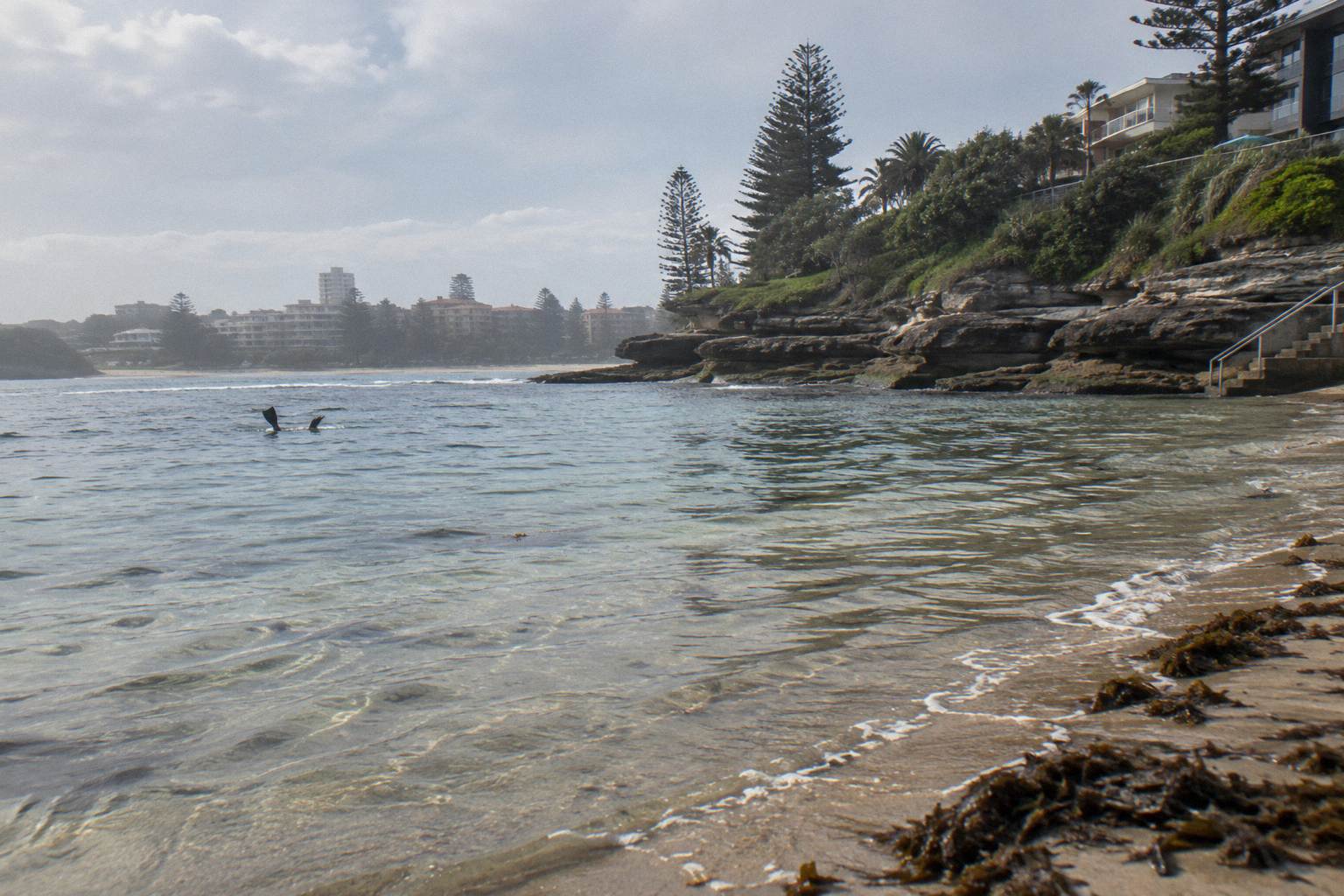
Shelly Beach sits at the head of Cabbage Tree Bay, a no-take aquatic reserve declared in March 2002, and the sharks that live there are a big part of why people book a guided small-group snorkel trip in Manly rather than swimming out alone. A nervous reader usually has three separate worries bundled together: which sharks are actually in the bay, what else the water can throw at a swimmer, and whether a tour adds anything that matters. Those are three different questions with three different sources, and the sections below take them one at a time.
Quick Facts
| Fact | Detail |
|---|---|
| Sharks on the local operator's list | Blue Groper (a fish), Port Jackson Shark, Wobbegong, Dusky Whaler Shark |
| Dusky whaler detail | Juveniles 1 to 2 m long, regularly sighted in the Shelly Beach and Fairy Bower area (Australian Museum) |
| Dusky whaler season | Summer into autumn; reported to leave when the water drops below about 17 °C |
| Port Jackson shark season | Winter into spring (the operator's window is the same broad season) |
| Hazards listed for Shelly Beach | Sharks, bluebottles and rips (Beachsafe) |
| Patrol window | Shelly Beach patrolled 21 December to 31 January 2027 (council); Manly Beach patrolled year-round |
| Swim standard on the Small Group trip | 150 m unassisted, float and tread water; non-swimmers should not book |
| Tour-side checks | Conditions assessed before each tour (EcoTreasures); guide can cancel for weather or too few guests |
What Sharks May Be Seen At Shelly Beach?
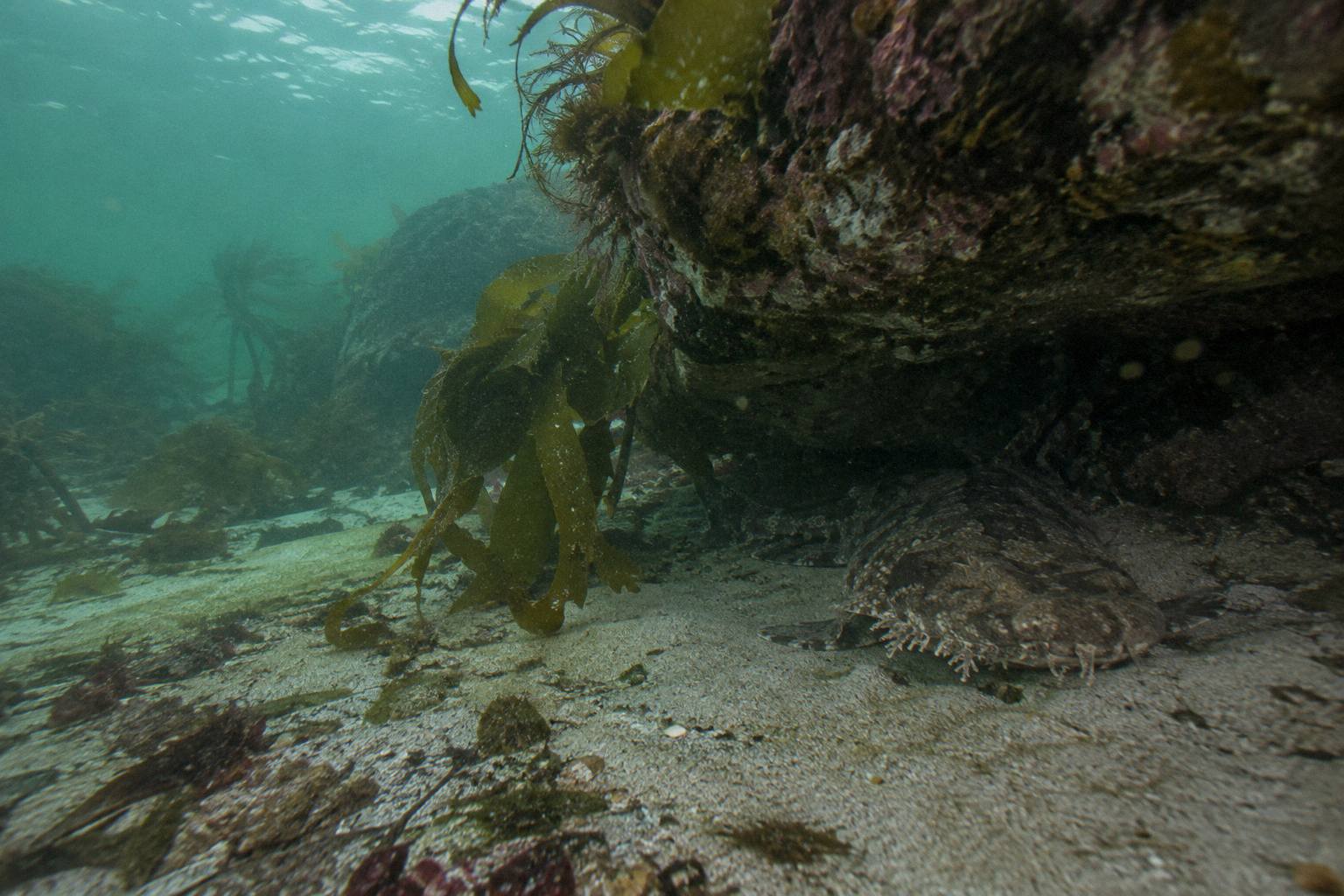
Three kinds of shark appear on the local operator's own species list for Cabbage Tree Bay: the Port Jackson shark, the wobbegong, and the dusky whaler shark. All of them are may-be-seen animals, and the operator's own wording is that wildlife sightings are never guaranteed. The bay holds over 200 species by the operator's count, most of them fish, rays and cuttlefish rather than sharks.
The operator behind the Small Group Manly Snorkel Tour With Nature Walk, EcoTreasures, publishes its species list for the bay, and the shark entries carry their own broad seasons. Port Jackson sharks run winter into spring by the operator's calendar. Wobbegongs sit on the list with no season attached. Dusky whalers are listed for summer into autumn.
The dusky whaler entry deserves its own explanation, because it is the one people have read about. The Australian Museum's page on juvenile dusky sharks in Sydney records that juveniles 1 to 2 m long are regularly sighted in the Shelly Beach and Fairy Bower area, and that they are reported to leave the area in winter when the water temperature drops below about 17 °C. A conservation-area factsheet gives a slightly different window, January to April, which is why the sensible phrasing is a broad season, summer into autumn.
Port Jackson sharks and wobbegongs are the other two, and the museum's pages on the Port Jackson shark and the wobbegong describe both as bottom-dwelling species of temperate Australian waters. Neither is a promise, a sighting rate or a behaviour claim; they are simply what the bay's own species list contains. If the shark question is really a what else is in the water question, the fuller answer is in the marine life you may see on a Shelly Beach snorkel tour, which covers the wrasse, eagle rays, cuttlefish and green turtle entries on the same list.
What Hazards Are Listed For Shelly Beach?
The beach safety service Beachsafe lists three hazards for Shelly Beach: sharks, bluebottles and rips. The same entry notes the beach faces west and swell is refracted round Blue Fish Point so waves are low. Patrols are the council's answer on the supervision side: Shelly Beach will be patrolled from 21 December to 31 January 2027 under a peak-summer arrangement, and outside that window the beach is unpatrolled, while Manly Beach is patrolled year-round.
Listing a hazard is not the same as rating a beach: the Beachsafe entry gives no verdicts, it just names what swimmers there should know about. Bluebottles are the entry most visitors actually meet, and Beachsafe describes them as common in warmer months, with no month range attached. Its published first aid sequence is practical: rinse with seawater, remove tentacles, then hot water for 20 minutes. Rips complete the list, and the low-wave note about the westerly aspect and Blue Fish Point is the context the same entry gives.
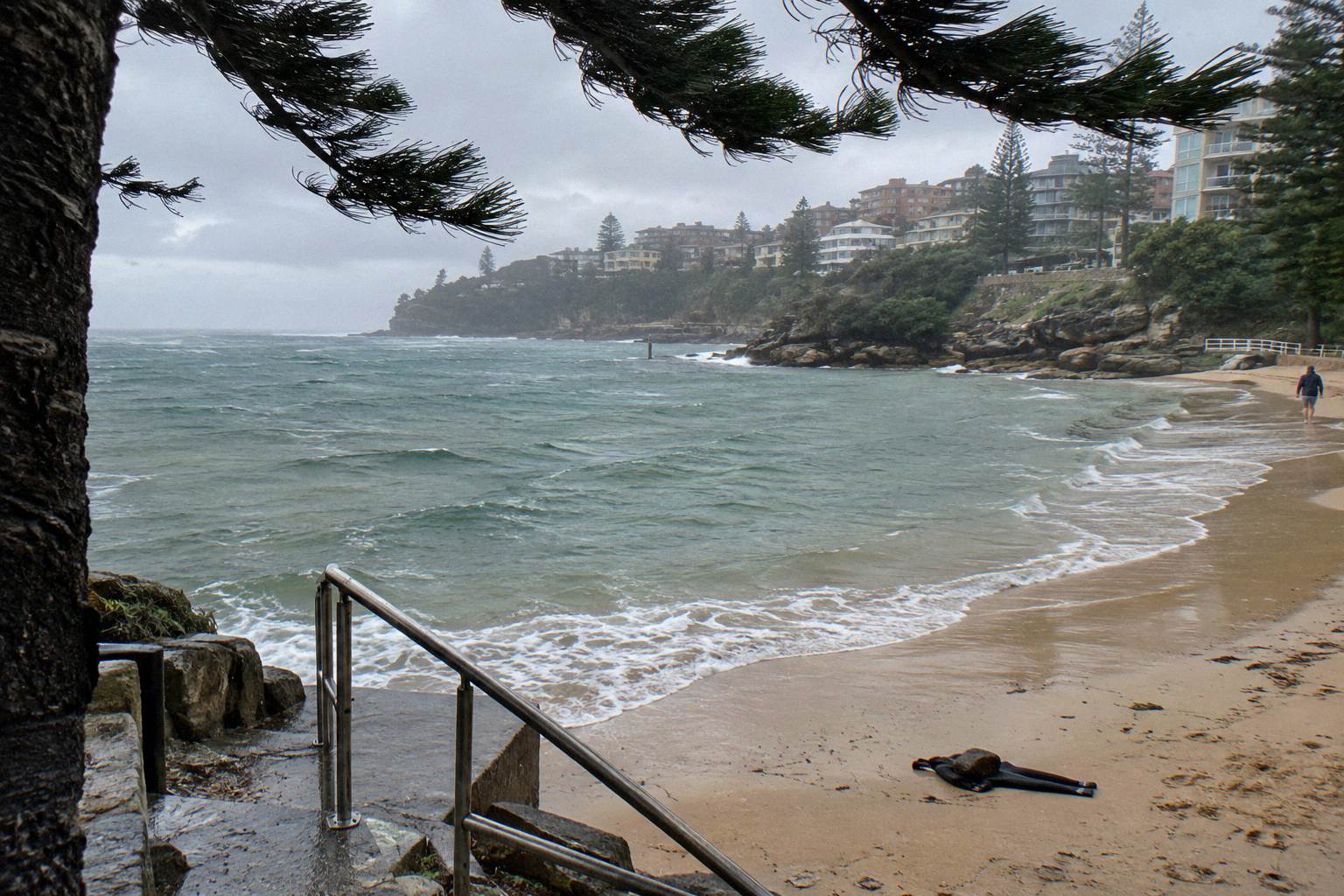
The patrol picture comes from the council. The council's media release on the 2026/27 beach patrols states Shelly Beach will be patrolled from 21 December to 31 January 2027, described as a first under peak-summer funding. Outside that window, Shelly Beach is unpatrolled; it is not a lifeguarded beach for most of the year. Manly Beach, a flat and scenic 30-minute walk away by the operator's description, is patrolled year-round per the council's beaches page.
| Hazard named | What the source says |
|---|---|
| Sharks | Listed by Beachsafe among Shelly Beach's hazards; species on the operator's list per the seasons above |
| Bluebottles | Listed by Beachsafe; described as common in warmer months, no month range given |
| Rips | Listed by Beachsafe among the beach's hazards |
| Waves | Low, because the beach faces west and swell is refracted round Blue Fish Point (Beachsafe wording) |
| Patrol | 21 December to 31 January 2027 only at Shelly Beach (council); Manly Beach patrolled year-round |
This is exactly the gap a guided trip fills for a nervous swimmer. A tour brings a guide into the water and a decision-making process onto the beach that exists whether or not any flags are flying.
Three of the trips covered here illustrate the range. The Shelly Beach Open Group And One-On-One Snorkel runs about an hour with a guide, gear included and a group capped at six, wetsuit listed as an extra. The Guided Snorkel With A PADI Guide, Dive Centre Manly runs 2.5 hours from a dive shop two minutes off the ferry wharf, from US$64. The Small Group Manly Snorkel Tour With Nature Walk, rated 4.7 from 220+ reviews, pairs a 30-minute headland eco walk with binoculars and a 1-hour snorkel, from US$84. Amounts here are in US dollars.
What A Guide And A Swim Test Cover On A Tour?
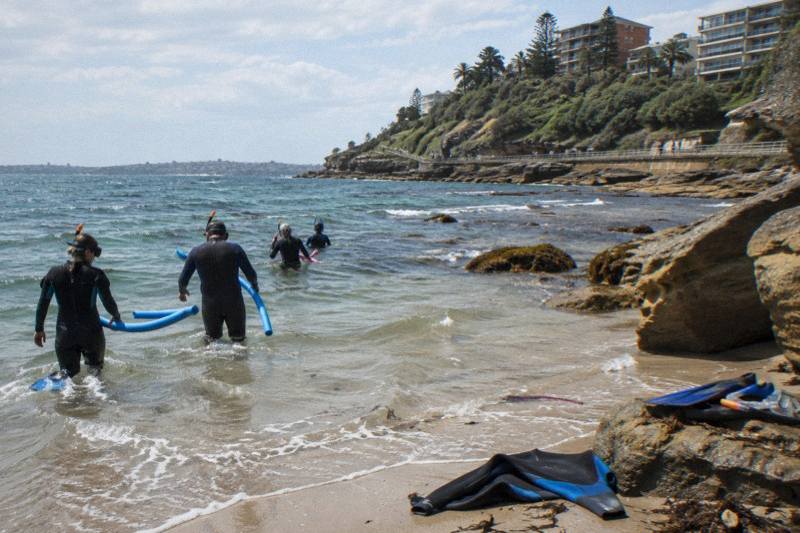
A guided snorkel at Shelly Beach comes with three stated layers that a solo swim does not: a guide in the water, a swim standard checked before the group goes out, and a conditions assessment made before each tour. On the Small Group trip the standard is specific, a 150 m unassisted swim plus floating and treading water, and the booking page states the guide can cancel for weather or too few guests. None of that promises conditions or sightings.
The swim test is the part nervous readers underestimate. The Small Group Manly Snorkel Tour With Nature Walk requires all participants to swim 150 m unassisted, float and tread water, and its booking page says plainly that non-swimmers should not book. There is a swim test at the start of the trip. The operator's own site sets the same standard in its own words, 150 m freestyle unassisted, and asks ages 8 to 14 to bring one adult per two children. If the question behind the shark question is whether you are capable of this, the answer is a competence question, not a wildlife question, and the guide on do you need to swim to join a snorkel tour sets out how each trip treats it.
The conditions assessment is the operator's stated practice: EcoTreasures says conditions are assessed before each tour, and the Small Group booking page says the guide can cancel for weather or too few guests. Free cancellation up to 24 hours before start is stated on the booking pages for the trips covered here, with one exception on the adjacent Bondi side, the Private Bondi And Gordons Bay Snorkel, which is non-refundable and cannot be changed. Weather and cancellation sit together, and the blog post on whether Manly weather cancels snorkel tours works through the timing.
| Layer | Where it comes from | What it does |
|---|---|---|
| Guide in the water | Every Manly trip's booking page lists a guide or local PADI guide | Company and direction in the water, in place of a patrol |
| Swim standard | Small Group trip: 150 m unassisted, float, tread water; swim test at the start | Confirms each swimmer can handle the water time |
| Conditions assessment | EcoTreasures states conditions are assessed before each tour | Trip goes ahead or not on the day's conditions |
| Guide cancellation | Small Group booking page: cancel for weather or too few guests | A built-in stop for a bad day |
| Flotation | Small Group includes foam floating noodles; private trip includes wetsuits | Floating aid and warmth as stated inclusions |
What the gear list adds is flotation. The Small Group trip includes mask, fins and foam floating noodles, with wetsuit options (a rash vest, spring wetsuit or steamer) available to use on the day per the booking page. The Private And Family Snorkel lists wetsuits among its included equipment. The open-group trip lists the wetsuit as an excluded extra. A noodle is not a life jacket and no trip here sells itself as one, but it is a real floating aid for a swimmer who tires, and the wetsuit question has its own page in the wetsuit guide for Sydney snorkelling.
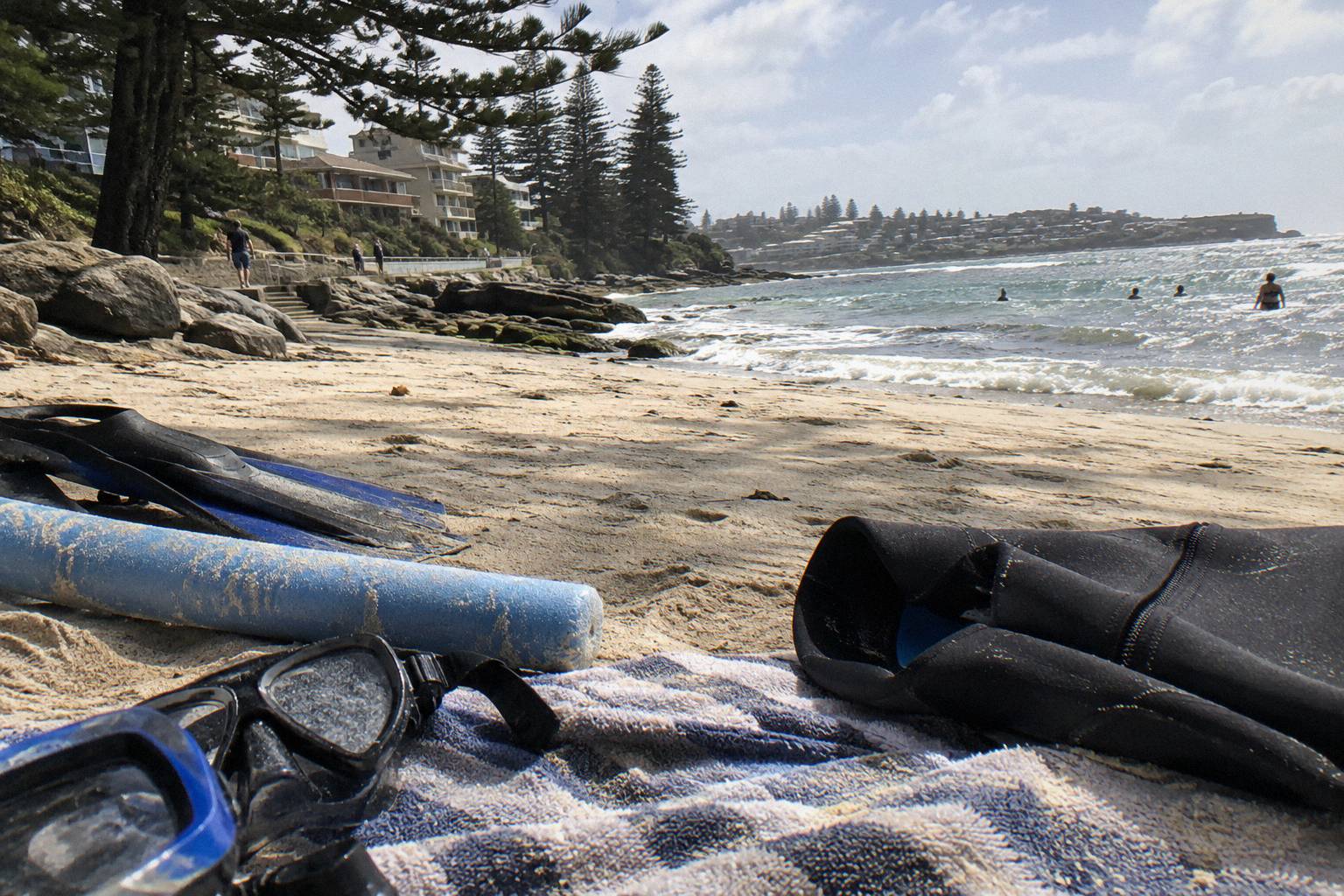
For a nervous first-timer who wants the smallest possible group, the Shelly Beach open group and one-on-one snorkel runs about one hour with a guide and gear included, priced on the booking page, and the Private And Family Snorkel, EcoTreasures runs about two hours with a local guide, a safety brief, all equipment including wetsuits, and free photos.
Which Snorkel Trip Suits A Nervous Swimmer?
Match the trip to the swimmer, not to the sharks. A confident swimmer who wants structure suits the Small Group Manly Snorkel Tour With Nature Walk, from US$84, maximum 8 guests, with its 150 m swim standard. A swimmer who wants the smallest group suits the open-group trip, capped at 6, or the private option. Someone who wants a dive-shop setting with a PADI guide suits the Dive Centre Manly trip, from US$64.
Start with the sorting question: can the swimmer cover 150 m unassisted and float? If yes, every Manly trip on the page is open to discussion. If no, the Small Group booking page says it directly, non-swimmers should not book, and the private option is the one to raise with the operator, since its swim expectation is a question to ask when booking rather than a published standard. The full index of guides sits on Manly Snorkel Tours.
Group size is the second lever. The open-group trip caps at 6 and runs about an hour, the shortest commitment of the three, which matters for a swimmer who is not sure they will last longer. The Small Group trip caps at 8 and splits its 2.5 hours between a dry headland walk and an hour in the water, so the first half-hour is spent on land with binoculars learning what lives in the bay before anyone gets wet. The Dive Centre Manly trip also caps at 8 and includes snorkelling equipment and a local PADI guide; its booking page carries free cancellation up to 24 hours, so the decision is reversible.
| Trip | Group max | Duration | Swim standard | Price basis |
|---|---|---|---|---|
| Small Group Manly Snorkel Tour With Nature Walk | 8 | 2.5 hours | 150 m unassisted, float, tread water | From US$84 |
| Guided Snorkel With A PADI Guide, Dive Centre Manly | 8 | 2.5 hours | Ask the operator | From US$64 |
| Shelly Beach Open Group And One-On-One Snorkel | 6 | About 1 hour | Ask the operator | Price on the booking page |
| Private And Family Snorkel, EcoTreasures | Ask the operator | About 2 hours | Ask the operator | Price on the booking page |
A nervous booker can also compare with the post on whether a first timer should snorkel Shelly Beach without a guide, which weighs the same choice from the independent side, and the guide to private versus small group snorkel tours in Sydney, which works the same decision in more depth.
For a swimmer who wants the headland walk first, the Small Group trip pairs the eco walk with the snorkel, and you can check availability before committing a date.
When Do Shark Seasons Run At Cabbage Tree Bay?
Broad seasons, shown as broad seasons because the sources disagree: Port Jackson sharks winter into spring, giant cuttlefish autumn and winter, and dusky whalers summer into autumn. The operator's own windows differ from a conservation-area factsheet, which shifts both shark windows, so month-level precision is not supportable.
The disagreement matters for planning. If the operator and a conservation factsheet give different windows for the same bay, the print should be the overlap in plain words, winter into spring. The same logic applies to dusky whalers: the operator and the factsheet differ, the museum adds a temperature trigger, and the result is summer into autumn. A snorkeller who wants to avoid the dusky whaler window books winter, and one who wants it books late summer; a snorkeller who wants Port Jacksons does the reverse.
| Species | Broad season | Source windows |
|---|---|---|
| Port Jackson shark | Winter into spring | Operator and factsheet sources differ, both within winter into spring |
| Dusky whaler shark | Summer into autumn | Operator and factsheet sources differ, both within summer into autumn |
| Wobbegong | No season printed | Listed by the operator, with no window given |
| Giant cuttlefish | Autumn and winter | Operator says autumn and winter; a dive operator says year-round with winter breeding displays |
| Blue groper, wrasse, eagle ray, green turtle | No season printed | On the operator's list, may always be seen |
Two things season planning cannot do: promise an animal, or move one. The operator's own line is that wildlife sightings are never guaranteed, and the blue groper, the fish most snorkellers actually meet, is on the list year-round with no season attached. The timing question is covered more fully in the best time of day to snorkel Shelly Beach, and the temperature backdrop, about 18 to 23 °C across the year with the sea warmest in late summer and coolest in winter, sits in the Sydney water temperature guide for snorkel tours.
The season question also has a visibility half. Visibility varies and is not officially measured, and rain and swell change it; the post on snorkel visibility at Manly after rain and swell covers what that means for a booking.
What Do The Reserve Rules Ask Of Snorkellers?
Cabbage Tree Bay is a no-take aquatic reserve, and the rules change how a snorkeller behaves around every animal in it, sharks included. No fishing by any method, no harming marine animals or plants, no collecting anything dead or alive including empty shells, no touching, chasing, moving or disturbing animals, no feeding fish, no moving rocks. Swimming, snorkelling, diving, surfing, underwater photography and tours with operators are all permitted.
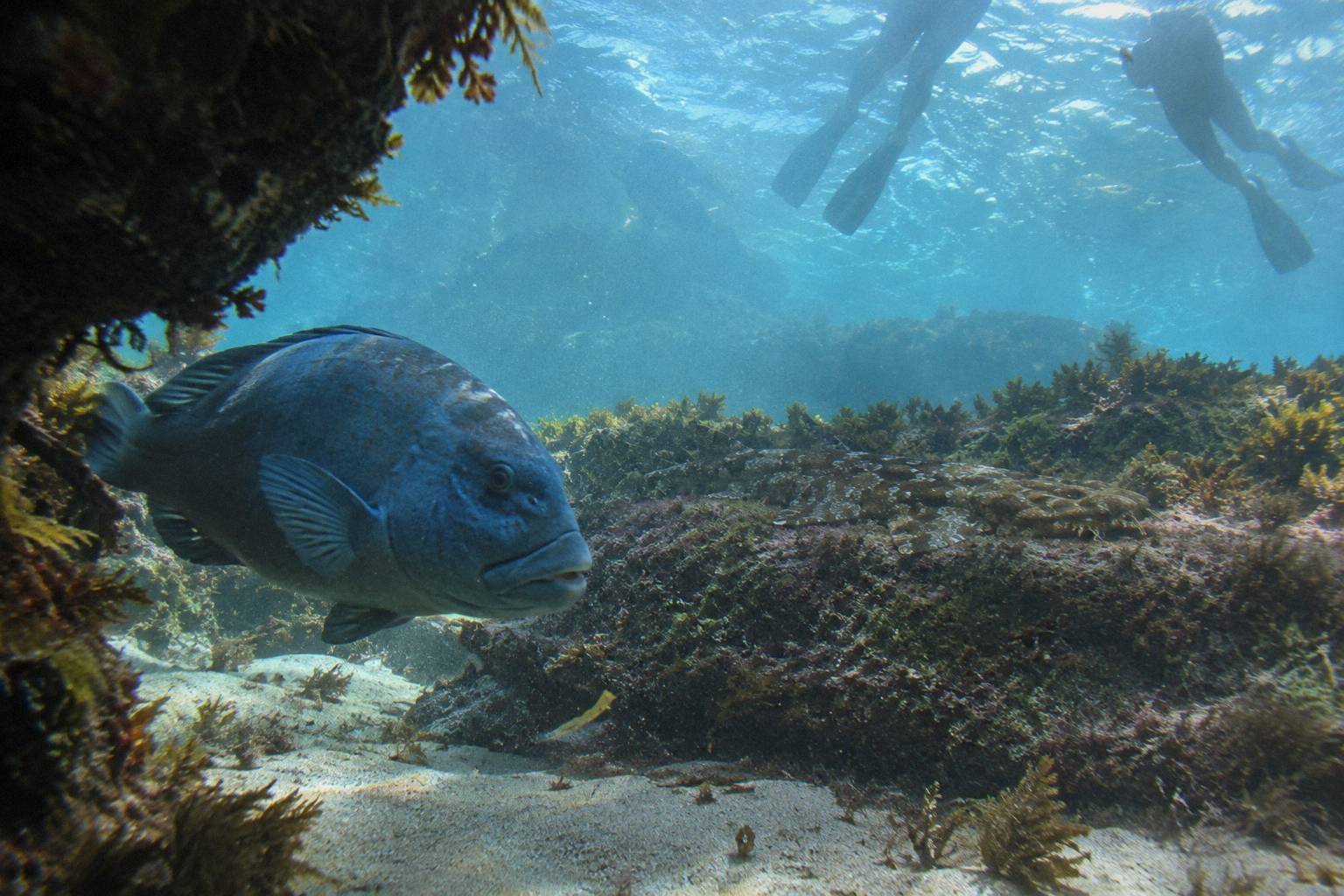
For a shark-worried reader the rules cut one way that is genuinely reassuring: a tour group in this bay operates under a look-and-leave-alone code, and feeding or chumming fish, the practices that change animal behaviour elsewhere, are banned outright. No trip here baits the water. Snorkellers swim through a bay where the animals are not being attracted to anyone.
The reserve covers about 20 hectares by the council's figure, the entire bay from the southern end of Manly Beach to the northern end of the Shelly Beach Headland, and was declared in March 2002. The blue groper that dominates the species list is the NSW state fish, with a spearfishing ban dating to 1969, a commercial fishing ban since 1980, and a recreational line-fishing ban from 2024 extended to March 2028 per the state government. EcoTreasures describes it as near-threatened in its own words. The full rules, and the practical version of them for a snorkel day, are in the guide to Cabbage Tree Bay reserve rules for snorkel tours.
One boundary worth knowing: the Manly little penguin colony is an endangered population whose habitat is an Area of Outstanding Biodiversity Value, no trip visits it, Store Beach is not a snorkel stop, and the penguin planning guide explains how to treat that area respectfully.
What Trips People Up Before A Snorkel Tour
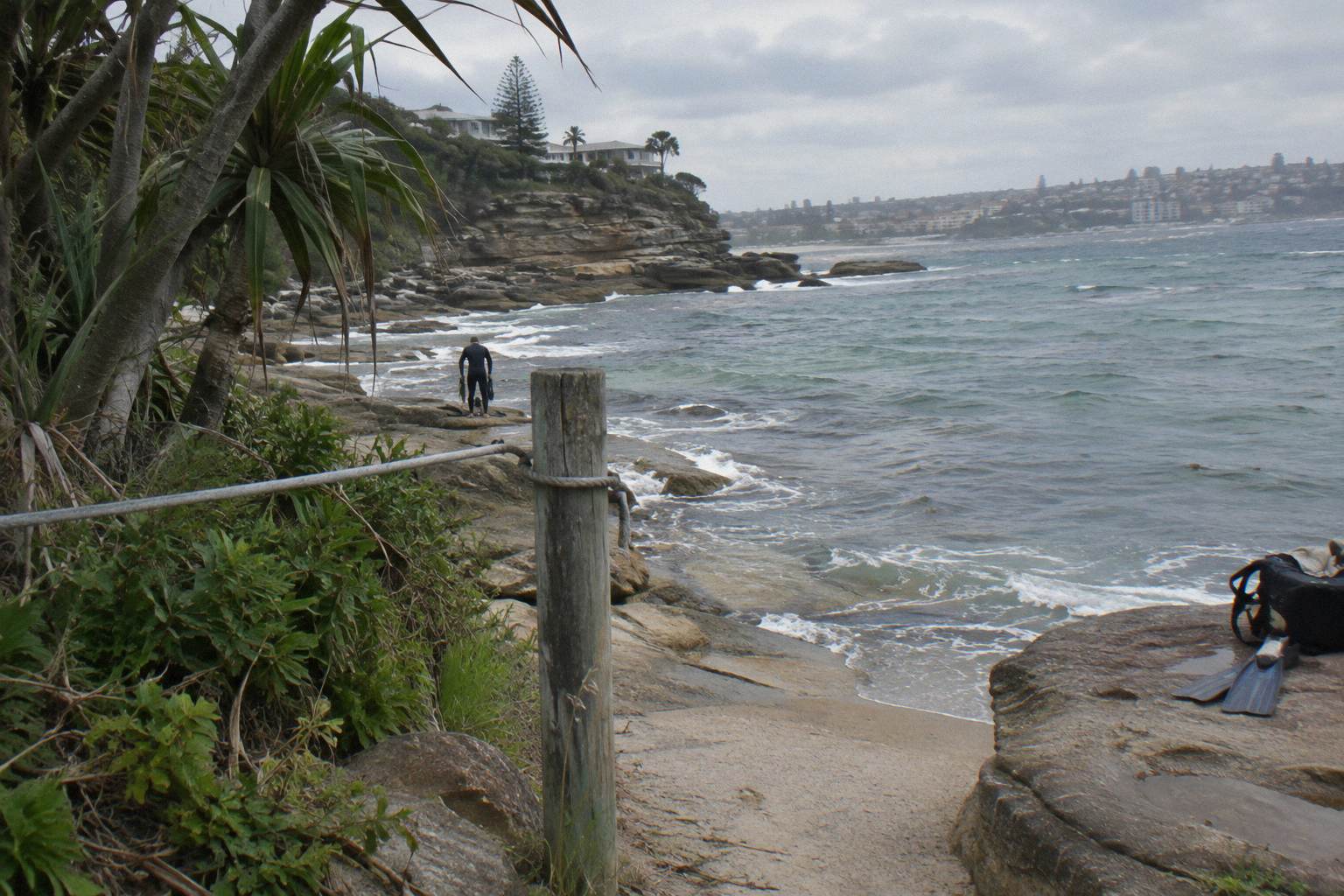
Three avoidable mistakes cause most of the trouble: booking a trip above the swimmer's real ability, arriving without time to spare, and treating an unpatrolled beach like a patrolled one. The Small Group trip asks for 150 m unassisted plus floating, and its page says non-swimmers should not book; the open-group trip asks arrivals up to 15 minutes early at the lifesaving pole; and outside 21 December to 31 January 2027 Shelly Beach has no patrol.
The first mistake is optimism about swimming. A pool lap is not an ocean 150 m, and the swim test at the start of the Small Group trip is a real gate, not a formality. A swimmer who is unsure should pick the shortest water time, the about-one-hour open-group trip, and say so when booking. Ask the operator what swimming standard each trip expects; where a page does not set one, the operator still will.
The second is timing. The Small Group page asks for arrival 5 to 10 minutes early at Shelly Beach in front of the Boat House Cafe; the open-group trip asks up to 15 minutes early beside the yellow-red solar lifesaving pole. From the Manly ferry wharf, allow the flat and scenic 30-minute walk the operator describes, and if driving, parking at Shelly Beach is limited enough that the operator warns of 30 minutes or more to find a park. The ferry itself runs about 20 to 30 minutes from Circular Quay, covered in the how to reach Shelly Beach by ferry guide.
The third is assuming supervision. Shelly Beach is unpatrolled outside the council's summer window, and a swimmer heading out independently early on an April morning has nobody watching but their own group. That is the single strongest argument a nervous reader should weigh when choosing between a guided trip and going alone, and the checklist of what a guide actually adds is worth reading before deciding.
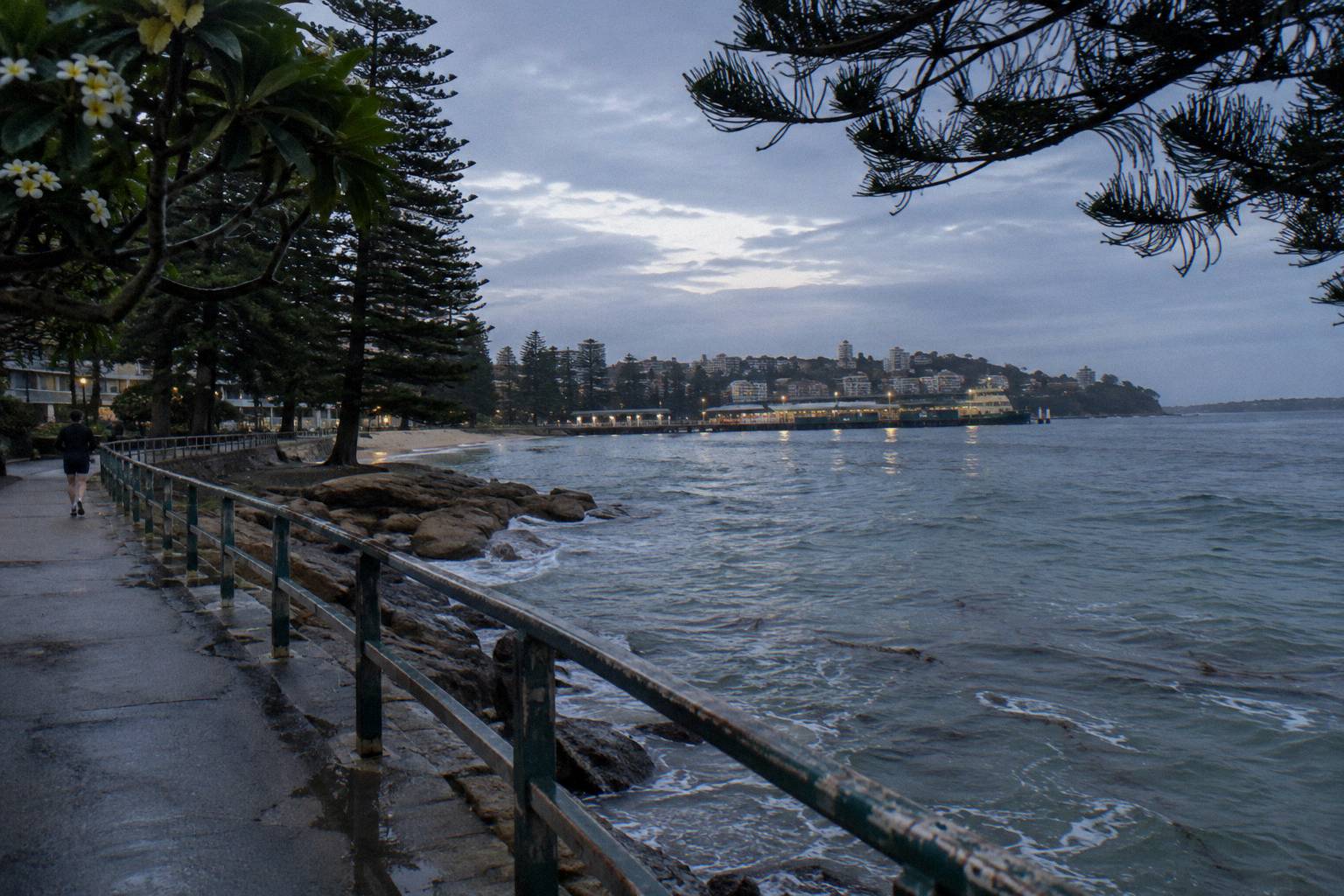
For a swimmer who wants a dive shop behind the day, the Guided Snorkel With A PADI Guide, Dive Centre Manly meets at 10 Belgrave Street, a two-minute walk from the ferry wharf, includes equipment and a local PADI guide, and runs from US$64.
For a family or a pair who want the water to themselves, the Private And Family Snorkel, EcoTreasures runs about two hours with a guide, safety brief, all gear including wetsuits and free photos.
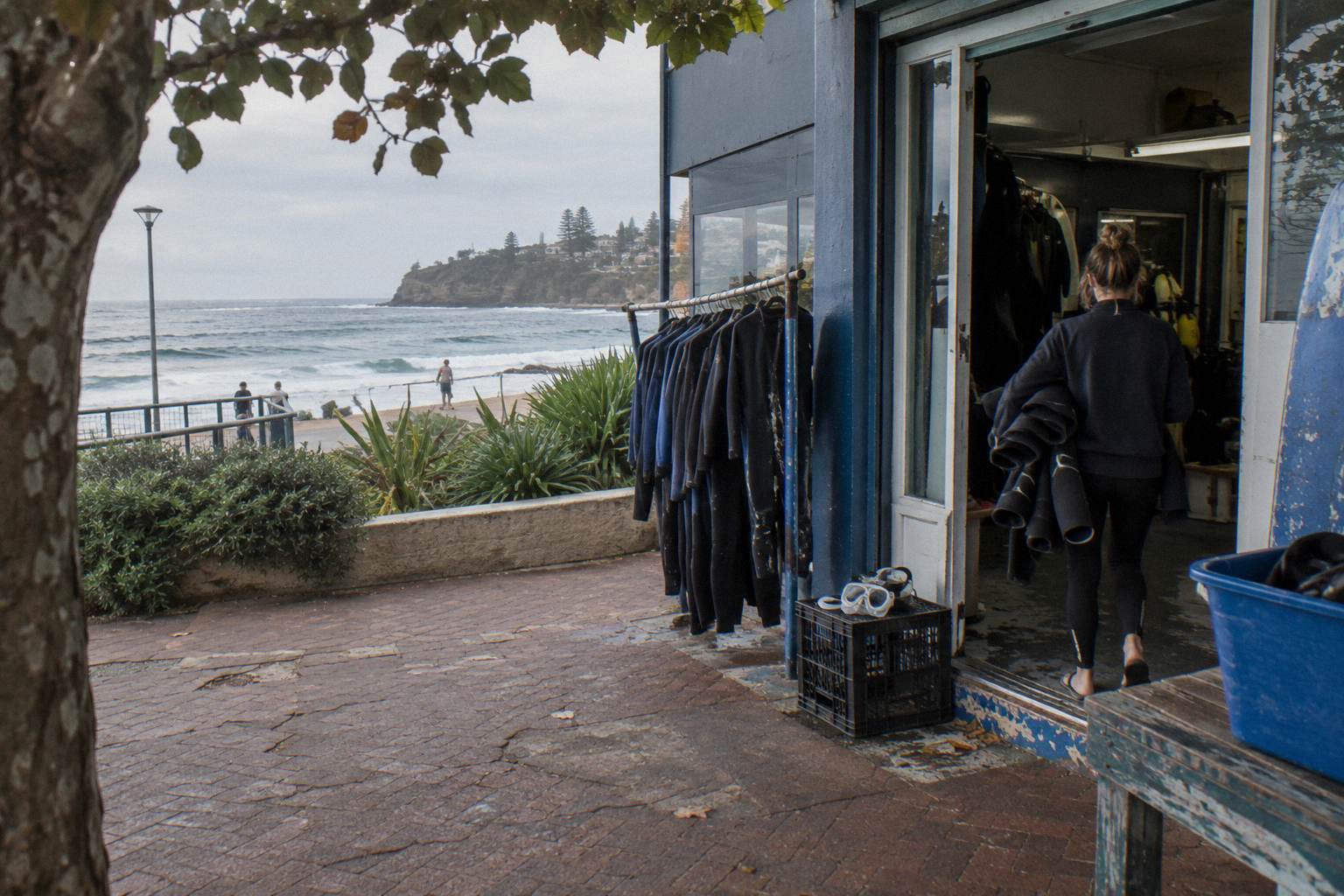
Manly Snorkel Tours covers the other decision pages too: what each trip includes, what gear to bring, and how the bay's seasons run.
Common Questions About Shelly Beach Sharks And Snorkel Tours
Are There Sharks At Shelly Beach?
Yes, three kinds appear on the local operator's species list for Cabbage Tree Bay: Port Jackson sharks (winter into spring), wobbegongs, and dusky whaler sharks (summer into autumn). The Australian Museum records juvenile dusky whalers 1 to 2 m long as regularly sighted in the Shelly Beach and Fairy Bower area. All sightings are may-be-seen; the operator's own wording is that wildlife sightings are never guaranteed.
Are Snorkel Tours Safe At Shelly Beach?
There is no verdict to print, only the sources: Beachsafe lists sharks, bluebottles and rips as the beach's hazards and notes waves are low because the beach faces west and swell refracts round Blue Fish Point. The council patrols the beach only from 21 December to 31 January 2027. Tours add a guide, a stated swim standard and a conditions assessment before each trip, and the guide can cancel for weather or too few guests.
Is Shelly Beach Patrolled By Lifeguards?
Only inside a summer window. The council's media release states Shelly Beach will be patrolled from 21 December to 31 January 2027, described as a first under peak-summer funding. Outside those dates the beach is unpatrolled. Manly Beach, about a 30-minute flat and scenic walk away, is patrolled year-round per the council's beaches page.
What Is The Swim Test On The Small Group Tour?
The Small Group Manly Snorkel Tour With Nature Walk requires all participants to swim 150 m unassisted, float and tread water, and its booking page says non-swimmers should not book. A swim test is run at the start of the trip. The operator's own site uses the same standard, 150 m freestyle unassisted, and asks one adult per two children for ages 8 to 14.
When Do Dusky Whalers Leave Shelly Beach?
The Australian Museum reports juvenile dusky whalers leave the area in winter when the water temperature drops below about 17 °C, giving a broad season of summer into autumn. The operator's window and a conservation-area factsheet differ, so only the broad season is printable, not a month.
Can A Tour Be Cancelled For Weather?
Yes, on the Small Group trip the booking page states the guide can cancel for weather or too few guests, and EcoTreasures says conditions are assessed before each tour. Free cancellation up to 24 hours before start is stated on the booking pages of the trips covered here; the Private Bondi And Gordons Bay Snorkel, an adjacent-page trip, is non-refundable and cannot be changed.